
Dundalk Simon Community says small dip in homeless figures no cause for celebration

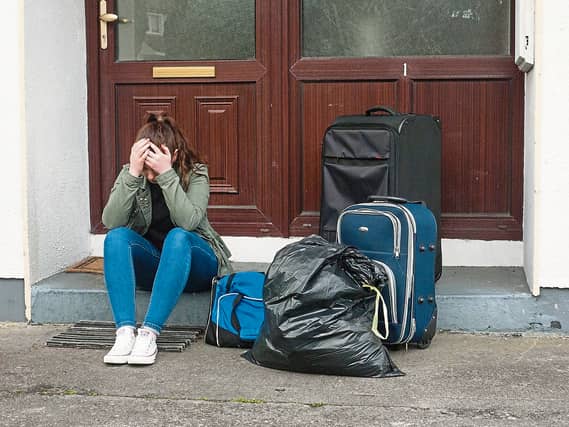

Seasonal reductions around Christmas have historically been followed by increases in the new year
Dundalk Simon Community has said that the small dip in homeless figures reported by the Department of Housing, Local Government and Heritage for December, which included 155 adults in the North East region, down from 188 in November, "is far from a cause for celebration", and that "seasonal reductions around Christmas have historically been followed by increases in the new year".
Commenting on the slight fall in numbers, Dundalk Simon Community said that the dip "is unlikely to signal a lasting improvement and does little to reflect the complex realities driving homelessness in Ireland".
Catherine Kenny, CEO of Dundalk Simon Community, said: “Again we see in Decembers figure a slight reduction due to the Christmas period. Homelessness is driven by a range of overlapping factors — from financial pressure and rising living costs to health challenges, family breakdown, domestic violence, trauma and addiction. A short-term dip does not change the reality that thousands of people remain without a safe, secure place to call home.”
"Recent years have shown a consistent pattern, with numbers falling slightly between November and December as some people find temporary alternatives over the Christmas period, before rising again early in the new year.
“This is the third year in a row we have seen a decrease at this point in the year, only for numbers to rise again in January and continue climbing. Month-to-month fluctuations should not distract from the urgent need for sustained, long-term solutions that reflect the complexity of people’s lives.”
"Regardless of minor changes in the latest data, 16,734 people remain in emergency accommodation nationwide — a level that remains wholly unacceptable."
Ms Kenny continued: “These figures remind us that homelessness is not one-dimensional. People arrive at homelessness through many different pathways, and effective responses must be just as varied. Addressing this crisis requires coordinated action across housing, health and social supports, with a clear focus on prevention and long-term stability.”
"One clear example of this complexity is the growing number of older people experiencing homelessness. The number of people aged over 65 in emergency accommodation has risen steadily over the past four years, increasing from 123 in 2020 to 270 in 2025 — a rise of approximately 120% in a short period of time. This trend highlights the urgent need for age-appropriate, tailored accommodation and support.”
She added, “We have a dedicated high-support long-term accommodation service for over-55s who are exiting homelessness called Riversdale. It plays a vital role within our wider homelessness services, recognising that older people often enter homelessness with complex health, care and support needs.
"With 24-hour support, individualised care plans and regular on-site visits from our Primary Care Nursing Team, Riversdale provides safety, dignity and a sense of home after long periods of uncertainty. People come to live there for many reasons — including financial pressure or declining health. While we are immensely proud of the work done at Riversdale, it is clear that more age-friendly housing like this is urgently needed.
"This is just one example of how homelessness requires a complex, joined-up response, because people’s experiences — and the pathways that lead them into homelessness — are rarely simple.
Dundalk Simon Community is calling on Government and local authorities to:
-
prioritise immediate housing allocations for long-term emergency residents;
-
accelerate the delivery of social and affordable homes in line with the national strategy;
-
introduce a coordinated, cross-departmental framework to tackle homelessness as the multi-layered crisis it is.
To support Dundalk Simon's work or to learn more, visit www.dundalksimon.ie/