
HIQA inspection finds overcrowding and staffing shortfalls at Louth hospital

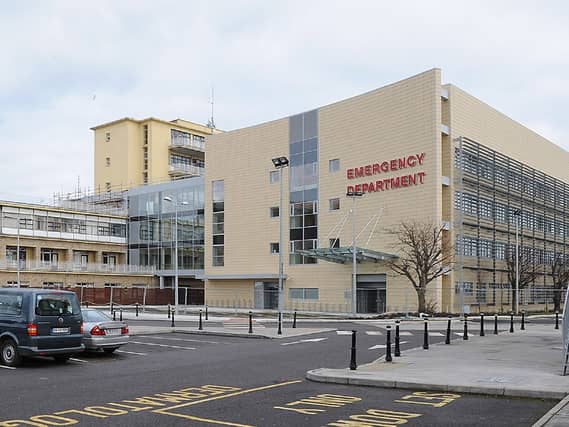

The inspection found a patient over the age of 75 had been waiting for over 24 hours
An unannounced inspection by the Health Information and Quality Authority (HIQA) at Our Lady of Lourdes Hospital in Louth has revealed overcrowding and staffing challenges in its Emergency Department (ED).
The inspection, which assessed the hospital against four national standards, found the hospital to be "substantially compliant" in one area and "partially compliant" in the remaining three.
While the hospital has clear lines of responsibility and accountability for the governance of unscheduled and emergency care, overcrowding remains a significant issue. At the time of the inspection, 87 patients were registered in the ED—well over its planned capacity. This resulted in extended waiting times and patients spending more time in the ED than recommended.
At 11am on one of the inspection days it was found that:
- 47% (41) of patients present in the emergency department were in the department for more than six hours after registration.
- 42% (37) of patients present in the emergency department were in the department for more than nine hours after registration.
- 1.2% (1) of patients present in the emergency department were in the department for more than 24 hours after registration.
- 60% (6 of 10) of the patients 75 years or over were in the department for more than nine hours after registration.
- 10% (1 of 10) of the patients in the department aged 75 years and over had been in the department for over 24 hours.
The report noted that: “The hospital’s emergency department had performed poorly in comparison to other model 3 hospitals for 24 hour breaches for all attendees and nine hour breaches for people 75 years of age and over in year to date data.
“The average duration of time a patient spent in the hospital’s emergency department year to date 2024 was 9.5 hours. This was the second highest of all model 3 hospitals.”
Although triage times met national targets set by the HSE’s emergency medicine programme, the hospital struggled to meet targets for discharging or admitting patients within six to nine hours.
This was attributed to a shortage of available beds, causing admitted patients to be held in the ED, as well as the acute medical and surgical assessment units, hindering the proper functioning of these areas.
The inspection noted that hospital management is actively working to manage staffing and maintain a high standard of care, but unfilled medical positions in the ED posed additional challenges. Staff were committed to respecting patient dignity and privacy, but the presence of 19 admitted patients in the ED further complicated efforts to uphold these standards.
HIQA called for the hospital to prioritise improvements, as outlined in its compliance plan, to address the identified deficits and ensure better conditions for patients and staff alike.
In a statment released on the release of the report, HIQA said:
“HIQA carried out an unannounced inspection of the ED of Our Lady of Lourdes Hospital and found the hospital to be substantially compliant in one standard and partially compliant in three of the four national standards monitored.
“The hospital had arrangements in place with defined lines of responsibility and accountability for the governance and management of unscheduled and emergency care at the hospital.
“However, the hospital’s ED was overcrowded relative to its planned capacity with 87 patients registered in the ED, resulting in increased patient experience time. Time taken to triage patients were in line with targets recommended by the HSE’s emergency medicine programme.
"On the first day of inspection, the patient wait time and the average length of stay for medical and surgical patients were in line with national targets, and there were no patients awaiting transfer of care from the hospital on the day of inspection.
“Hospital performance was not in line with PETs for the percentage of attendees in the ED who should be discharged or admitted within six and nine hours. There was a mismatch between the demand for beds and hospital capacity, with admitted patients continuing to be accommodated in the ED, the acute medical assessment unit and the acute surgical assessment unit, which impacted the effective running of these units.
“The hospital management was planning, organising and managing their nursing and medical workforce in the ED to support the provision of high-quality, safe healthcare. However, there were unfilled medical posts in the ED at the time of inspection.
“Hospital management and staff were aware of the need to respect and promote the dignity, privacy and autonomy of people receiving care in the ED. However, the accommodation of 19 admitted patients in the ED on the day of inspection, impacted on the meaningful promotion of the patients’ dignity, privacy and autonomy.
“Work to progress improvements as outlined in the compliance plan submitted to HIQA should be progressed to address the deficits found.”