
Louth County Council refused almost a quarter of all planning applications in 2021

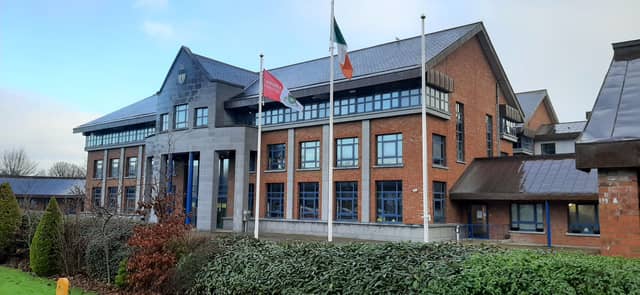

Almost a quarter of all planning applications made in Louth in 2021 were refused according to the Office of the Planning Regulator’s annual report published last week.
The report reviews key trends and outputs over the year in the wider planning system in Ireland. It includes a comparison with patterns in previous years and is the only analysis of its kind of the Irish planning system.
The report also identifies and makes observations on some of the key trends which reflect Ireland’s and each local authority’s planning performance in 2021. It includes key statistics and indicators relating to Louth Council.
Some of the key findings in the report relating to Louth County Council are:
- The planning invalidation rate (the percentage of invalidated planning applications as a proportion of all applications made) in Co Louth decreased from 18.3% om 2020 to 15.9% in 2021;
- In Louth in 2021, 77% of all planning applications were granted permission while 23% were refused. The national average grant-rate in 2021 was 88.5%;
- In total, there were 893 planning applications approved and 272 refused by Louth County Council in 2021;
- Overall in 2021, 5.8% of planning application decisions made by Louth County Council were appealed to An Bord Pleanála. Of these, 26.1% were reversed. The national average rate of appeal in 2021 was 6.7%, the average reversal rate was 27.7%;
- Louth County Council had a total of 178 sites designated by local authorities as either vacant and/or derelict. This contrasts with the CSO figure for the county of 3,952.
Commenting on these findings, Planning Regulator, Niall Cussen said:
“2021 was a year in which local authorities such as Louth County Council continued to deliver key statutory planning functions within strict timelines and in an operational environment that was challenging due to public health restrictions imposed as a result of the Covid pandemic.
It is a great credit to the planning process in general that high levels of throughput in handling planning applications and appeals continued despite the pressures.
While core planning functions continue to experience high volumes of activity, more is also being asked of local authorities.
2021 was also a year of very significant activity by local authorities in starting to implement funding streams aimed at securing urban and rural regeneration. However, a critical function to such investment will require concerted action on vacant and derelict buildings.
While core planning functions continue to experience high volumes of activity, more is also being asked of local authorities.”
The OPR was established in April 2019 on foot of recommendations made by the Tribunal of Inquiry into Certain Planning Matters and Payments (the Mahon Tribunal).
Its purpose is to oversee the continuous enhancement of Ireland’s planning process and its outcomes by driving the co-ordination of planning policy implementation across national, regional and local levels, building a stronger knowledge base and ensuring regular reviews of the performance of planning authorities and An Bord Pleanála.