
New car sales rebound in Louth with hybrids and EVs leading the way


Society of the Irish Motor Industry (SIMI) releases its official 251 new vehicle registration statistics for March
New car registrations rebounded in Louth in March following a fall in February, along with a huge rise in electric vehicles (EVs) and plug-in electric hybrids being registered in the county in the first three months of this year, according to the latest figures released by the Society of the Irish Motor Industry (SIMI).
According to the SIMI official 251 new vehicle registration statistics for March, 359 new cars were registered in Louth last month. It is a 24.2% increase on the 289 registered in the county in March 2024, and came after a February which had seen a fall compared to the same period last year.
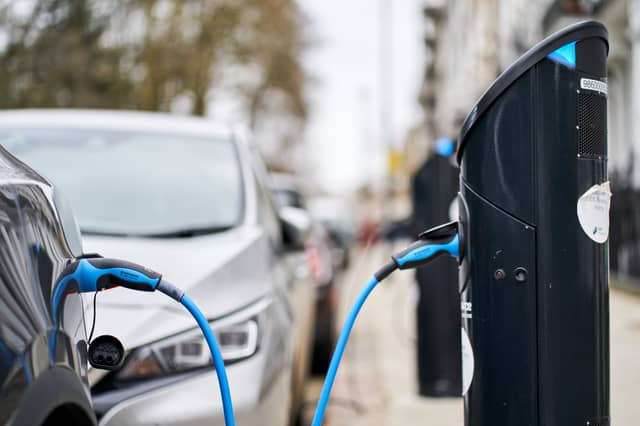
So far this year, 1,522 new cars have been registered in Louth, up 5.3% on the 1,446 registered in the first three months of last year. There has been a huge increase this year in the number of EVs, hybrids, and plug-in electric hybrids registered in Louth, but also a significant fall in both petrol and diesel cars.
153 new petrol/plug-in electric hybrid cars have been registered in Louth so far this year, up 82.1% on the 84 registered in the first three months of last year. There was a 40.8% rise in the number of EVs registered in the first three months of this year in Louth compared to 2024, with 245 units registered compared to 174 in the first three months of last year.
Petrol electric hybrid registrations also increased significantly in Louth in the first three months of 2025, with 429 registered, compared with 343 in the first three months of 2024, representing a rise of 25.1%.
There was a fall however in the number of diesel cars, and perhaps more significantly, petrol cars registered in Louth so far this year. 464 new petrol cars were registered in the first three months of this year in Louth, compared to 551 in the first three months of 2024, representing a fall of 15.8%. Diesel car registrations fell by 19.8% in the same period, with 223 registered this year, compared to 278 in the first three months of 2024.
Nationally, new car registrations for March were up 18.4% (17,345) when compared to March 2024 (14,644). Registrations for the year to date are up 4% (64,824) on the same period last year (62,498).
In March 2,544 new electric cars were registered, which was 29% higher than the 1,980 registrations in March 2024. So far this year, 9,978 new electric cars have been registered representing a 25.8% increase compared to the same period in 2024 when 7,929 electric cars were registered.
In the new car market share by engine type for 2025, Petrol cars continue to lead the new car market at 27.85%, followed by Hybrid (Petrol Electric) at 24.28%, Diesel at 16.73%, Electric at 15.39%, and Plug-in Electric Hybrid at 14.14%.
Light Commercial Vehicles (LCV) declined by 10.2% (3,940) compared to March last year (4,388). Year to date LCVs are down 13% (13,352). Heavy Goods Vehicles (HGVs) registrations are down 21.2% (275) in comparison to March 2024 (349). Year to date HGVs are down 6% (1,037).
Imported Used Cars have seen a 11% (5,790) rise in March 2025, when compared to March 2024 (5,217). Year to date imports are up 9.7% (16,991) on 2024 (15,488).
Commenting on the latest figures, Brian Cooke, SIMI Director General said: “Buoyed by a strong performance in March, the first quarter of the year has seen new car registrations increase by 4% when compared to Q1 2024. Electric Vehicle sales have rebounded since the start of the year growing by 29% in March, to a total of 2,544 units, while year to date they stand at 9,978 units, capturing 15% of the market.
"In addition to the positive news on EVs, the market performance has been driven by an increase in the sales of hybrid cars, which when combined with EVs account for 55% of the market.
"On the other hand, Light Commercial Vehicle registrations have seen another month of decline with a 13% decrease in LCV sales this quarter and Heavy Goods Vehicle (HGV) registrations are down 6% year to date. This decline in commercial registrations highlights the current uncertain economic climate.”