
Report finds high level of compliance at St Ita's Ward in Ardee


The centre did however receive two low risk ratings for non-compliances with regulations relating to staffing and premises.
St Ita’s Ward in the grounds of St Brigid's’ Hospital, Ardee was found to have a compliance rate of 93% in a recent inspection carried out by the Mental Health Commission.
The centre did however receive two low risk ratings for non-compliances with regulations relating to staffing and premises.
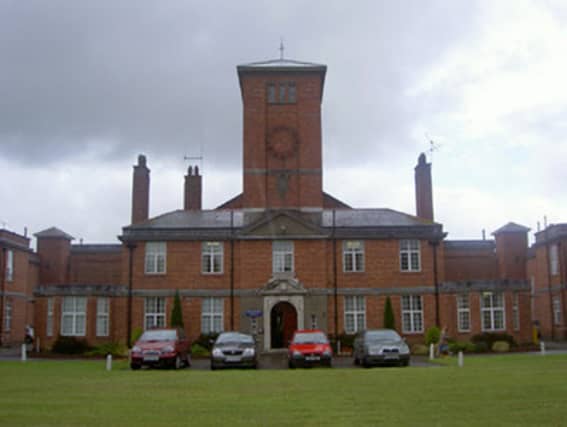
St Ita’s Ward was a single storey building located on the grounds of St Brigid’s Hospital, in Ardee. The approved centre was registered for 10 beds, and it provided a mental health rehabilitation service.
The HSE is the Registered Proprietor for the approved centre. All residents were under the care of one multidisciplinary team (MDT), which specialised in rehabilitation and recovery
Overall the ward passed on 26 out of 28 categories and was judged favourably in areas including, Safety of people in the approved centre, Appropriate care and treatment of residents, Respect for residents’ privacy, dignity and autonomy, Responsiveness to residents’ needs and Governance, Leadership and Accountability.
However the report did note that when it came to mandatory training: “Not all staff disciplines were trained in fire safety, basic life support, management of violence and aggression” and that while, overall, “the approved centre was in a good state of repair,” there was “staining on ceilings in a shared bathroom and in shared toilets, and flooring was stained. There was a ceiling tile missing in a shared bathroom.”
The report added that the ceiling tiles were replaced during the inspection and that the centre had established plans to replace the damaged flooring following works to the heating system at the time of inspection. It was also agreed that by the time of the next inspection all mandatory staff training will be in date.
At the time of inspection all residents were accommodated in single bedrooms, two of the ten bedrooms included en suite bathroom facilities. Residents had access to a dining room, a lounge area, and a multi-functional activities room, an occupational therapy kitchen and a laundry room.
The report noted that the garden area was well maintained and accessible to residents and the approved centre was decorated with residents’ artwork and bedroom accommodation was personalised to reflect colour preferences.
As part of the inspection, two residents completed questionnaires. Of the two completed questionnaires, both indicated that on arrival to the approved centre, a member of staff had explained what was happening in a way that could be understood.
When answering how often they had received information on their diagnosis, care and treatment in a way they understood, one resident indicated always, and one indicated sometimes. Both residents indicated that they understood what their care plan was and that they were always involved in setting goals for their individual care plans.
Both residents indicated that they knew their multi-disciplinary team members and knew their key workers. One resident indicated that they were always able to discuss worries or concerns with a member of staff, with the other resident indicating never.
Both residents felt there were enough activities in the approved centre. Both residents were happy with how the staff spoke with them. Both residents felt they had space for privacy and felt their privacy and dignity was respected during their stay.
Both residents indicated they could communicate freely with family, friends and the advocate, that they always felt safe and that they were always able to give feedback to staff, and to make a complaint when they were not satisfied with any part of their stay.
On a scale of 1-10, with 1 being poor and 10 being excellent for their overall experience of care and treatment at the approved centre. Both residents rated 10 out of 10.
The Chief Executive of the MHC, John Farrelly in welcoming the improvements and quality initiatives in the approved centres reviewed in the recent round of inspections, said:
“It is particularly noticeable that high-quality purpose-built facilities create an environment where staff and patients can work together to enhance recovery.”