
Several Louth land holdings sell for over €20k per acre

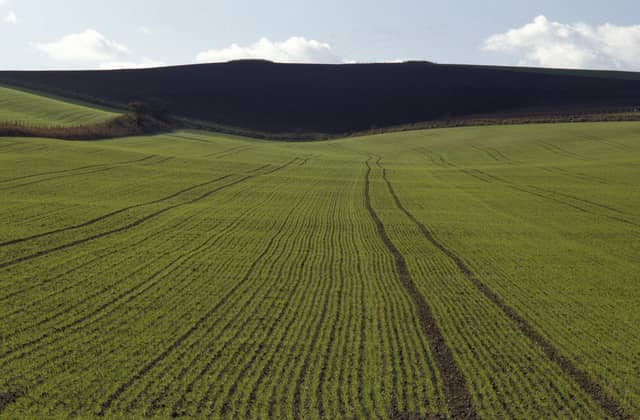

In the border areas of South Armagh and Down, land is reaching £20,000 per acre
The supply of land for sale has increased in 2024 compared to the previous year, with strong demand near the border where several holdings in Louth have exceeded €20,000 per acre, according to the annual farm survey by IPAV, the Institute of Professional Auctioneers & Valuers.
In the border areas of South Armagh and Down, land is reaching £20,000 per acre.
Stephen Gunne MIPAV – Property Partners Laurence Gunne said: “The rental market has seen a shift away from conacre towards long-term leasing, driven by weaker conacre rents and tax advantages for leasing. The key factors influencing prices over the past year have been land quality, location—particularly in dairying regions—and investment from the non-farming sector.
“Looking ahead, land prices are expected to remain stable or rise, provided there are no major shifts in nitrates regulations or milk prices.”
Nationally, the average price for an acre of agricultural grazing land reached €13,949/ac in 2024, up 8% from €12,840/ac the previous year.
The average price for forestry land rose 7.8% to €6,407 per acre from €5,940 while the average price for letting land by con-acre stood at €268.
Long-term grazing leases averaged €299/ac and tillage came in at €304 per annum per acre.
The report says that a combination of higher farm incomes, a shortage of land and increasing demand from both farmers and investors drove prices. Farmers made their presence felt in the land market, especially in the last quarter, and were happy to go toe-to-toe with business buyers and investors in the auction rooms.
Predictions are that while macroeconomic uncertainties exist, the overall strength of Ireland’s agricultural sector suggests that demand for land will continue to rise. Consequently, land prices are expected to follow suit, with a broad consensus among IPAV members that land prices will remain strong, with some regions expecting growth of 5% to 10%.
Pat Davitt, IPAV’s Chief Executive says supply has been constrained by traditional factors such as farmers wanting to keep land in the family and newer trends such as the movement towards long-term leasing and the increasing footprint of solar farms.