
5 overlooked destinations for winter sun this season
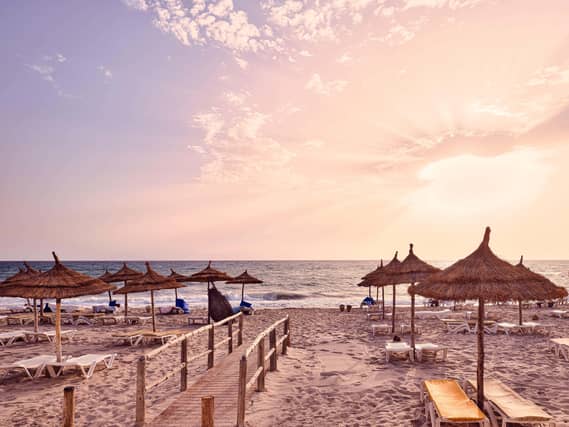

Looking for some sunshine? Skip the crowds and head to these lesser-known spots for a holiday.
Winter is fast approaching, and if the grey skies and dropping temperatures are making you crave sunshine and far-flung escapes, here are a few under-the-rader destinations to visit before they get popular.
Nicaragua – Central America’s overlooked gem
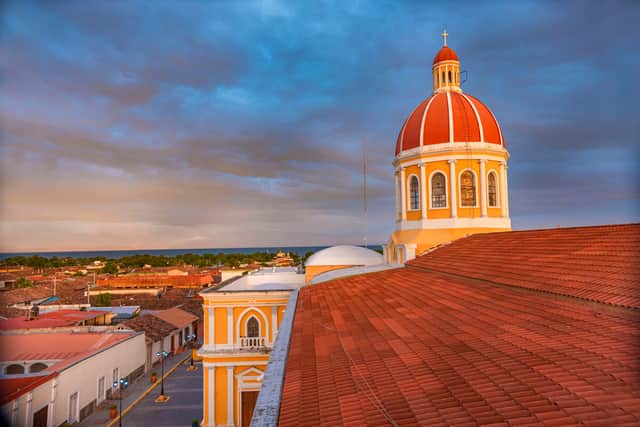
“Nicaragua has threatened to become the next big thing in Central America in my travel industry experience and never quite made it. Now, fingers crossed, it feels more stable than it has done in decades,” says Tom Barber, co-founder and brand director of Voyageurs du Monde.
“It’s kind of like a highlights reel of Central America – it’s got amazing surf, beaches on the Pacific coast, extraordinary wildlife, beautiful colonial cities, spectacular volcanos. It’s got everything that Costa Rica has got and more, but less crowds and far less expensive.”
Nicaragua is a relatively compact country, adds Barber. Explore the colourful streets of Granada and Leon, hike the volcanoes of Ometepe island in Lake Nicaragua, and even get close to the glowing crater of Masaya Volcano.
“Ometepe island is also home to indigenous communities whose heritage stretches back centuries, with ancient petroglyphs, traditional crafts and cultural practices that survive to this day,” says Barber.
“I’m obsessed with Nicaragua,” he adds. It combines natural beauty, cultural richness and a relative lack of tourism, making it “one of Central America’s most intriguing countries”. Travellers should check current FCDO advice prior to travelling.
Best time to visit: December to April, temperatures are typically 28-33°C on the Pacific coast. Drought and water shortages can be serious there though, as a result of El Nino, like a lot of places in this region, so the weather should be monitored.
Dominica – the Caribbean’s wild side
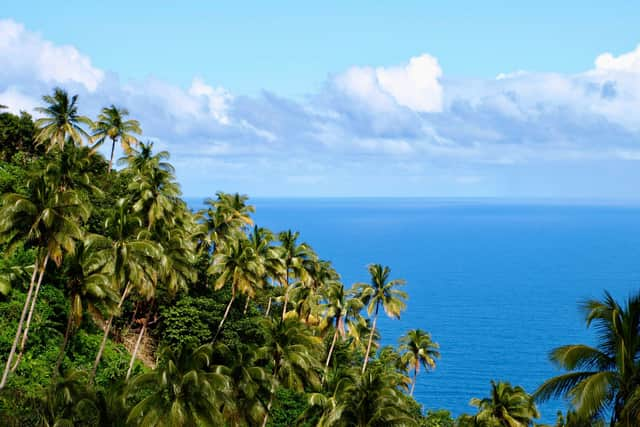
“Dominica is a very, very quirky island. Its different from Dominican Republic, it’s between two French Caribbean islands, Guadeloupe and Martinique, which are also very cool, but Dominica is very very green, 14% is national parks, 70% is forested, so it’s very wild and very beautiful and has some very good little hotels, tucked away,” says Barber.
The 115-mile Waitukubuli National Trail traverses the island – “the longest hiking trail in the Caribbean,” notes Barber, “so you can circumnavigate the entire island or do [one of the 14] sections of it.” The Unesco-listed Morne Trois Pitons National Park is home to the Boiling Lake, which can be explored during a hike.
“Dominica is home to the Kalinago, the largest remaining population of Caribbean indigenous inhabitants anyway – 3,700 acres is their territory. You can go and visit and learn traditions, crafts and culture.
“There’s very good diving, which is not always the case in the Caribbean. They’ve got a resident community of sperm whales [one of the few left on the globe] so you can go diving with sperm whales, which is unique, or go on a boat trip to see them.”
In 2025, the island established the world’s first marine reserve dedicated to protecting the whales.
This is the Caribbean as nature intended, believes Barber, with volcanic peaks, dense rainforest, waterfalls, hot springs and hidden coves – not manicured resorts and rows of sunloungers – “the Caribbean for explorers,” he adds.
Best time to visit: January to April. typically 27-30°C, generally dry, although tropical showers remain possible all-year round.
Tunisia – North Africa’s overlooked cultural gem
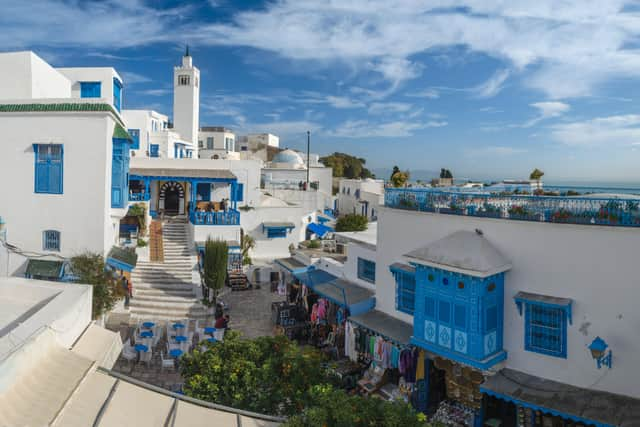
“The forgotten one alongside Morocco and Egypt, Tunis [the capital] is wonderful,” Barber notes, and less hectic than Morocco’s Marrakesh. With an atmospheric medina and a burgeoning contemporary culture scene, it’s a destination in its own right.
“Sidi Bou Said, just off the coast, has white-washed houses, blue doors, beautiful views of the Mediterranean, remnants of Carthage – for any history buffs – what remains of the city that got totally trashed by the Romans [in 146 BC].
“[There are] Phoenician, Roman, Arab, Ottoman and French influences layered together in a country that remains surprisingly overlooked by British travellers seeking something beyond its traditional beach resorts.”
“Tunisia’s wealth of archaeological treasures is remarkable, yet its ancient sites receive a fraction of the attention lavished on those in Italy or Greece,” he says.
“It’s very good for kids or any grown-up Star Wars fans because a lot of the opening scenes of the first Star Wars movie were filmed in Tunisia.
With beautiful beaches, and a shorter flight than transatlantic destinations, Tunisia can offer more than a ‘fly-and-flop’ holiday for travellers who want more from their getaways.
“It’s not boiling, but it’s significantly better than sitting in the UK in winter,” Barber adds.
Best time for winter travel: February to March, typically 15-20°C in the north, 18-23°C in the south – comfortable sightseeing temperatures.
Uruguay – small and sophisticated South America
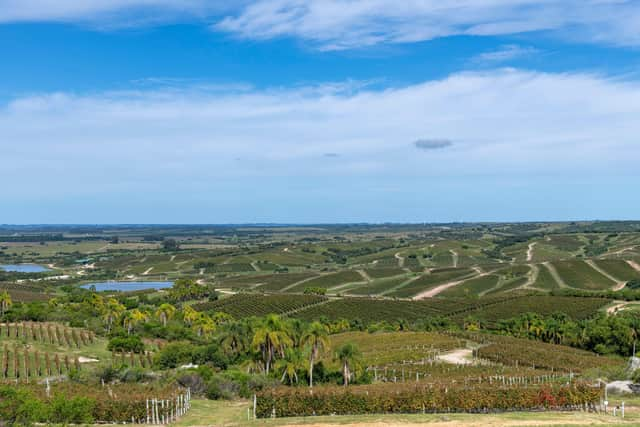
Travellers to South America often head to the better known Argentina, Chile, Brazil and Peru, but tucked in on the Atlantic coast is the lesser-visited Uruguay.
Hamish Van Gruisen, director of The Ultimate Travel Company, says: “A small gem of South America, Uruguay offers golden beaches, world-class food and wine, and warm, dry summers – perfect for a relaxed winter sun escape. Compact, safe, and easy to explore without internal flights, it invites travellers to discover its vineyards, estancias, and chic coastal towns at a gentle pace.”
He recommends exploring Uruguay’s winemaking at boutique vineyards like Cordano and El Legado, and exploring the capital Montevideo for it’s vibrant culture and rhythm, before relaxing on the coast.
Uruguay is compact and considered one of the safest countries to travel in the continent. It’s small enough to explore without needing additional internal flights.
Best time for winter travel: November to March, typically 25-32°C.
The Algarve, Portugal – a close-to-home escape
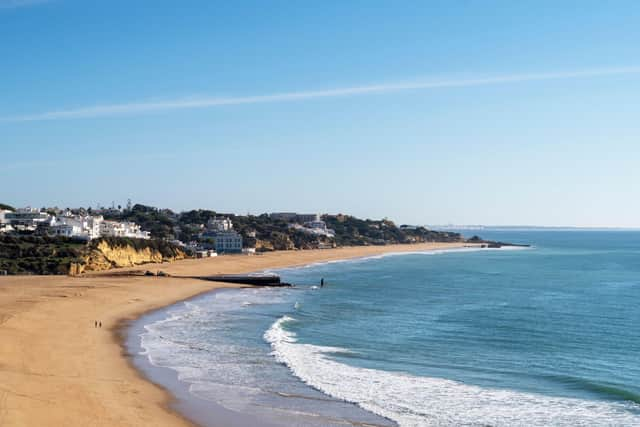
You don’t always need to go on a long-haul flight for sun in the winter months, Portgual’s southern area, the Algarve – more often associated with summer beach breaks – may be warmer than you think this season.
Some might argue it’s even more appealing during the winter months if you don’t like crowds. This pocket of the world can offer alfresco lunches, deserted beaches, coastal walks and spectacular sunsets, with dramatically fewer tourists than at the rest of the year.
Try hotels like the five-star W Algarve, in Albufeira, overlooking the Atlantic and combining contemporary luxury with laid-back coastal charm, or the contemporary boutique Octant Praia Verde, which has just finished a major renovation in the eastern Algarve. Think private heated plunge pools and a property surrounded by pine forest and sand dunes.
Spend winter here visiting salt pans and oyster farms, dolphin-watching from boat trips, horseback riding, or taking part in golf or tennis lessons.
Best time for winter travel: February, typically 17°C, with noticeably less rainfall and plenty of sunny days.