
6 ways to rejuvenate and plump up your skin following summer sun
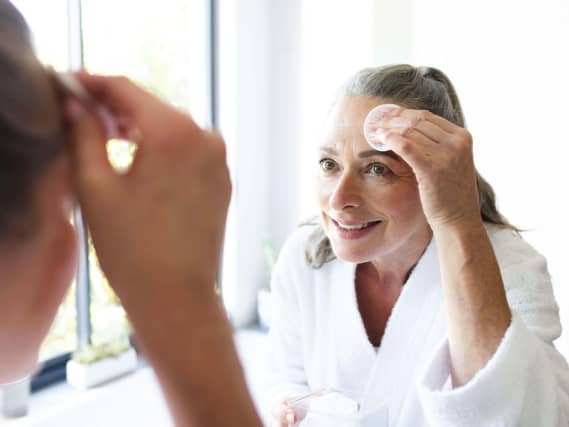

After months of heatwaves and holidays, your skin may be begging for these post-summer pick-me-ups.
While some may have revelled in the summer heatwaves, all that sun undoubtedly wreaked havoc on our skin.
Dryness, dullness, uneven pigmentation and a loss of plumpness can all become more noticeable after months in the sun – but this doesn’t necessarily mean you’ve permanently damaged your skin.
As celebrity cosmetic doctor Dr Sach Mohan, founder of Revere Clinics on Harley Street notes, “while UV exposure certainly contributes, what many people notice at the end of summer is often a combination of cumulative environmental stress, dehydration and skin barrier disruption rather than pure sun damage alone”.
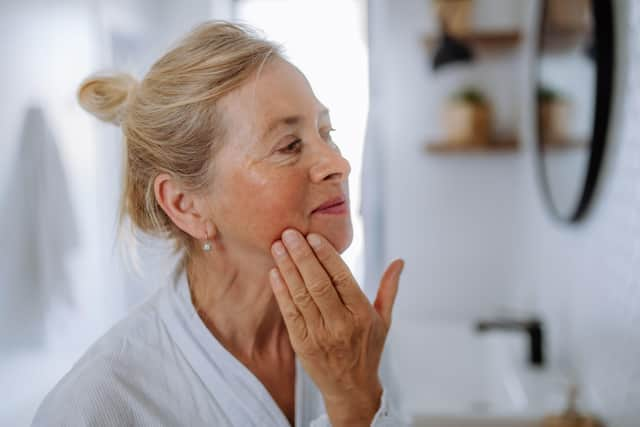
Heat, air conditioning, chlorine, salt water, increased sweating and cleansing can all play a part.
But most obviously, UV exposure can also trigger inflammation and break down collagen, while dead skin cells lingering on the surface may contribute to dullness.
So before reaching for the strongest retinol or booking a chemical peel, here’s how to help revive sun-stressed skin at home as autumn approaches.
1. Repair your skin barrier before reaching for actives
If your complexion is looking a little lacklustre, exfoliating it into submission may seem like the quickest way to brighter skin, but both doctors say this can actually have the opposite effect.
“One of the most common mistakes is trying to ‘repair’ the skin too aggressively,” says Mohan.
“If skin is already dehydrated or the barrier is compromised, introducing high-strength retinoids, multiple exfoliating acids, frequent peels or overusing scrubs can increase irritation, sensitivity and inflammation.”
Aggressive retinol, strong acid peels and harsh physical scrubs can potentially cause “irritation, sensitivity or pigmentation flare-ups”, says skin health doctor Dr Amiee Vyas, founder of Doctor Amiee Facial Aesthetics & Skin, “especially in darker skin tones”.
Her rule is to “repair before you resurface”.
Which could mean stripping your routine back to a gentle cleanser, moisturiser and SPF only for four to six weeks, incorporating ingredients such as ceramides and hyaluronic acid to help support hydration and the skin barrier.
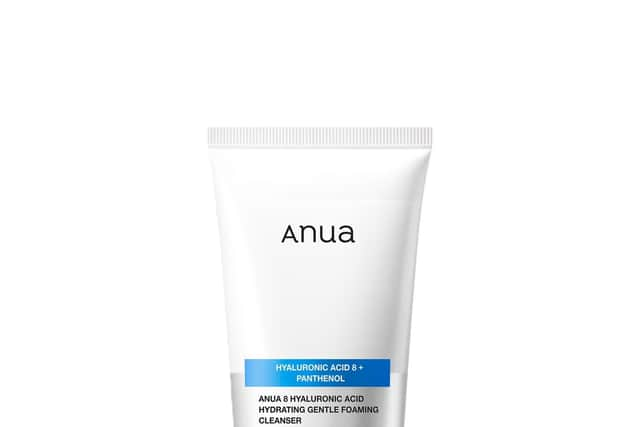
Anua 8 Hyaluronic Acid Hydrating Gentle Foaming Cleanser, £14, Look Fantastic
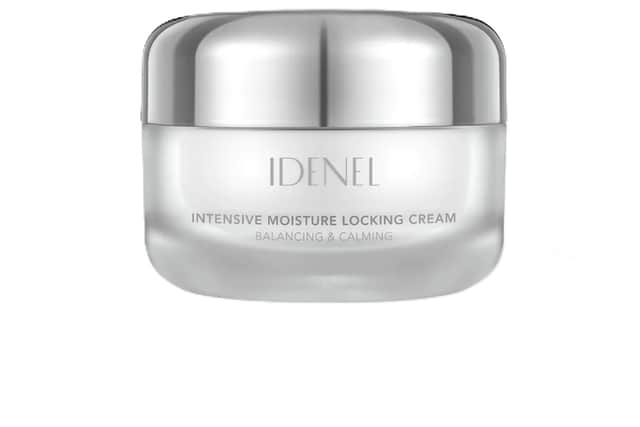
Idenel Intensive Moisture Locking Cream, £68, Skin Perfection
2. Reintroduce retinoids slowly
Autumn is often touted as retinol season by beauty insiders – and there is some logic behind it.
“Autumn is a genuinely good time for [incorporating retinol] mainly because UV intensity drops and we’re less likely to be sweating actives off or spending hours outdoors,” Vyas explains.
But September shouldn’t signal an overnight switch from a pared-back summer routine to acids and retinoids every evening.
Vyas recommends beginning two or three times a week rather than nightly, while Mohan suggests an even more cautious one or two evenings a week, depending on how sensitive your skin is.
If you’re new to actives like retinol, Vyas also recommends the “sandwich technique” – using moisturiser or a hydrating serum before and after retinoid to buffer potential irritation – and avoiding using more than one active ingredient while your skin adjusts.
“Using your active two to three times a week without irritation is going to be more beneficial than using something stronger daily in the long run,” she says.
If you experience tightness, redness or flaking, Vyas advises pausing the actives and temporarily returning to a basic routine of gentle cleanser, ceramide-rich moisturiser and SPF.
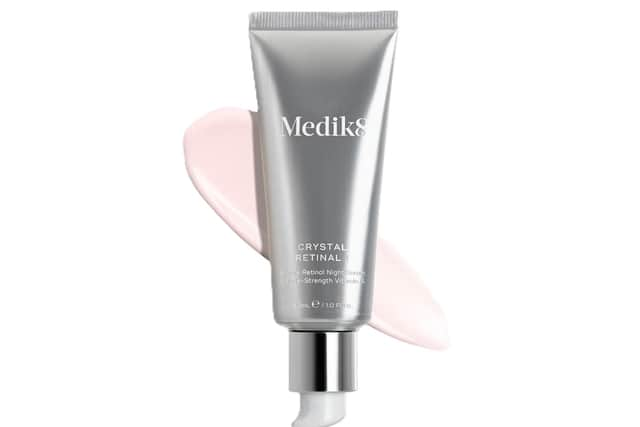
Medik8 Crystal Retinal 1 Serum, £45, Cult Beauty
3. Bring antioxidants back into your morning routine
If pigmentation and uneven tone are among the souvenirs summer has left behind, antioxidants may be a better answer than retinoids, particularly if you have sensitive skin.
While vitamin C is an active ingredient, it is much gentler than vitamin A, which is what retinols are.
“Vitamin C is wonderful for brightening, but very high concentrations on inflamed skin can sting and worsen redness or pigmentation,” warns Vyas, so ensuring you start with a low dose is crucial.
The key is to getting your skin comfortable and hydrated first, before gradually bringing brightening ingredients back in.
And don’t expect topical skincare to undo every effect of UV exposure. Vyas notes that established pigmentation, broken capillaries and more significant collagen loss may require professional assessment and treatment.
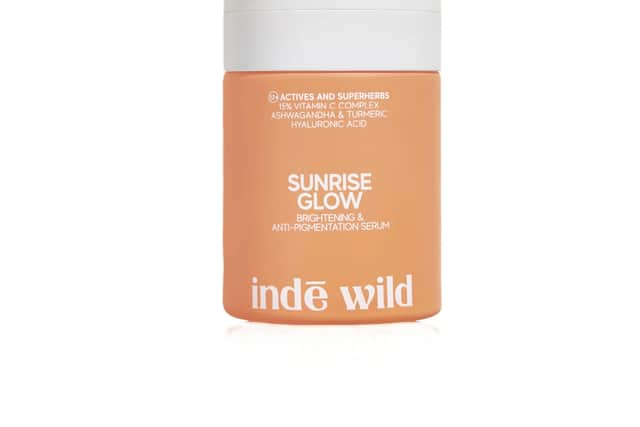
Inde Wild 15% Vitamin C Sunrise Glow Serum, £36, Sephora
4. Don’t pack away the SPF with your sandals
One of the most common – and detrimental – mistakes people make after is treating sunscreen as seasonal and only essential when the sun is shining.
Vyas says that up to 80% of UV rays can penetrate cloud cover, meaning sun protection should remain part of a post-summer routine, even when the weather becomes distinctly less Mediterranean.
UV exposure is also one of the major external contributors to visible skin ageing, so attempting to improve pigmentation and collagen while continuing to expose the skin to UV without protection can be counterproductive.
“Any ‘repair’ phase still needs SPF built in, not saved for next summer,” she explains.
If you’re using any actives such as retinol or vitamin C, a minimum of SPF50 on delicate areas like the face, neck and ears is essential, to be used as the final step of your morning skincare.
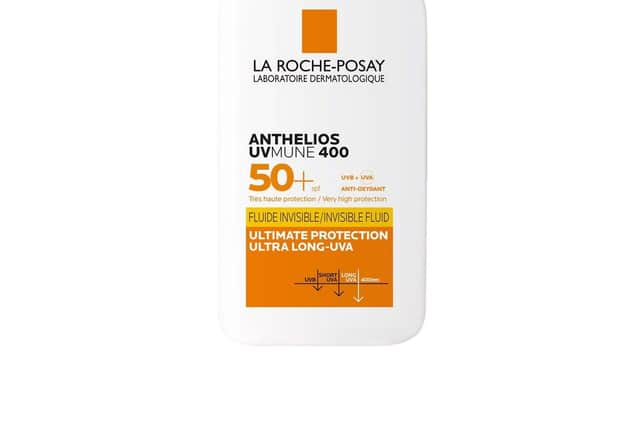
La Roche-Posay Anthelios UVMune 400 Invisible Fluid Non-Perfumed Suncream SPF50+, £16.80 (was £21), Look Fantastic
5. Don’t confuse dehydration with collagen loss
Skin looking suddenly less “plump” after summer doesn’t necessarily mean you’ve lost a significant amount of collagen over the course of your holiday. And it certainly doesn’t mean you have to start buying collagen sachets.
“A lot of what people notice […] is often the result of several stressors stacking up at once,” Vyas explains.
Air conditioning, increased sweating, not drinking enough water, and more frequent cleansing can all deplete moisture and disrupt the skin barrier.
Mohan says this can leave the complexion looking “dull, rough, less elastic and less radiant, even without obvious pigmentation or sunburn”.
This is where humectants such as hyaluronic acid, which help attract and retain water, can be useful alongside barrier-supporting ingredients such as ceramides.
In other words, if your face suddenly looks more tired in September, don’t immediately assume it requires an aggressive anti-ageing regime. Restoring hydration may make a noticeable difference to how smooth and plump the surface appears.
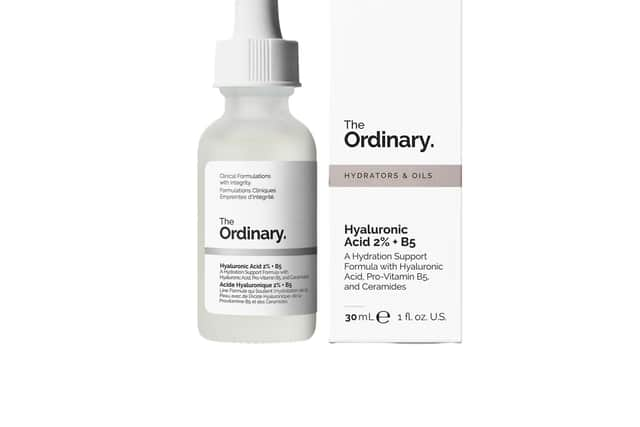
The Ordinary Hyaluronic Acid 2% + B5 (with Ceramides), £8.80
6. Use autumn as an opportunity for a skin check
Now is the best time to get advice on skin concerns that may only now be visibly showing.
“After summer, seek expert advice to repair your skin first,” Mohan says, as a professional will be able to give more tailored advice. But before that, constructing a gentle and barrier-supporting skincare routine is essential, as Mohan says; “a healthy skin barrier will respond better to every treatment that follows.”
So the best way to undo summer’s excesses may be to resist overcorrecting and repair first, then treat later. All the while keeping the SPF going long after the sun has gone.