
‘A doctor dismissed my health concerns with one question – it took another GP to finally diagnose lung cancer’
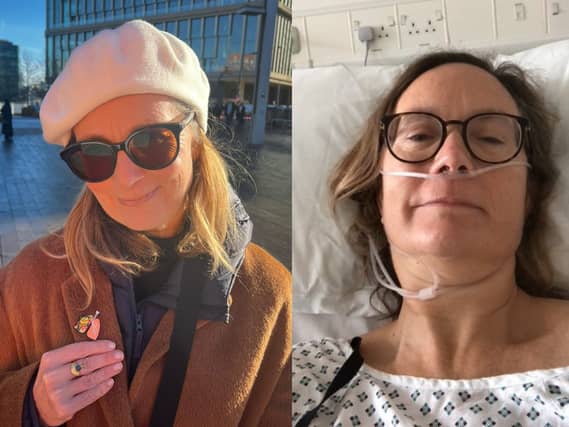

Mel Erwin believed she had long Covid before she was diagnosed with lung cancer in 2020 that progressed to stage 4 almost four years later.
A mother with no history of smoking who was diagnosed with lung cancer in 2020, that progressed to stage 4 almost four years later, said a doctor dismissed her health concerns and asked her: “What would you like me to do about it?”
Mel Erwin, 58, a retired director of a literacy organisation living in London, found out she had Covid-19 in April 2020 after collapsing.
Within three months, Mel – who is a mother to Eloise, 33, Fred, 28, and George, 25 – said it felt like her “body was shutting down” because she could not walk to the end of her street, her nervous system was shot and “everything was overwhelming”.
She had a telephone consultation with a GP due to lockdown restrictions at the time and she listed her health concerns, only to be dismissed.
Deciding to “advocate” for herself, Mel said she went to another GP, who later sent her for blood tests and an X-ray, which came back that same afternoon to show that she had “a mass” on her left lung.
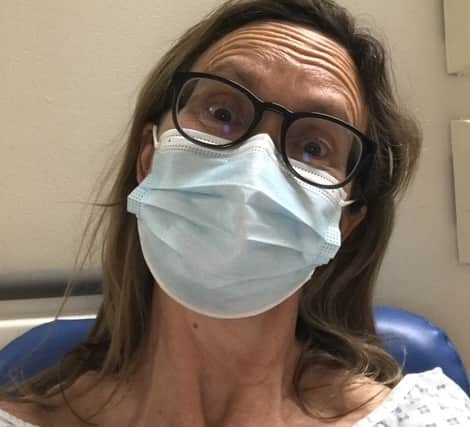
By August, Mel received a call from a consultant she said she “had never met” to confirm her lung cancer diagnosis, before she underwent surgery to remove half of her lung and then have both chemotherapy and radiation.
During a follow-up scan in December 2022, small nodules were found on Mel’s lung but she said they were “so small that they couldn’t biopsy them” – so it was not until May 2024 that it was confirmed her condition had progressed to stage 4 lung cancer.
Mel said she has been told her cancer is “incurable but treatable”, so she started on a new targeted therapy drug two months later which has suppressed it to a point where there is currently “no evidence of active disease”.
At some stage – likely within the next few years – Mel said the treatment will “stop working”, but she is hopeful another drug or a cure will be found by then.
Mel told PA Real Life: “It’s important that our symptoms are listened to and that there is action that is decided upon between healthcare providers and patients.
“That might well have been because of the pandemic and I’m really aware that it must have been inordinately hard for anybody in the healthcare profession.
“But I think it’s just about raising awareness that when someone presents with symptoms, what we need to do is find a solution, not dismiss it.”
Before her diagnosis, Mel said she has always been “incredibly healthy” and was a vegetarian who regularly did yoga.
When it came to her health, she said: “I looked after myself and I made sure that I always had my cervical smears or my breasts checked for lumps.”
Then, Mel fainted in April 2020 after she said she “felt really peculiar” and paramedics were called to her house, who checked her vitals and said it was likely she had Covid-19. This is something she confirmed with an antibody test later that year.
Mel rested and gradually began feeling better, but then she started experiencing symptoms of long Covid, including fatigue.
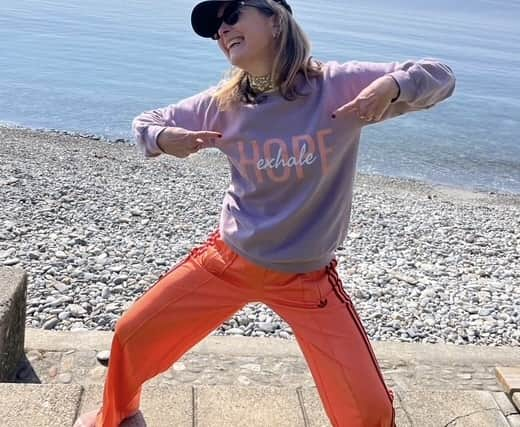
She said: “I really began to feel like my body was shutting down… like my body was collapsing.”
Mel had a telephone consultation with a GP and presented her with her symptoms, but she recalled her responding: “What would you like me to do about it?”
So, she approached another GP who she said “immediately” referred her for blood tests and an X-ray.
The same day she did tests, the results came back via a call from a consultant, who confirmed she had a mass on her left lung.
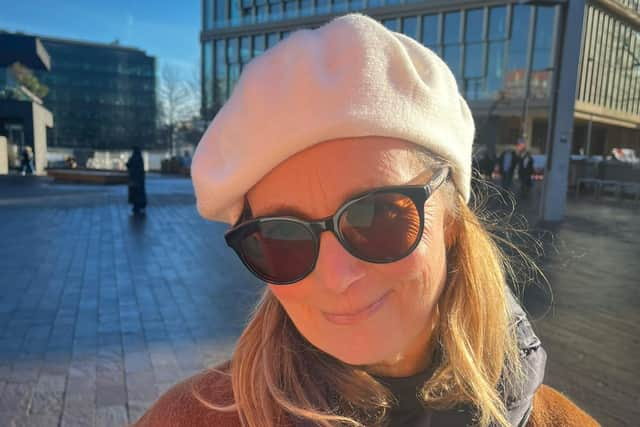
Mel said: “My instinct was that it must be to do with Covid… but I also asked if it could be cancer, and he said yes.”
“It felt like an out-of-body experience, where my life felt suddenly shelved.”
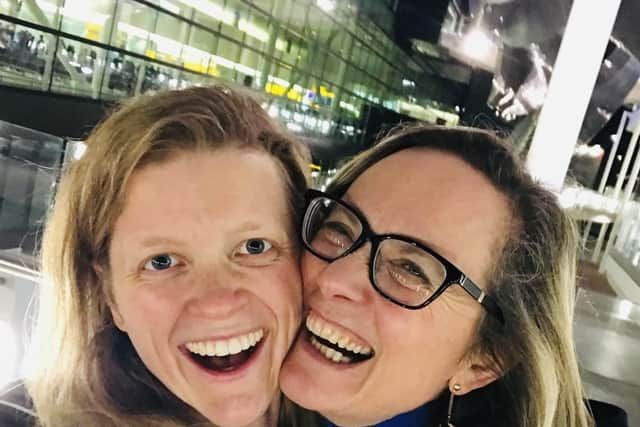
Due to lockdown restrictions at the time, Mel said she was not allowed to bring her partner, Sarah Richards, 41, with her to any follow-up CT scans, MRIs and further blood tests, which felt “really confusing”.
Then, in August 2020, Mel received confirmation of her non-small cell lung cancer diagnosis, aged 51.
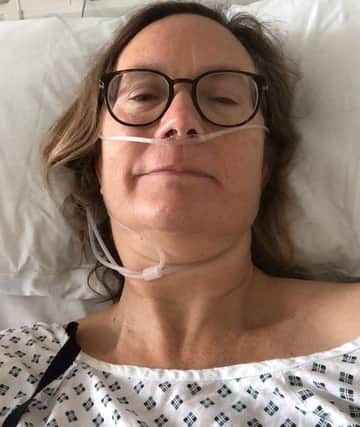
It is the most common type of lung cancer, and Mel has a mutation of a gene called EGFR+ that is more common among people who do not have a history of smoking, according to the charity EGFR UK.
She said: “Suddenly, a meteor drops out of the sky and bashes straight into your garden.
“It destroys everything and you are right at the bottom of it, but everybody else is over the top, peering in.
“They can’t reach you and there’s nothing anyone can do, so you’re in this surreal detached mental emotional state.”

Mel had a surgical procedure called a lobectomy to remove half of her lung in September 2020, before she started chemotherapy in November and finished with radiotherapy in April 2021.
“It was the darkest of times,” Mel said.
“And, as if cancer isn’t hard enough, to do it in isolation without your loved ones around you is unimaginably hard.”
Mel enjoyed a brief period where there was no cancer detected in her body, until she said a follow-up scan in December 2022 discovered 10 “tiddly tiny” nodules across both of her lungs.
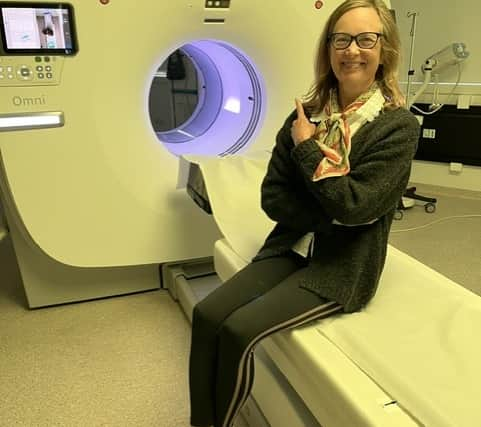
Mel said these indolent cancers – slow-growing tumours – were “so small that they couldn’t biopsy them” so they were actively surveilled and she lived in “no man’s land” without treatment.
By May 2024, they had grown enough to be tested and it was confirmed that Mel had stage 4 lung cancer.
Mel was eligible for a targeted therapy drug that she started in July 2024, and she said she was told: “The drug sometimes works for 18 months… or up to eight years.
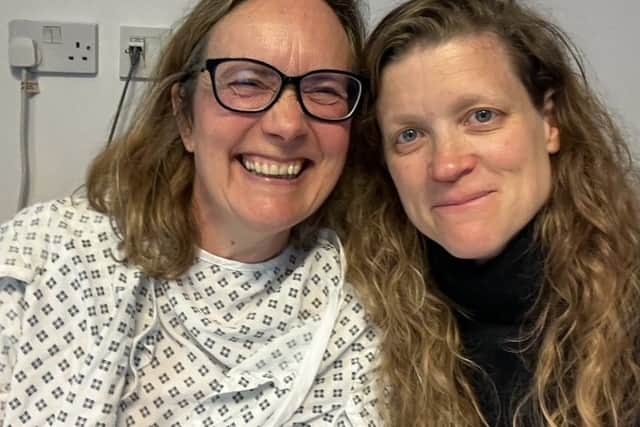
“I prefer to think of it now as not-yet-curable cancer,” she added.
At her last scan in April 2026, Mel said doctors told her she had “no evidence of active disease” and that has given her “realistic optimism” for the future.
Mel said: “I’m living in this moment and appreciating that I’m here because lots of people aren’t.
“So I’m fortunate,” she added.
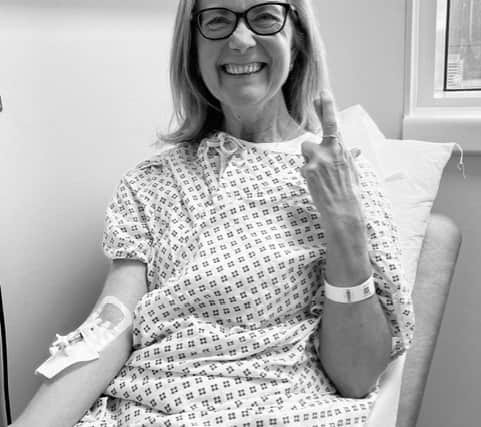
Looking back at the GP who dismissed her initial symptoms, Mel said: “As a patient, I’m confident advocating for myself, but not everybody is.
“The more we share our stories, the more we can raise awareness that, if you feel like something isn’t right, seek help.”
Mel is supporting Cancer Research UK’s Race for Life. Go All In against cancer. Go All in to help fund life-saving research. To sign up, visit raceforlife.org