
Andi Oliver: Food is a beautiful portal into adventure – but I draw the line at roasted mice


The TV chef enthuses about the need to broaden our palates on holiday.
When TV chef Andi Oliver pulled up to a motorway service station in Morocco, she was expecting the usual convenience food fare of crisps, sweets and bottles of water.
But what the 63-year-old found wasn’t just a more appetising proposition – she uncovered a hidden restaurant serving up meals among the best of her international travels.
“In the service station, there’s a butcher and a vegetable shop, and you pick everything you want,” Oliver recalls.
“They then take it away and barbecue it and bring it to the table – it was astonishing.”

It’s not the first time a motorway pit stop has taken Oliver on an unexpected culinary adventure.
Before embarking on a trip from Montego Bay to Kingston in Jamaica, she asked a local taxi driver for a restaurant recommendation to break up the journey.
“He gave us some kind of crazy landmark, and we turned up on this little road, and I could not believe my eyes,” she says.
“We travelled up this little route into the mountains, and it opened up, and there was a wall of barbecues, cooking proper jerk.
“It was literally five minutes off the beaten path, and it was a whole world of wonder.”
Oliver’s revelation comes as research commissioned by Intrepid Travel shows that 51% of British tourists won’t travel beyond their accommodation to find authentic food.
Meanwhile, 55% of Gen Z travellers say they find comfort in familiar brands like McDonald’s and Starbucks.
Oliver is sympathetic to those who are reluctant to push their comfort zone, as she says food “equates to safety and security”.
But rather than avoiding new cuisine entirely, she suggests taking more achievable “baby steps” with foreign food.
Oliver explains: “It can be overwhelming and intimidating to pick a big statement dish off the menu. My advice is to choose an ingredient that you recognise, whether it’s chicken or a vegetable you like, that is being locally cooked in a way that you’re not used to.
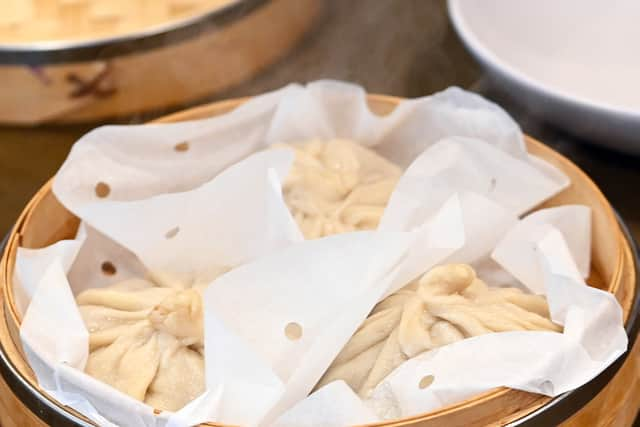
“Also, have something fried because most cultures fry something and make it delicious, like dumplings, croquettes and empanadas.”
Though Oliver is an advocate of food as a “beautiful portal into adventure”, she has once turned down a dish.
She says: “I will basically try most things, except I was away the other day and the people I were with ordered roasted mice.
“That was when I realised everyone’s got a line – and that’s where mine was!
“I asked the people I was with about their line, and they said frog legs and snails. I love frog legs and snails, so food is cultural, isn’t it? It’s what you’re used to.”
Recently, Oliver had a reimmersion into her own culinary upbringing when she dined on souse in Barbados, a clear broth typically made with pickled pig meat, a meal her father used to prepare when she was a child, but one she hadn’t eaten in years.
“When we had souse again in Barbados, they asked us, ‘Do you want lean or features?’ And when they say features, they mean facial features. A bit of ear, a bit of lip, a bit of nose, a bit of foot – all of that stuff.”
Oliver selected both, and they reignited her love for souse, though she particularly enjoyed the dish with features.
“It’s cartilaginous, and it’s got that incredible texture in the sauce. You wouldn’t get that if you weren’t using the features,” she says.
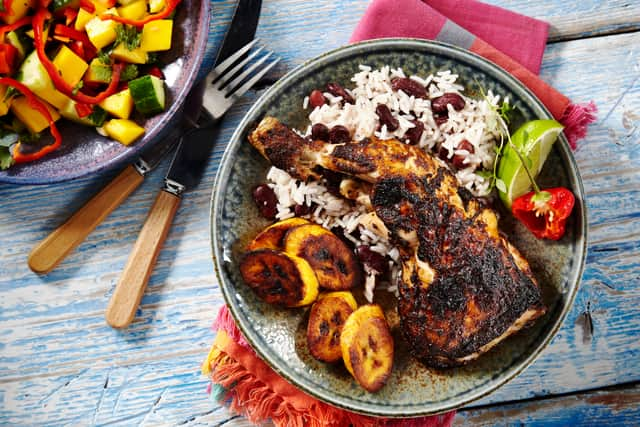
Oliver is keen to champion Caribbean food like souse as she feels that traditional dishes, specifically fungi, a cornmeal dish made with okra, butter, and saltfish or pepper pot, are waning in popularity.
“People will eat those dishes, but if there’s, say, a very well-known fried chicken chain, there’s a queue around the block.
“It does make me a bit sad because what is happening is that people’s palates are becoming blander.
“What they’re reaching for is the salt, and it’s the additives, not actually the food itself or the flavour in the food.”
The decline of traditional cuisine’s appeal is a trend across the world, according to the research Intrepid conducted with a panel of leading food experts, including Dan Saladino, author of Eating to Extinction: The World’s Rarest Foods and Why We Need to Save Them.
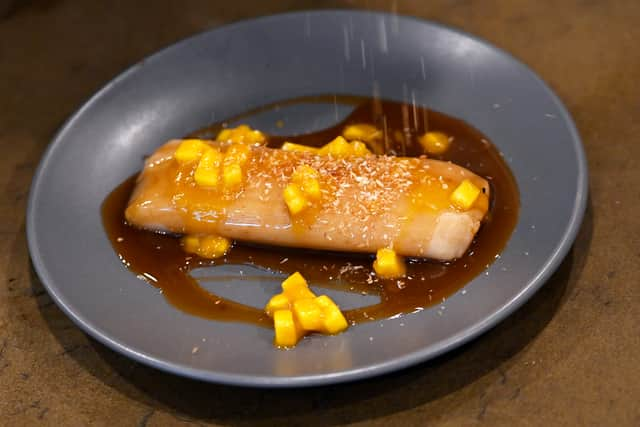
The findings highlight several dishes at risk of becoming endangered, including ‘jumbo soup dumplings’ from Hong Kong and Inanchila, a sacred sticky rice dessert from the Philippines.
But Oliver is optimistic that it can be reversed.
“There are enormous world-changing subjects we’re all trying to get to grips with and not just in food,” she says.
“It can feel really overwhelming and like, ‘I’m just one person – what am I supposed to do about it?’ But I think everything starts with us.
“If we all take small steps to change the way we engage with the dish or with our own lives, then all of us coming together, each person taking that small step, means a lot. It changes everything.”
If you are a traveller looking to expand your culinary horizons, Oliver would first and foremost recommend a trip to Mexico, saying the dishes are “more exciting and innovative” than “much-lauded” European cuisine.
She says: “I love Spanish food, I love Italian food, and I love French food, but I would take Mexican over any of them. It’s a food that expresses their old Mesoamerican history, all of that beautiful past.
“Plus, [Mexican chefs] have one foot firmly in the future as well, so I feel like their food is a food that is constantly evolving and changing.”