
Burberry trench exhibition opens at V&A as fashion house marks 170 years

The free display traces the British fashion staple from military outerwear to the runway, as Burberry prepares to show at London Fashion Week.
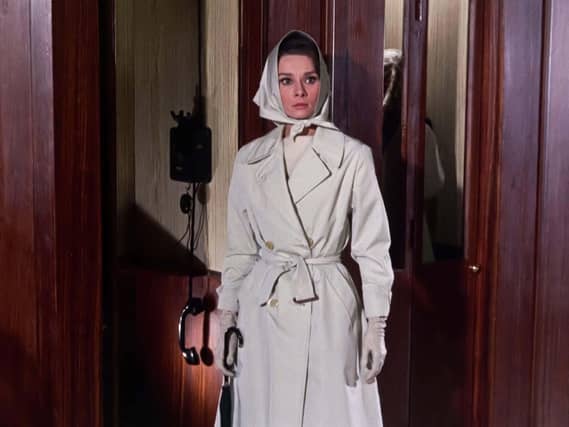
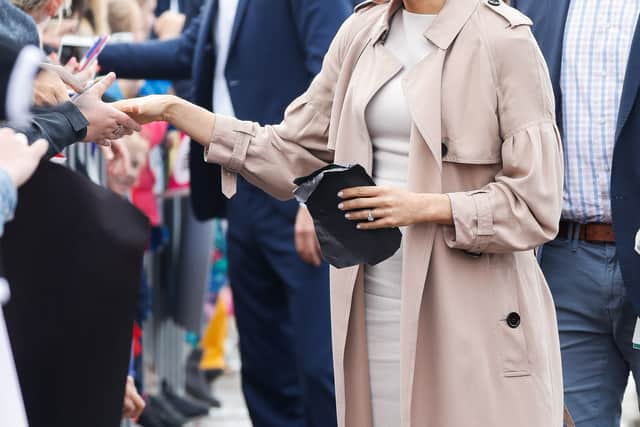
From muddy military trenches to Audrey Hepburn and royalty, the Burberry trench coat has undergone more than a century of reinvention – but according to the Victoria and Albert Museum (V&A), its enduring appeal lies in the fact it has never strayed too far from the original.
A new display at the V&A South Kensington charts the evolution of the British fashion staple, since its founding bringing together early advertising, archive pieces and some of the more radical runway interpretations of the coat.
‘The Burberry Trench: Crafting an Icon’ opens on Monday September 21, marking the British fashion house’s 170th anniversary. The free display is tucked away in the museum’s rarely seen Prince Consort Gallery.
It opens on the same day that Burberry will close London Fashion Week with its spring/summer 2027 show, with creative director Daniel Lee presenting at 7pm.
As well as being one of the longest fashion trends to ever endure, curator of textiles and fashion at the V&A Connie Karol Burks notes that the trench’s longevity comes down to a balance of style and function.
“The enduring popularity of the trench is down to a combination of its function and its fashion, so it has these characteristic elements that can be taken through the fashionable silhouette of any era.
“It has so many permeations in different fabrics and colours, but there are still those recognisable characteristics that you see, and it just ends up being a permanently stylish garment.”
The story begins with Thomas Burberry’s development of gabardine in 1879 – a tightly woven, weather-resistant fabric which helped establish the brand’s reputation for protective outerwear. The trench subsequently emerged from military clothing into civilian wardrobes, retaining practical details such as its storm flap, throat latch, belt and adjustable cuffs.
But one of the things that surprised the curatorial team was just how quickly the coat stopped being used for purely functional reasons.
“I think what was quite magical for us when we were first looking through the early advertising campaigns or the early photography of trench styles from the early Twenties and Thirties was actually how stylish they were back then,” Burks tells the Press Association.
“You know this comes out of a functional military garment made for the trenches – but its transition into fashion happened very quickly.”
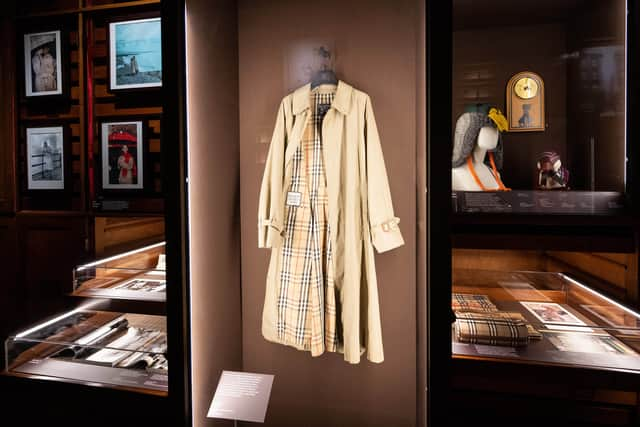
Early catalogues on display show the trench moving beyond its original associations with wet weather and the countryside and into the city.
“Originally, even as a fashion garment it’s quite a functional fashion garment,” says Burks, “but then you see adverts where men and women are wearing it in an urban setting which is really showing it’s not just a wet weather, countryside garment – it has transitioned into this marker of British style I suppose.”
Society figures and members of the Royal Family also helped transform functional clothing into something aspirational.
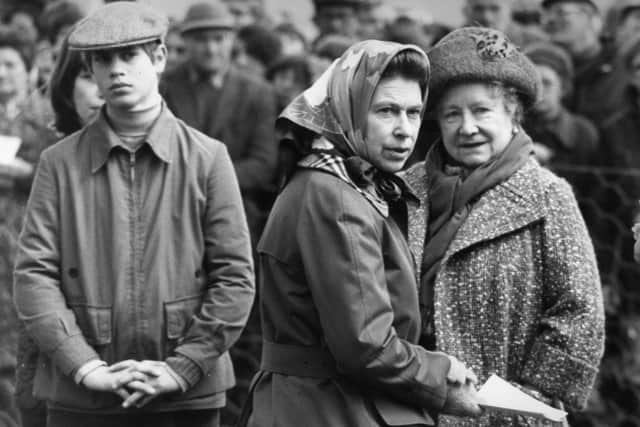
Among the more unusual pieces on display is a gabardine ski suit from 1929, worn by Margaret Campbell, who later became the Duchess of Argyll.
“It’s so stylish definitely borrowing some style elements of the trench, the double breasted, a collar that can be worn up or down, the belt – and it’s in the all-important fabric of gaberdine,” Burks says.
She adds that Margaret Campbell was “very much a society figure, written about in the papers about what she was wearing and which parties she was going to”, describing her as “a style icon of the period”.
Her wardrobe also reflects a wider change taking place during the period, as women participated in more outdoor pursuits and required clothing that could accommodate them.
After detailing the history of the trench coat, the exhibition pulls apart the anatomy of the trench itself, highlighting details including its hand-finished collar, House Check lining, storm flap and detachable throat latch.
Many recognisable components that have survived, even as designers have repeatedly changed the proportions, fabrication and purpose of the coat.
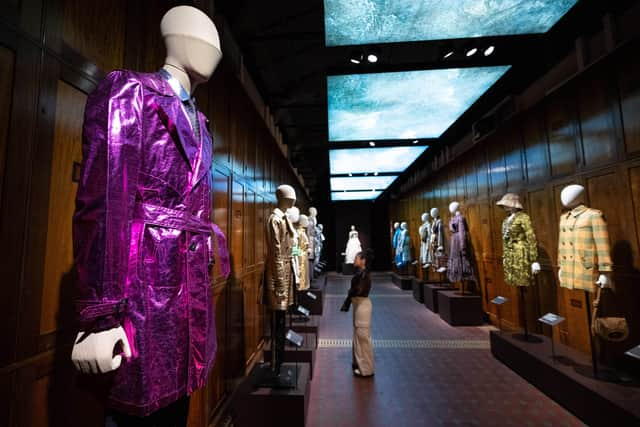
Burks said the relative lack of distinction between traditional men’s and women’s trenches has also contributed to its longevity.
“There’s very little difference between the men and women’s style of trench and I know loads of women who wear the men’s style of trench coat and look fabulous doing so and you know the key to that is the adaptability of the trench,” she said.
“The characteristic elements stay the same and are slightly adapted, it is a garment that is easy to personalise with the adjustable cuff straps and you can tie your belt however you like, you can leave it loose, you can style the collar however you like – it is a really adaptable garment that allows the wearer to make it their own style.”
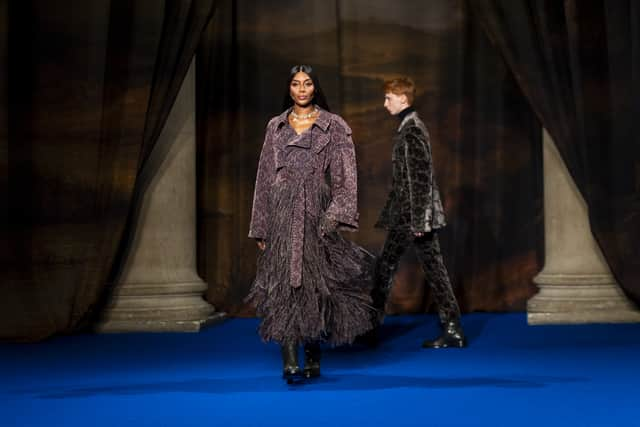
Perhaps the clearest example of the trench moving from function into fantasy, however, is a floor-length white gown on display.
Pulled from the Burberry autumn/winter 2022 collection, the design takes the familiar components of outerwear – including a belted waist, double-breasted buttons, pockets and long sleeves – and rearranges them into a dramatic strapless dress, with the sleeves falling loose from the sides of the full skirt.
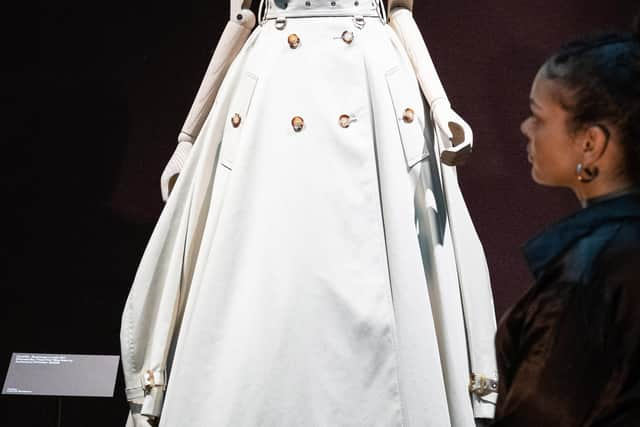
“This dress is a wonderful reinterpretation of the trench but is going on the extreme of fashion over function maybe, but we had to include it because it is taking that idea of reinterpreting the trench to an extreme and proving it is still a really stylish garment,” Burks says.
The runway pieces sit beneath a ceiling of drizzly clouds inspired by a John Constable painting of Hampstead Heath in North London – an appropriately British backdrop for a garment whose history has been so closely tied to protection from the weather.
And 147 years after Burberry developed gabardine and 170 years since the house was founded, the basic proposition remains the same – a coat designed to deal with British rain that became something people wanted to wear, even when they did not particularly need it.
The Burberry Trench: Crafting an Icon opens at the V&A South Kensington on September 21 and is free to visit.