
From divorce to the clocks going back: Anna Whitehouse on how all sorts of change can impact children


The parenting campaigner explains it’s often not the big, obvious changes that bother kids, but the minutiae like where their toys will live.
From traumatic experiences like bereavement and divorce, to smaller but potentially tumultuous transitions like moving house, or even the change in the clocks, change is a normal part of life.
Everyone can find change difficult – but it can be particularly tough for children, who have limited experience to fall back on.
And contrary to many parents’ belief, it’s often not the big, obvious changes that really affect children – it can be the smaller transitions like an alteration in daily routines that have the biggest impact.
Indeed, new research by the children’s wellbeing platform Super Chill has found that among parents whose child experienced change, 65% said a close friend moving away had a very or fairly big impact on their child, while 65% said the same of a significant change to their daily routine.
More than half (54%) said a friendship changing or ending had a very or fairly big impact, while 47% said the same about moving class or getting a new teacher, and 45% about starting or stopping an important club, sport or activity.
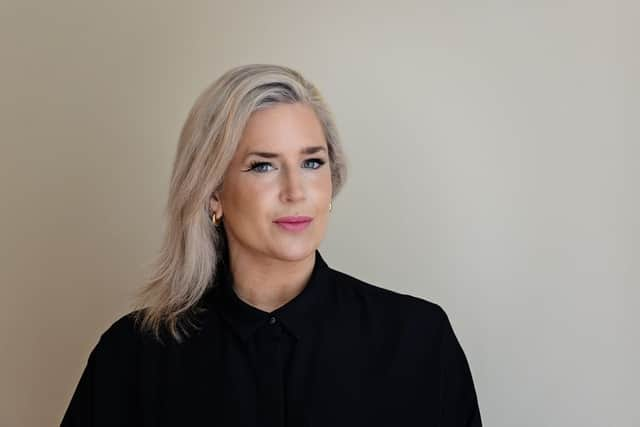
Parenting author, broadcaster and campaigner Anna Whitehouse, aka Mother Pukka, is working with Super Chill to raise awareness of the impact everyday changes can have on children, and she tells the Press Association: “We often think in quite big adult terms, and actually the day-to-day changes for a child are just as big in their small world.”
The mother-of-three recently divorced and naturally thought it would have a huge impact on her children. But although that was the case, it wasn’t for the reasons she imagined.
“I was thinking in big terms, like are they going to be struggling with Mummy and Daddy not being together?” she explains.
“But what they were really struggling with was where their toys should go – should they be at Mummy’s or Daddy’s? We know that’s a smaller thing, but actually it’s a very big thing in their world.
“We focus so much on the big stuff like bullying, grief, divorce, loss and we think those things are hugely impactful for children – which they are. But we can’t let the big things overshadow the small changes for them and that can be starting a new school term, or even sitting next to someone new at school.”
But parents may not always know when change is affecting their child – the Super Chill study found almost two-thirds (65%) of parents think their child sometimes finds it difficult to explain how they’re feeling, while half admit they may assume their child is fine because they haven’t told them otherwise. A further 45% say they don’t always know when something’s worrying their child.
Whitehouse, 45, doesn’t believe children are necessarily holding back from sharing worries with their parents, and says: “I don’t think it’s because kids don’t want to speak to their parents, I think they just don’t have the language. They often don’t know what’s good, bad or ugly in their day – they’re still working that out.”
She suggests parents find ways of encouraging their children to talk about what’s worrying them and says she finds not facing them can help when she starts talking – for example, when driving or brushing their hair.
She explains: “When you’re facing someone, it’s harder to talk and open up – you feel a bit under the spotlight, whereas when you’re facing away from each other, I call it untangling the knots. I’ll brush their hair and then just say ‘Are there any other knots to untangle in your day?’”
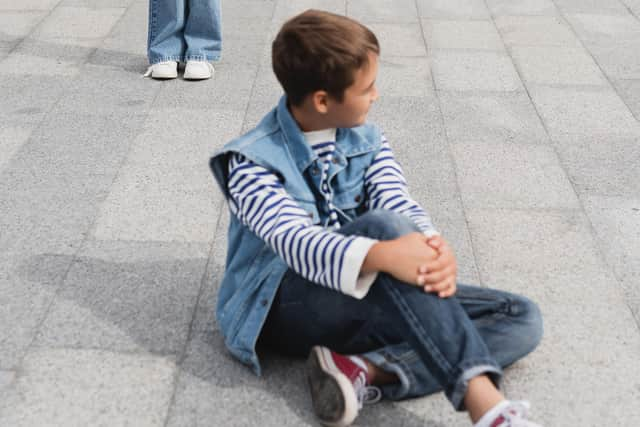
She says the first few times she asked this, her daughters – who are now 13, 10 and two – said everything was okay, but then, she points out: “This is why you should never give up – the third or fourth time, they started opening up, with things like ‘Sometimes I feel a bit strange not knowing where my favourite toy is going to be, Mummy’s house or Daddy’s house.
“It’s finding the ways to open them up to finding out what’s actually big in their day, even though it looks small to us.”
Whitehouse is half Dutch, and says she’s taken inspiration from the way the Dutch interact.
She explains: “In Holland they’re quite direct emotionally – they don’t just ask open-ended questions, they’re quite specific, engaging their minds into not a singular question like ‘Are you okay?’, but just talking through something like ‘What was the favourite thing you did today?’
“It’s the more direct, specific questions that start them talking – we need to start by opening the door instead of trying to go straight into the house.”
Whitehouse split with her first husband in 2023, and acknowledges there have been huge changes for their two daughters, as she’s since remarried and had another child. But she says: “There’s a lot to unpack when you separate children into two homes. There’s a lot to navigate with divorce – and yes, I met my new partner eight months after starting a divorce process, and we had a baby within a year of that.
“We moved in together within that year, so those are big changes for adults, let alone children. And the thing we forget is kids are incredibly robust, as long as you communicate with them. I was like: ‘I’m going to be talking them through every single step of this. They’re going to be reassured. They can open up. They can cry, but there’s not going to be a stone left unturned in this journey.
“They have ups and downs like I do, but they’re okay because they’re communicating with me and I’ve never been closer to my children because of that.
“So through divorce, which I thought would shatter my family, it’s been rebuilt in the most beautiful way,”
But she adds: “There’s no silver lining here. Of course, I would have preferred to not have got divorced – it’s wildly expensive, hugely traumatic and overwhelmingly disruptive. This is not a divorce club, and I would say don’t go into it lightly.”
Grief and life transitions coach Tanya Wilkinson points out that although parents can’t always control when children experience change, they can support them to navigate it and find calm as they do.
She says signs a child is struggling with change may include shifts in behaviour, sleep, energy, appetite, mood, wanting reassurance or to be close to you, or withdrawing.
But what can parents do if their child is struggling with change?

“You know your child better than anyone,” stresses Wilkinson, “so trust your instincts if something feels different. Sometimes the easiest next step isn’t a big conversation, but simply helping them to find calm and name what they’re feeling.”
And she advises parents to start with themselves.
“Start with you. Children borrow calm from the adults around them, so pausing to take a breath, allowing your shoulders and any other tension to soften, and steadying your voice first can make all the difference.”
Anna Whitehouse is working with children’s wellbeing platform Super Chill to raise awareness of the impact everyday changes can have on children aged six to 12, giving them tools to manage their feelings through short, playful exercises using breathing, movement, mindfulness and relaxation.