
Have a moth problem? Here are 7 ways to save your clothes
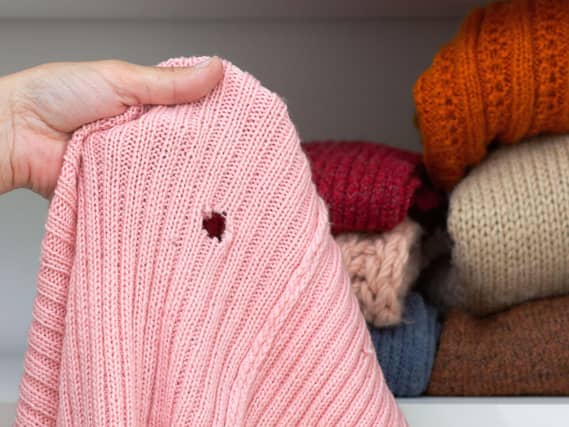

A pest-control expert explains how to get rid of clothes moths and prevent them from returning.
Clothes moths can be particularly troublesome for anyone with a wardrobe full of wool, cashmere or silk, and by the time you notice the damage of tiny holes, they may already have been feeding on your clothes for months, meaning you could have an infestation on your hands.
The British Pest Control Association (BPCA) says acting quickly is crucial to prevent further damage. From identifying an infestation to treating affected garments – here’s how to get rid of clothes moths and protect your wardrobe.
1. Know the early signs of an infestation
The first indication that you have clothes moths is unfortunately often when it’s too late.
“A small hole in a jumper is often the first thing people notice,” says BPCA’s technical compliance manager Niall Gallagher.
“Check wool, cashmere, fur and silk for damage, and look for larvae, fine silk webbing or small cases in wardrobes, drawers and around carpet edges.”
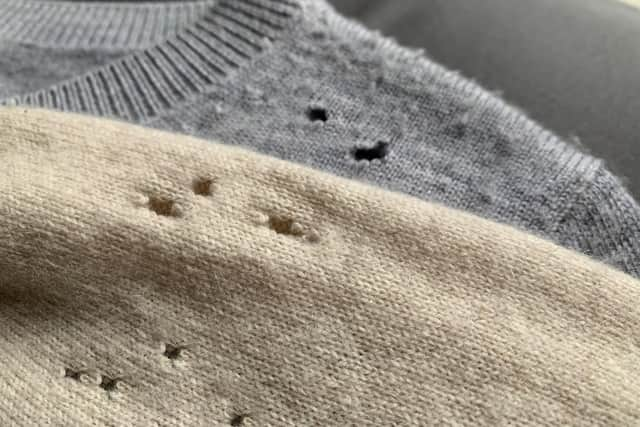
Clothes moth larvae are typically small, creamy-white caterpillars with brown heads, measuring around 1cm or less in length, so they can be difficult to spot, particularly as some hide inside tiny silk cases made from fibres of the fabric they’re feeding on. So look closely at seams, folds and undisturbed areas of clothing, where they tend to remain hidden.
While you might expect to see moths flying around your wardrobe, Gallagher says that adult common clothes moths are small and rarely spotted in flight. This means you could have an infestation without noticing many adult moths.
If you spot one or two, it’s worth checking the surrounding garments and fabrics for further evidence.
“Finding larvae, spotting moths repeatedly or seeing damage to several garments or in different rooms suggests the problem is more established.
“The life cycle can last around three to 10 months, so an infestation can go unnoticed for some time,” he explains.
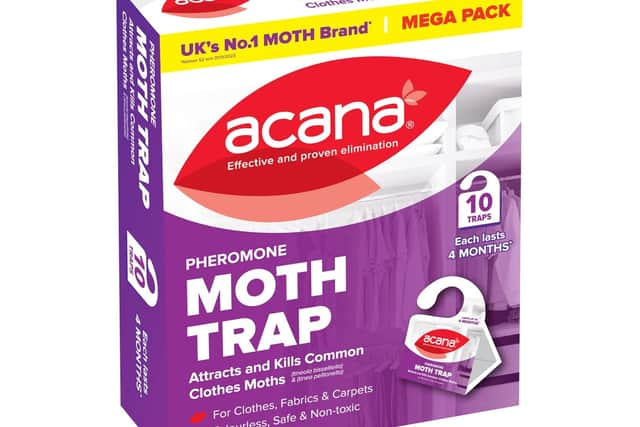
Acana Moth Trap Pack of Ten, £11.22 (was £14.94), Amazon
2. Remove your clothes immediately
If you discover moth holes in your favourite jumper or coat, the first thing to do is separate the affected garments from the rest of your wardrobe.
“Take the affected clothes out and keep them separate,” says Gallagher.
“Check the garments next to them, then look through drawers, along shelves and around nearby soft furnishings.”
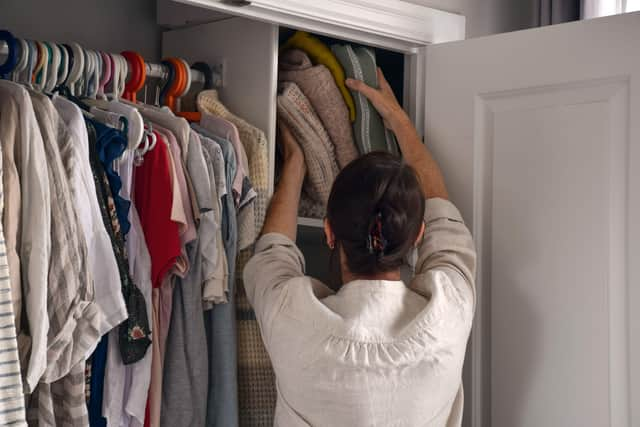
It’s also worth checking any clothes that have been stored for a long time, particularly those that weren’t washed before being put away.
“Pay particular attention to places where lint and fibres collect, and check any clothes that went into storage stained or unwashed.”
Once you’ve identified the affected garments, clean both the clothing and its storage area before putting anything back.
If you continue to find evidence of moths, or notice damage across several areas of the home, Gallagher says it’s best to contacting a professional pest-control company.
3. Don’t hot wash or take to the dry cleaner – freeze your clothes instead
While it might sound counterintuitive, one of the most effective ways to treat moth-affected clothing at home is to put it in the freezer, as opposed to popping them on a hot wash.
Gallagher says it’s affective to “seal affected clothes in a plastic bag and freeze them at -18°C for at least two weeks,” while “larger quantities need longer.”

However, it’s important to remember that treating an individual jumper won’t necessarily eliminate an infestation elsewhere in your wardrobe.
“Freezing can help save individual garments, and you’ll still need to find and deal with the source in the wardrobe or surrounding area.”
Although hot washing might seem like an obvious solution, Gallagher says most garments affected by moths cannot be put in hot washes or steamed.
And while dry cleaning might seem like the other solution, he advises against it to tackle an infestation because of the risk of spreading moths when affected clothing is handled.
4. Deep-clean your wardrobe, not just your clothes
Even after treating affected garments, moth larvae can remain hidden in the surrounding environment.
This means cleaning your whole wardrobe is just as important as treating the clothes themselves.
“Vacuum and clean the wardrobe, drawers and nearby carpets and rugs,” states Gallagher. “It’s easy to miss the back of a cupboard, the edges of shelves and carpets, and the gaps along skirting boards.”
These overlooked areas can provide hiding places for larvae, particularly where dust, lint and natural fibres have accumulated.
Take everything out of your wardrobe before cleaning, paying particular attention to corners, shelf edges and the floor beneath hanging clothes.
In the long term, Gallagher recommends keeping storage areas dry and well ventilated, alongside regular vacuuming of hard-to-reach areas to prevent moths.
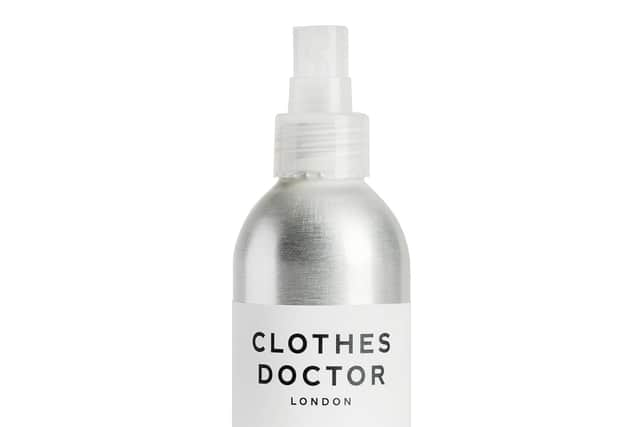
Clothes Doctor Knitwear Mist, £11.82 (was £13.90)
5. Don’t rely on lavender and cedarwood
Lavender sachets and cedarwood blocks are popular and natural ways to keep clothes moths away, but Gallagher is sceptical about how effective they really are.
“I’m not convinced that cedarwood and lavender sachets will deter adult moths. I wouldn’t rely on them to protect your clothes.
“They certainly won’t reach the larvae hiding in fabrics or clear an infestation.”

Mothballs containing insecticide are another option, and pheromone traps can also be great, but they’re better suited to monitoring moth activity rather than eliminating an infestation, Gallagher explains.
“Pheromone traps can give you an early warning that adult moths are around. Even a few catches are a good reason to check your clothes and nearby fabrics.”
Ultimately, getting rid of clothes moths requires identifying where the larvae are feeding and treating both the affected garments and the surrounding area.
“If in doubt, get a pest professional in. They’ll have access to the right tools and the practical experience to pick the right tool for the job.”
6. Repair moth holes before throwing clothes away
Once you discover holes in an expensive cashmere jumper or your favourite wool coat, that doesn’t necessarily mean it’s time to throw it away.
“A favourite jumper with a couple of small holes may well be worth repairing,” says Gallagher, but the extent of the damage will determine whether a garment can be restored.
Small holes in knitwear may be suitable for darning or specialist invisible mending, while larger areas of damage can be more difficult to repair.
Before attempting any repairs, however, it’s important to deal with the moth problem itself.
“Freezing the garment can help stop further damage while you deal with the infestation,” Gallagher explains.
“How much you can save depends on how much fabric has been lost and how badly it’s weakened.” If the fabric is worn away across a large area, repair may be impossible.
For particularly valuable or sentimental garments, it’s worth consulting a professional clothing repair specialist before giving up on them.

Merchant & Mills Essential Darning Kit Gift Box, £26.50
7. Store clothes properly to prevent moths returning
Once you’ve dealt with an infestation, it’s key to take precautions to protect your clothes from future damage.
Gallagher recommends washing garments before storing them, particularly if they’ll be packed away for several months.
“Put clothes away clean and completely dry, especially if they’ll be in storage for months.
“Airtight containers or plastic garment bags are useful for longer-term storage.”
Seasonal knitwear, wool coats and blankets are particularly worth checking before putting them away.
Regularly inspecting stored clothes, airing out wardrobes and vacuuming storage spaces can also help you spot a problem before it becomes more widespread.
“It’s upsetting to pull out a favourite piece of clothing and find it full of holes, so acting early gives you a better chance of saving it,” Gallagher says.
And if you continue to notice fresh damage or discover larvae after cleaning, he recommends seeking help from a trained expert to identify and tackle the source of the infestation.
Total Wardrobe Care Knitwear & T-Shirt Storage Bag, £10