
How to help children and teens adjust after relocation


Settling into a new area might take time and require patience.
Headlines about the Duke and Duchess of Sussex returning to the UK with their children Prince Archie and Princess Lilibet have dominated the newspapers this week, as they embark on a new chapter after six years living in the US.
Archie, seven, and five-year-old Lilibet have reportedly been enrolled at British schools, where they are due to begin in September.
This high-profile move highlights how relocating – whether to another country or to a different town – can bring a significant period of adjustment for the whole family.
We spoke to Dr Vica (Victoria) Khromova, consultant child and adolescent psychiatrist at Cygnet Health Care, to understand why relocation can affect some children more deeply than others. She also shared advice for parents on how best to support their children as they navigate this period of change.
What signs might indicate that a child is finding it hard to adjust after relocation?
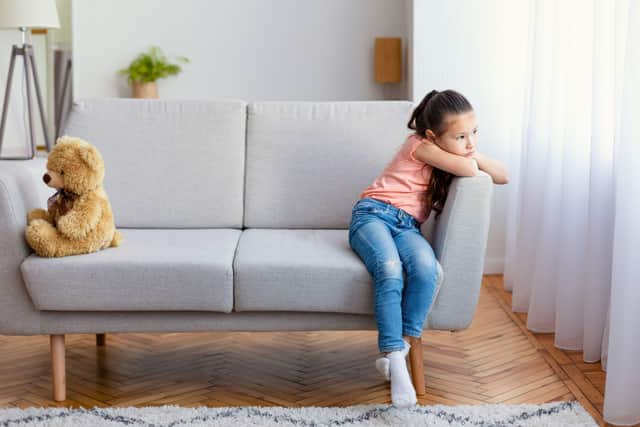
“One of the biggest things that people struggle with after relocating is that they often lose their network, potentially friends or family or both, unless they are relocating to be closer to their family,” says Khromova.
“So, one sign to look out for in a child is withdrawal from the family, but also from having a social life. For example, if they were previously quite socially active but suddenly struggle to find friends or struggling to try new things.”
Can a move affect different age groups differently?
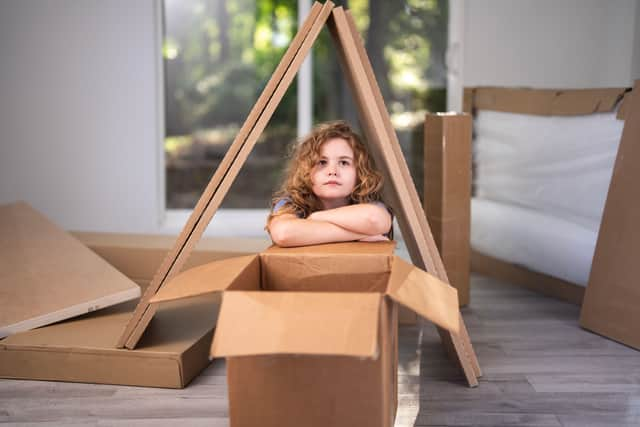
Khromova says that younger children often find it easier to adjust.
“For younger children, especially those coming up to school age, their lives tend to be centred more around the nuclear family. Therefore, if the entire nuclear family is relocating, it might be less of a struggle for them because the people that matter to them the most are still around them,” says Khromova.
However, she explains that peers and external networks tend to become more and more important as children get older.
“For teenagers in particular, their peers are really critical,” says Khromova. “So, when teenagers relocate, it’s potentially harder for them because they’re leaving behind much more significant networks than younger children are.”
Can the disruption in routines during or after relocating affect children?
“Relocation is often a time when everything is potentially quite chaotic. There’s lots of unpacking to do, routines change and children might not be able to start school straight away, which can be really disorientating for them,” says Khromova.
Here are her suggestions on what parents can do to help their children navigate this adjustment period…
Be available

“One difficulty that children often face during relocation is that parents are sometimes not as available as they once were because they have a lot to do and sort out, which can be quite disorientating, especially for younger children,” says Khromova.
“So, I think having a stable adult in the house who is around to support them can be really important.”
Try to establish a network before going
“I would recommend trying to establish a bit of a network before moving, if possible,” suggests Khromova. “If you know of people who already live in the area, it might be worth re-establishing some of those connections so once your family arrives there’s already familar people around.”
Be clear of what will happen with school
“I think it’s important to be clear with your children about what’s going to happen with school as much as possible,” advises Khromova. “For example, will they start school straight away? Will there be a bit of a delay? It’s good to make a child aware of these things so they know what to expect.”
Don’t dismiss their feelings

“I think sometimes parents try to be overly enthusiastic and just focus on the positives of the place they’ve relocated to, without acknowledging how difficult it is to leave, and I think that this acknowledgement is really important,” says Khromova.
“If your child is voicing any anxiety, sadness or anger around moving I think it’s important to acknowledge these feelings and to not dismiss them.”
Explain the reasons behind the move
“People move for a reason, so I think explaining that to the child is important,” recommends Khromova. “For example, it might be a move for a better job, so you can explain the financial benefits of moving without dismissing how they are feeling.”
Don’t be afraid to share your own feelings
“Sometimes parents are worried about expressing their own feelings of loss to their children, but I think grieving a loss of place or loss of network together and connecting over that can be really therapeutic,” says Khromova.
“Approaching them and talking a little bit about your own sadness that you might be experiencing could help them open up.
“Outwardly modelling processing these emotions is important to help children learn how to deal with challenges in life.”
Help them find children with similar interests

“If your child has specific interests or hobbies, try to find places in the new area where they can meet other kids who like the same things,” recommends Khromova.
Connect with other families
“If you make new connections and create a network of families that have children within them, that can be a helpful way for your children to meet others of similar ages and form connections,” says Khromova.
Create new routines
“Sometimes trying to recreate exactly what was happening somewhere else might not be feasible, so creating a new routine might be a better way forward,” suggests Khromova.
“Relocation might be a good time to establish new house rules and routines, and if your kids are old enough maybe get them to participate in this.”
Give them time
“As parents we often want to immediately fix things, but sometimes children just need space to process and a bit of breathing room,” says Khromova.
Prioritise family time

“Relocating can be very stressful, particularly for adults who have to deal with the endless admin, and it’s easy to get swamped by that. But, I think it’s really important to carve out some time to have fun as a family during this adjustment process,” advises Khromova.