
‘I was diagnosed with stage four thyroid cancer at 13 – I’m now 16, and it’s changed my perspective on life’
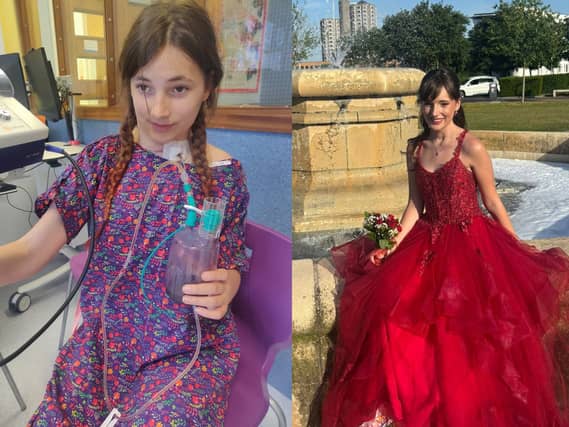

Caitlin Fagan said ‘the cancer diagnosis really opened my eyes’ and made her realise what matters.
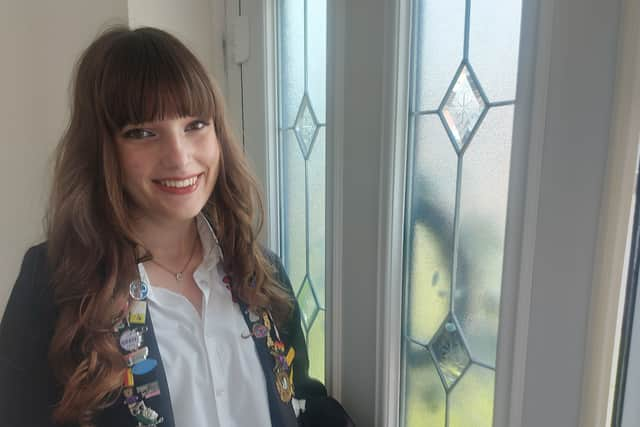
A teenager from Loughborough said that being diagnosed with an advanced form of thyroid cancer at a young age has shifted her perspective on what’s important in life.
Caitlin Fagan, now aged 16, was diagnosed with stage four papillary thyroid carcinoma at just 13 years old after years of pushing for answers.
Papillary thyroid cancer is the most common type of thyroid cancer and is more common in women, according to Cancer Research UK. This form of cancer is also most common in people in their 30s and 40s.
It’s usually slow-growing, but it can sometimes spread to lymph nodes in the neck or close to the thyroid.
“Before the diagnosis, I was always worrying about the little things, such as what other people thought of me and about my GCSEs, but the cancer diagnosis really opened my eyes and made me realise that none of that matters,” Caitlin told PA Real Life.
“When you’re going through something that could potentially kill you, you learn to not give a damn about what other people think of you.
“You’ve just got to live your life and make the most of it, because you never know what’s going to happen in the future.”

The teenager said that although the news was devastating for her family, she initially felt “relieved” to finally know what was wrong with her, as her symptoms had been mistaken for common illnesses, such as tonsillitis and mumps, in the years and months leading up to the diagnosis.
“Being 13, it didn’t quite hit me just how bad it was. I was actually kind of relieved that we finally got the diagnosis because it felt like we had been strung around with misdiagnoses for ages,” said Caitlin.
“We first went to the doctors when I was very little because I had a large neck, but they just said it was probably just baby fat and they also said the same thing when I was 10.”
However, her mum Debbie kept pushing for answers.
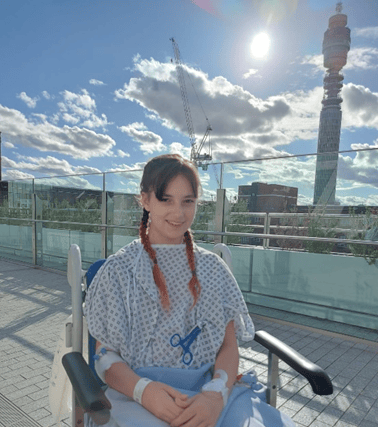
“When I was 13, we gave them my symptoms, which was just a large neck at the time, and they diagnosed me with tonsillitis. However, the medication didn’t help,” recollected Caitlin.
“I was later diagnosed with mumps, but after a few months, one of the doctors said I should get my neck checked out at a hospital. I had an ultrasound and a biopsy, and then a month later, they confirmed it was thyroid cancer, stage four.
“When they rang my parents to break the news, my mum broke down crying in the middle of Asda.”
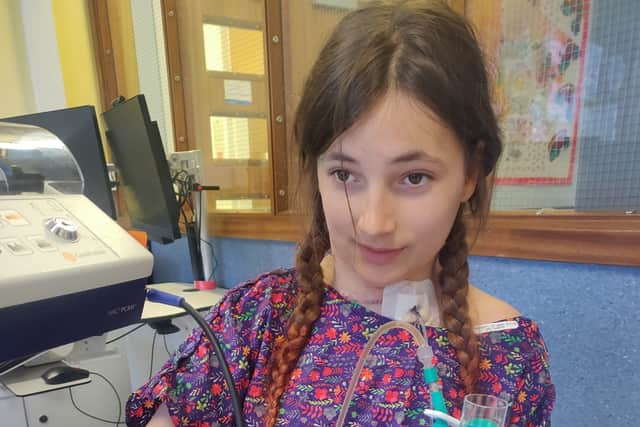
Caitlin said that she still struggles with low energy levels, feelings of nausea, dizziness and knee problems the most.
“I wake up every morning feeling really sick, so I have to take medication the second I wake up. I also feel really drowsy from doing little things,” said Caitlin.
“I feel really dizzy all the time and I can barely walk up the stairs because of pains in my knees.
“I think after being in pain for so long, you get used to it in a way. You learn how to hide it so people don’t question you and can’t see how badly you are struggling.”
The primary treatment for papillary thyroid carcinoma is surgery, which involves removing all or part of the thyroid gland, according to the NHS website. Caitlin has had three procedures so far and is expecting to have another one at the end of the year.
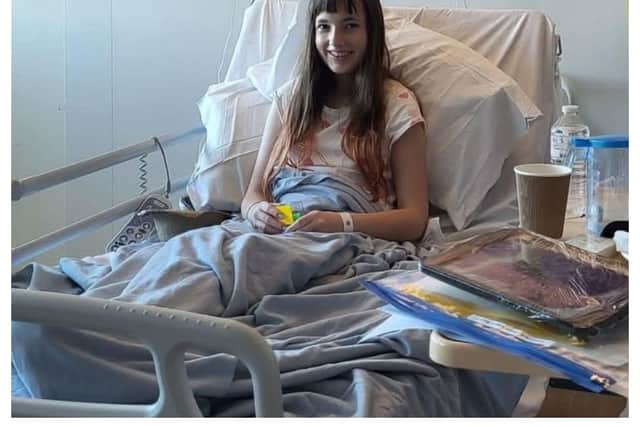
“The surgeons said if they had carried on and completed each surgery to remove it all, then I would have had to have a tracheostomy, so I am grateful they stopped,” said Caitlin.
“In January 2025, the doctors said that I was on the verge of being cancer-free, but then in October, they said it was back.”
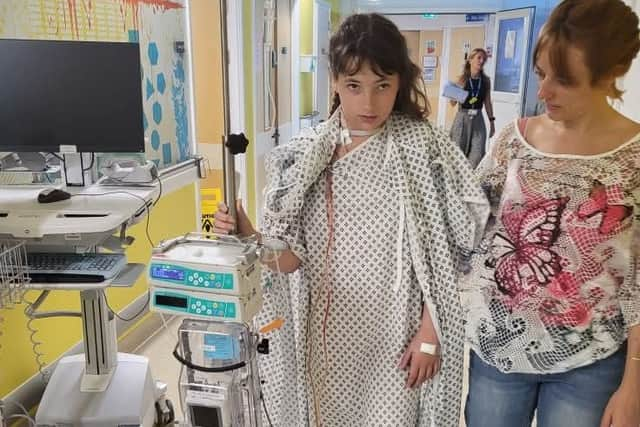
She has also had radioactive iodine treatment, which uses radiation to kill cancer cells and has had to miss a lot of school.
“I had to self-isolate for two to three weeks after the radioactive iodine treatment and can’t go back to school after that for a good while because the side effects restrict you from leaving the house,” shared Caitlin.
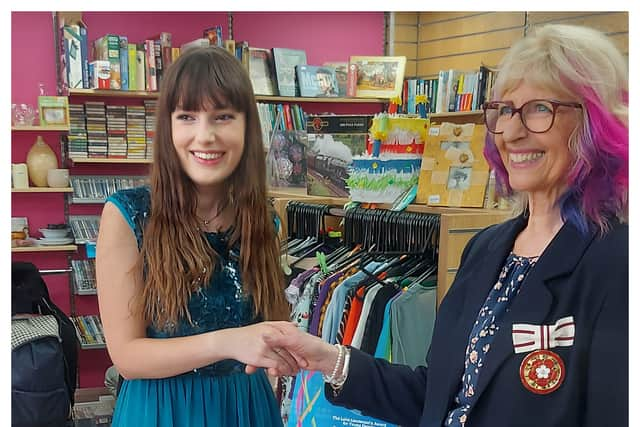
Caitlin added that volunteering at her local Age UK charity shop as part of her bronze Duke of Edinburgh Award and meeting other teenagers living with cancer has helped her feel “normal”.
“Once I had the diagnosis, it’s like all anyone saw was the cancer, but when I was volunteering in the charity shop and was talking to people who didn’t know I have cancer, they treated me like a normal person,” said Caitlin.
“All the cancer charities have been really amazing and have helped connect me with other teenagers who are also living with cancer.
“It’s nice to know that I am not alone in this and meeting other people my age with cancer helped me realise that I wasn’t strange by having cancer at a young age.”
Caitlin is also passionate about helping others, and has raised money for charities including Teenage Cancer Trust and the Poppy Appeal through activities such as making bracelets and key chains. Her commitment to volunteering was recognised when she won the Young Hero Award at the 2025 BBC Make a Difference Awards for the Leicester region.
Her parents also nominated her for a Cancer Research UK Children & Young People Star Award, which she received earlier this year.
She is now hoping to take on a charity skydive.
“My dad did a skydive last year and it genuinely looked so much fun, so I’m keen to do one with my friend for charity,” Caitlin said. “People don’t really know about a lot of these cancer charities until they need them, so I want to raise awareness and money to support them.”
Caitlin also celebrated a major milestone by attending her school prom last week, making a memorable entrance in a fire engine while wearing a flowing red dress.

“I was really excited about prom because I don’t usually get to go to things like that, as it’s often too much for me,” she said.
“It was an amazing experience.”
To find out more about the Cancer Research UK for Children & Young People Star Awards, visit cruk.org/starawards