
Interior Design Masters winner Lia Gold on finding and refurbishing second-hand homeware
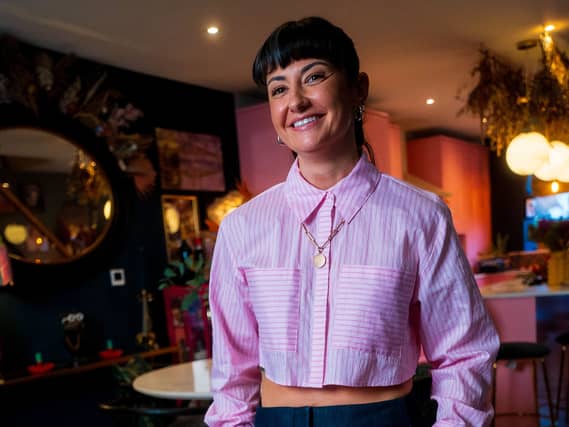

The interior designer tells Sam Wylie-Harris how you can reinvent your home with pre-loved pieces and individual self-expression.
While we all love to keep up with the latest trends and be in the know, defining your own interior aesthetic and visual concept can be the gateway to your go-to decor.
Especially if you have a passion for interiors and an eye for detail, there’s nothing like re-inventing a pre-loved piece or leaning into a bit of vintage.
“I think a lot of people, when they’re trying to find their design style, what it is they like, where to start, or decorating their home, the easy approach is to use high-street brands to do that,” opines Lia Gold, (@liagoldinteriors), winner of BBC series Interior Design Masters 2026.
“But ultimately, you’re buying into what it is they’re pushing based on their trends and sales for that season… and then comes another season, and you’ll go in again, and start to feel your own home is outdated.
“Or it doesn’t actually reflect you, or give you the boost you need when you’re in your own home; and that’s because you’ve kind of fallen victim to seasonal trends – or trends the brands are trying to push to you.”
She continues: “So for me, it’s more about understanding how we want to live in our homes, how we want to feel in our homes, and how you can achieve that through interiors without going into high-street shops, or being taken in by very good marketing to buy into all of these items.”
Moreover, the 34-year-old whose style philosophy is ‘no trends, just taste’ thinks “a lot of people become much happier when they fully understand how to create a home that they love, and is built around them”.
Today, Gold says her style has definitely evolved since the TV series with Alan Carr, when it was coined as ‘botanical maximalist’.
“It’s been a little more refined since then. There’s still botanical in it, but I don’t go with maximalist anymore, so I definitely think it’s more of a joyful, sophisticated approach to botanical interiors,” she says.
“I really love the colour green, it features heavily in a lot of projects of mine, especially wallpaper. I take a lot of inspiration from nature and outside, so greenery appears in a lot of my spaces.”
Here, she shares her top tips on sourcing second-hand buys, pre-loved items and giving something a second life…
“My most treasured pieces of furniture, and the ones that have lasted me the longest, are all second-hand buys,” she says.
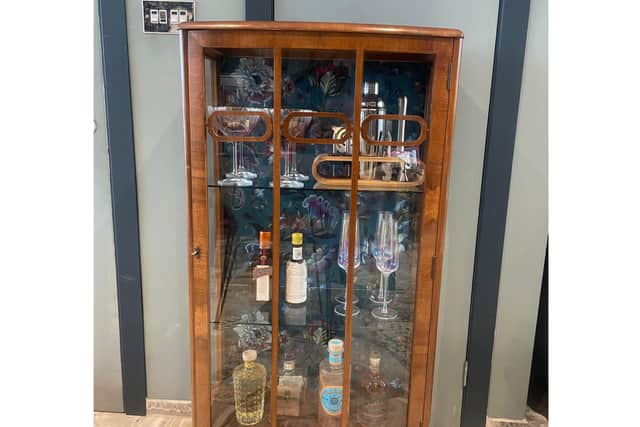
“With the cost of natural products like wood getting so expensive, lots of chests of drawers, for example, are now made of veneer, so they’re not even 100% solid wood; and if you’re looking for a new one – as I was – it’s about £600 or £700 and some of them weren’t even real wood.
“So that’s when I started looking at things like charity shops, auction houses, Facebook Marketplace, and I found a £50 solid wood chest of drawers – and all it needed was some sanding, repainting and new cabinet knobs – it now looks absolutely immaculate.”
She continues: “And I know it will stand the test of time because it’s solid wood. So I think it’s about how people can can use second hand, but also adding a little bit of creativity or a bit of DIY to make it what you want… there’s so much inspiration out there to do that.”
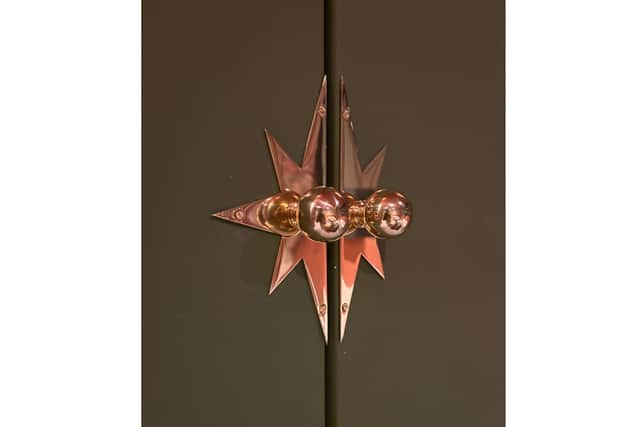
Larger items of furniture
To help you think outside the box, Gold says: “When it comes to any thing like bedside tables, wardrobes, even shelving, look for solid wood because it can always be sanded back, and then revarnished if you want to keep the wood effect.
“For example, you can use wood stains and change the tone of the wood. Or, if you want to give it a complete new lease of life, you can paint it entirely a new colour. And because it’s wood, it will always soak in, which is great.”
Curtains
“Don’t look past items like curtains in charity shops, because you can also use the fabric – if it’s the fabric that you love – to make pillowcases, tablecloths etc.
“It can be reinvented into something else. So just because they’re being sold as a set of curtains, it doesn’t mean you have to keep them as curtains.”
Artwork
“There’s a big thing that artwork is unachievable and it’s very expensive for a lot of people.
“In charity shops, I find the best artwork or the best frames, and you will always get glass in charity shops. While now, a lot of them [glazing] are acrylic or Perspex.”
She continues: “I bought a picture frame recently, and on the front it looked plain. I opened it up, and it had a really nice old picture of a man with his dog, and I didn’t want to throw it away because it just felt really special and I ended up keeping it.”
Crockery
Charity shops are also good hunting grounds for crockery, says Gold. “Especially if you like mismatched things, it’s really nice to have lots of different pieces.
“So if you don’t mind mismatched plates, that’s a really nice way to add a little bit more interest to your tableware. I also host and run supper clubs [influenced by her Italian heritage], so tablescaping is a massive thing in my house.”
Glass cabinets
Here’s another thing she loves from charity shops. “I used to buy very old vintage glass cabinets, and turn them into bars [home bar cabinets],” reveals the creative.
“So before I was on Interior Design Masters, I went through a period when I’d upcycle and resell them.”
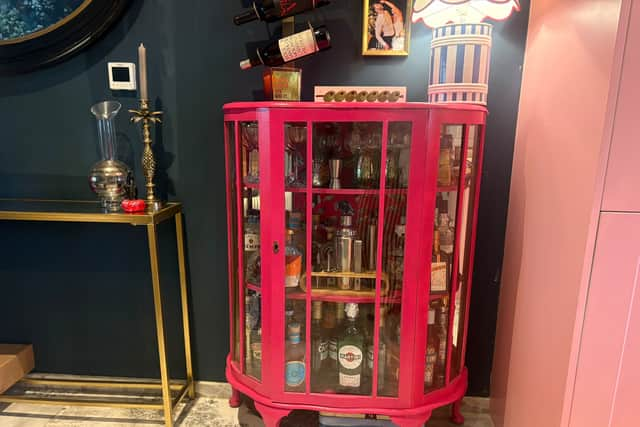
Give them a new lease of life, “by using wallpapering on the back, or hanging drapery inside them. A lot of them have gold embossing, or really nice glass fronts that make beautiful bars”.
“So I think people sometimes don’t need to look at its traditional function… and you can turn pieces into different things that may be suited more to your home,” says Gold encouragingly.