
Mallorca in shoulder season – what the Balearic island offers in autumn


Sara Keenan hopped on a flight to the Spanish island for an autumnal getaway.
They say a trip to Mallorca is good for the heart – quite literally.
According to local tour guide Lorena Torres, it has been suggested that people’s heart rates slow down when they arrive on the largest of Spain’s Balearic islands, earning it a reputation as a place of calm and relaxation.
And with more than 300 days of sunshine a year, picturesque fishing villages, historic towns and clear waters, it’s not difficult to see why.
While Mallorca, 125 miles off the country’s eastern coast, is often associated with bustling beaches and summer holidays, there is another side to discover when peak tourist season winds down.
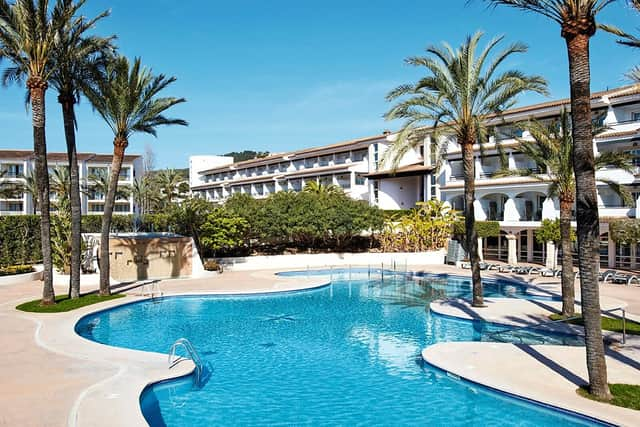
I’m here in mid-September – swapping my usual beach holiday for a mixture of cultural excursions, historic walking tours and a chance to experience a slower pace of life than the hustle and bustle of city life back home.
I’m pleasantly surprised at how warm it is – temperatures here average 27°C in September and can still be around 18°C in November.
My first opportunity to discover Mallorca’s history comes during a walking tour of its capital, Palma, while the warm autumn sun beats down.
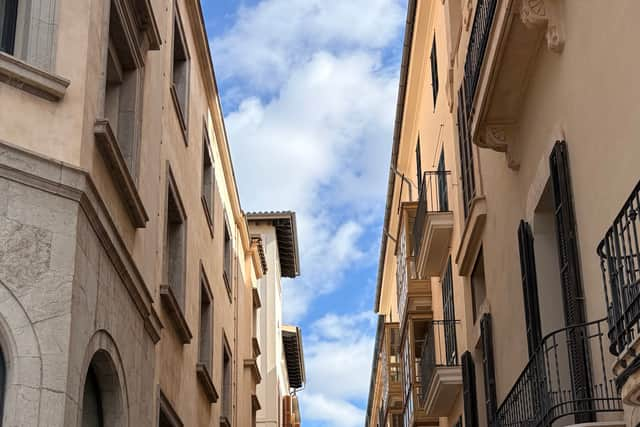
As we make our way through the streets of the old town, centuries-old buildings stand alongside boutique shops, traditional restaurants and art galleries, offering a glimpse into the city’s past and present.
Around one million people live on the island, with nearly half residing in Palma. “Mallorca has become really popular,” Lorena says, now attracting more than 13 million visitors each year.
But beyond the holiday resorts and beaches, Palma has a history stretching back centuries. As we wander past some of the city’s grand old houses, Lorena explains how the majority of the buildings including hotels and galleries, were once distinctly divided according to the social status of their occupants, the first floor typically being where nobility lived.
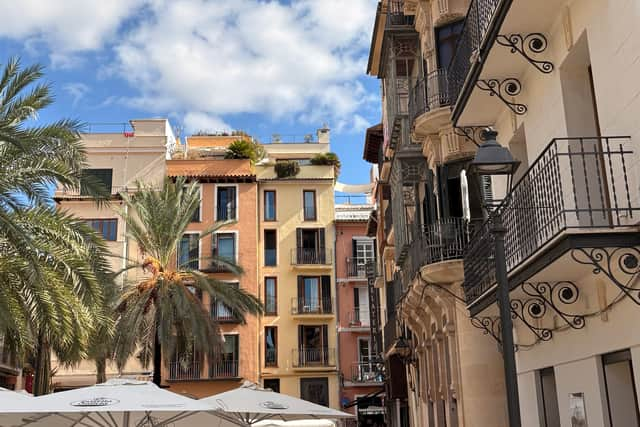
It’s one of several reminders of how Palma has evolved while retaining much of its Roman, Gothic and Baroque architecture.
My visit also coincides with Nit de l’Art 2026, an annual celebration of art and culture celebrating its 30th anniversary this year. The event sees galleries open their doors to visitors, while exhibitions and performances spill out into the streets, so visitors can experience the city’s creative scene alongside locals.
“It’s a day to enjoy the Spanish way of life,” Lorena says.
Towering above Palma’s waterfront is one of the island’s most recognisable landmarks, the Gothic Cathedral of Santa Maria, commonly known as La Seu, and it dominates the city’s skyline.
Construction began in the 13th century, taking 372 years to complete, and its history reflects the religious and cultural changes that have shaped Mallorca.
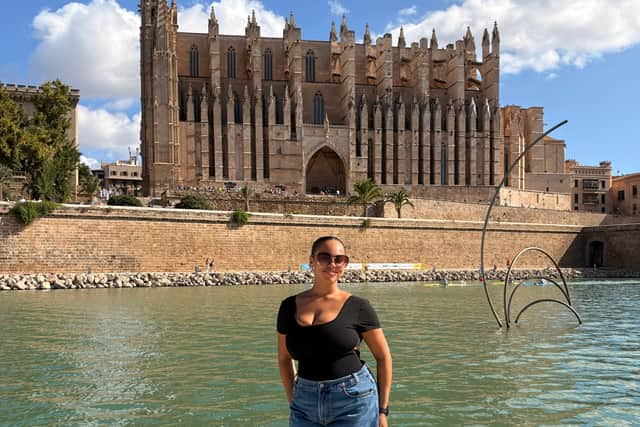
Built on the site of a former mosque following the Christian conquest of the island, the cathedral has architectural and decorative features linked to Christianity, Judaism and Islam.
One of the cathedral’s most impressive features is its enormous stained-glass rose window, which is also at the centre of a long-running architectural rivalry between Spain and France.
Our stop for lunch, the homely Celler Sa Premsa is filled with locals and known for its excellent paella.
Away from Palma’s bustling streets, the Cuevas del Drach, or Drach Caves, located near the coastal town of Porto Cristo, are among the island’s best-known natural attractions.
The limestone caves feature an extraordinary network of chambers filled with stalactites and stalagmites. Visitors follow a winding route through the illuminated caves, passing dramatic rock formations before reaching Lake Martel, an underground lake which provides the setting for one of the attraction’s most unusual experiences.
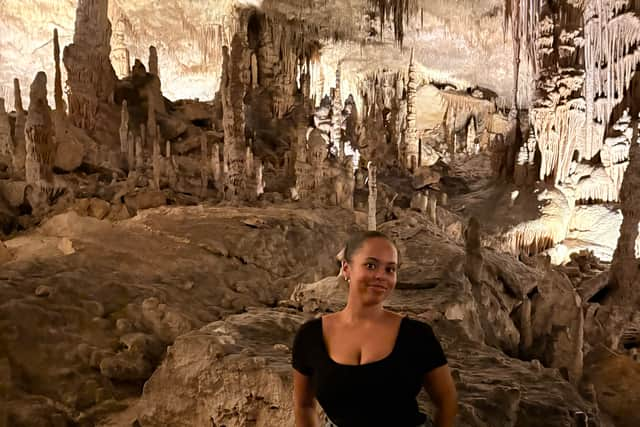
Here, we’re invited to sit in the darkness as musicians perform a classical music concert while they travel across the lake in illuminated boats.
While Palma and Porto Cristo offer plenty of opportunities for sightseeing, the town of Portocolom shows a quieter side of Mallorca. Situated on the island’s south-east coast, the traditional fishing village is known for its picturesque harbour, waterfront restaurants and coastal scenery.
I take the opportunity to explore the area on foot at a leisurely pace, making my way towards the harbour and stopping at viewpoints along the coast, before watching the sunset from a table at Kaikuana Beach Restaurant for dinner.
My base for the trip is Wyndham Portocolom, a newly refurbished resort that reopened in April 2026, and part of IDILIQ Developments.
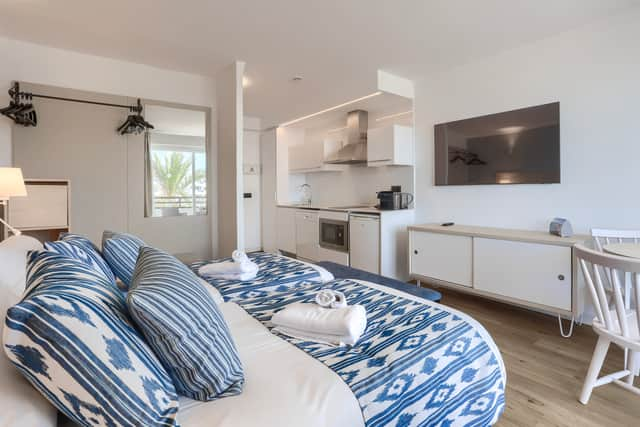
Situated just 150 metres from Cala Marçal Beach, the property combines self-catering accommodation with hotel-style facilities, like a pool and gym, offering a balance between independence and convenience.
Its location also makes it a handy base for exploring Portocolom and the surrounding coastline, with the harbour a 20-minute walk away and plenty of nearby beaches to discover.
From the history and architecture of Palma to the underground wonders of the Drach Caves and the peaceful harbour of Portocolom, there’s plenty to explore beyond the beaches.
And perhaps Lorena was onto something when she spoke about the island’s calming effect.
I came away feeling a huge sense of relaxation and a total reset. Mallorca served as the perfect autumnal get away with the right mix of sunshine, history and good food.
How to book:
Rates at Wyndham Portocolom are from €720 (£625) for a seven-night stay for up to six people. For more information or to book, visit: wyndhamportocolom.com.