
Man told he had cancer at 18 and might not survive night reunites with doctor who treated him more than four decades ago
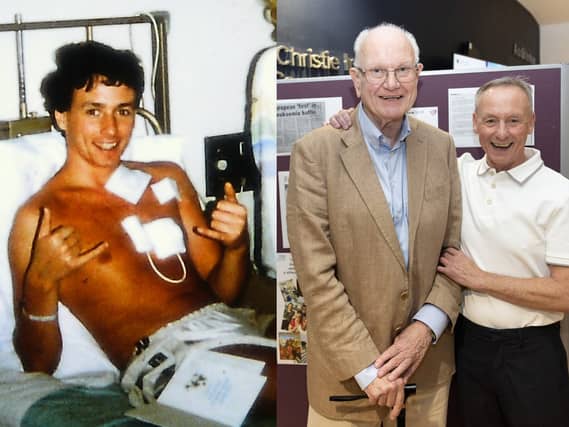

Derrick Derbyshire was diagnosed with acute myeloid leukaemia, aged 18, and told his chances of survival were slim.
A man who was diagnosed with cancer as a teenager and told he might not survive the night or live to see his 21st birthday has reunited with the doctor who treated him more than four decades ago.
When Derrick Derbyshire was admitted to The Christie NHS Foundation Trust with acute myeloid leukaemia (AML) in March 1982, aged 18, he was bedridden and barely able to walk, and his parents were warned he might not survive the night.
He was admitted to Ward 12, where he came under the care of a young consultant, Dr Howard “Howie” Scarffe, now 79, who would later become the founding head of the Adult Leukaemia Unit (ALU) at The Christie.
Derrick was later told that, without a bone marrow transplant, he would be unlikely to reach 21, but after chemotherapy and thanks to his pioneering team, he underwent the transplant in September 1983.
On top of this, Derrick was told he would most likely never have children due to the impacts of his treatments, but he and his wife Tracey welcomed two sons naturally.
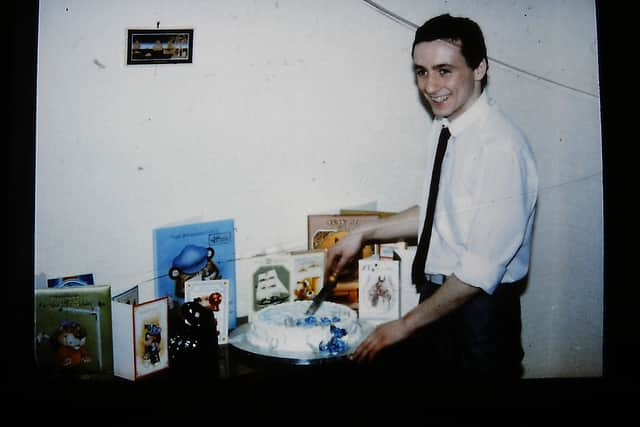
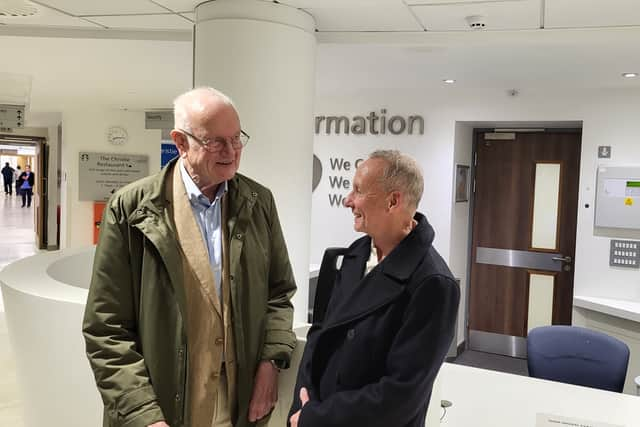
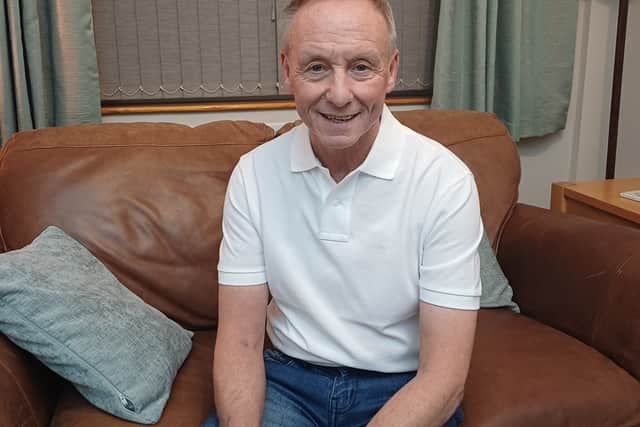
Now 63 and living in Davyhulme, Greater Manchester, as a retired manufacturing engineer and school facilities manager, Derrick has reunited with Howie who treated him more than 40 years ago.
Derrick told PA Real Life: “At the end of the day, I could have died, but I didn’t, and I survived to have a bone marrow transplant.
“I was told that, most likely, we wouldn’t be able to have children, but then children came along.
“There’s a guardian angel looking after me.”
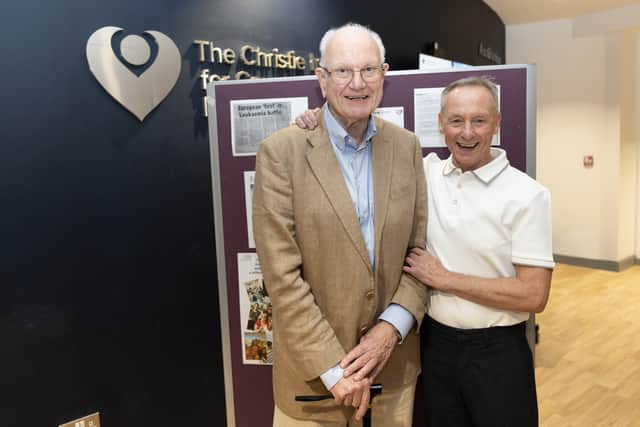
Speaking about seeing Howie in person again after 39 years, Derrick added: “It was an emotional day for me.
“I owe him my gratitude because he was a pioneer, and I was just a patient at a certain time that needed his help. I’ll be forever grateful for Howie.”
Prior to his diagnosis, Derrick was always active, playing sports such as football and squash and training for marathons, and described himself as “a fit 18-year-old”.
He said: “I had never been in hospital in my life.”
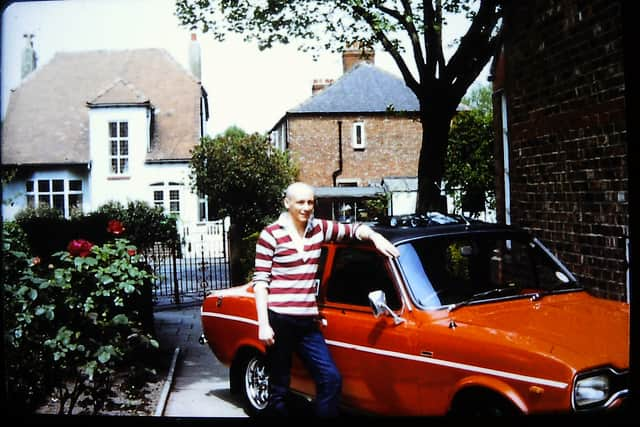
Over time, however, Derrick noticed his training became harder, he felt more tired, he lost weight and he experienced sickness.
While he did visit his GP on numerous occasions and was prescribed antibiotics, he said leukaemia was not “on their radar” and he just thought he was tired and not “feeling too well”.
“It was bizarre, really, because I just had no idea and my parents had no idea,” he said.
“But unfortunately, it got to a situation where I was bedridden and I couldn’t walk. I found it difficult walking from my bedroom to the bathroom.”
At this point, Derrick’s mother called for an ambulance, and he was transported to Trafford General Hospital, before being transferred to The Christie, a specialist cancer centre, in Manchester.
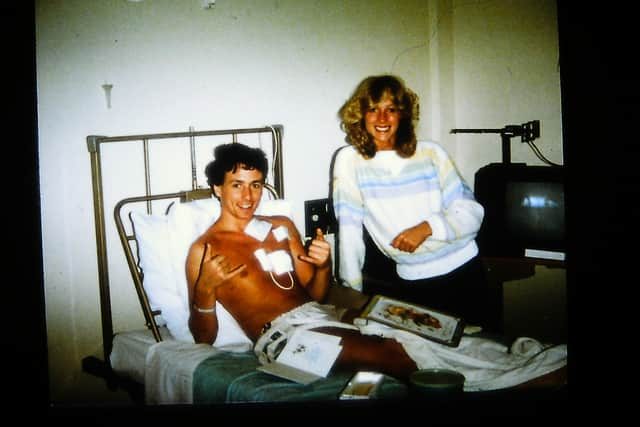
He was then officially diagnosed with AML – a rare type of cancer which affects the blood and bone marrow – in March 1982 and, due to being “in a bad way”, his parents were told his chances of survival were slim.
“The conversations at that time were very different with my parents than me. They didn’t want to lump any more stress on me,” he said.
“It was only years later, when speaking to my parents, that I learned doctors didn’t expect me to last very long.”
After being stabilised, Derrick said he was “blasted” with “very aggressive” chemotherapy treatment, which caused him to become “very weak and feeble” and experience sickness and hair loss.
At this point, Derrick was under Howie’s care, and he remembers one “memorable” story on the ward.
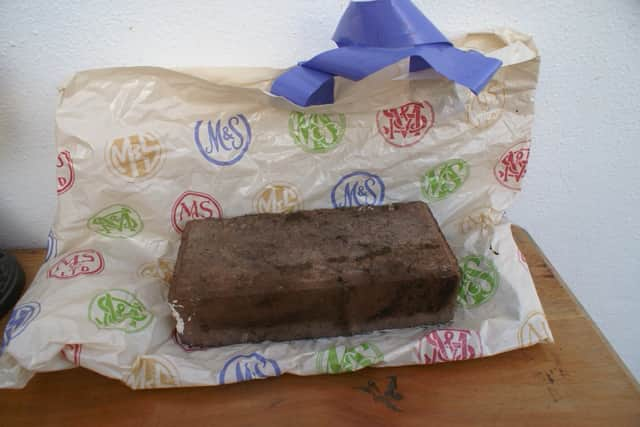
Howie said: “Instead of just letting his hair fall out, Derrick was pulling it out and he was sticking it onto a cardboard urine bottle.
“He made a dog out of it, and he called the dog Dougal after the dog in The Magic Roundabout.
“By the next ward round, he had built a kennel for the dog, so he earned the nickname ‘Double D’ after Dougal the dog, and he then named me ‘Big H’ as I’m very tall.
“The nurses even requested a psychiatric opinion as they hadn’t seen somebody use their hair to make a dog before.”
When Howie first arrived in Manchester in 1974, The Christie did not have a specialist leukaemia service and did not carry out bone marrow transplants.
Acute leukaemia patients were treated on ordinary wards, often with limited facilities and staffing compared with modern standards, but as referrals increased, clinicians and researchers began developing plans for a dedicated service.
Working alongside colleagues including Professor Derek Crowther, Dr James Chang, Dr Godfrey Morgenstern and consultant radiotherapist Dr David Deakin, the team helped establish one of the North West’s earliest adult bone marrow transplant programmes.
This was life-changing for Derrick as he had relapsed after chemotherapy and was told a transplant was his “only chance of longevity at that time”.
“If I hadn’t had a bone marrow transplant, I probably wouldn’t have made my 21st birthday,” he said.
“I just had this ability to think, ‘This is the next stage. Let’s just keep positive and let’s keep fighting’.”
Doctors identified Derrick’s younger brother Robert as an excellent donor match, and a bone marrow transplant became possible in September 1983, with plans advancing for a specialist leukaemia and transplant unit at The Christie.
Derrick likened the transplant to a “Nasa space launch”, as he said the procedure was in its “infancy” at the time, and he remained on his own in an “isolation tent” for around 22 days.
He said he stayed in bed, surrounded by plastic screens, while clean air was filtered into the tent to help avoid any infection.
When the plastic screens were taken down and he was told the transplant was working, he said this felt “surreal”.
“It was an emotional time,” Derrick said.
“I’d been in this isolation tent, and all I could hear was the hum of the filters, and now I could hear the nurses shuffling up and down the wards.
“I’d been cocooned and protected for all this time, and now it was like everything was going in the right direction.”
Derrick continued to have check-ups after his transplant, and he later ran the Manchester Marathon in 1985 with his brother Robert to raise money for the new unit.
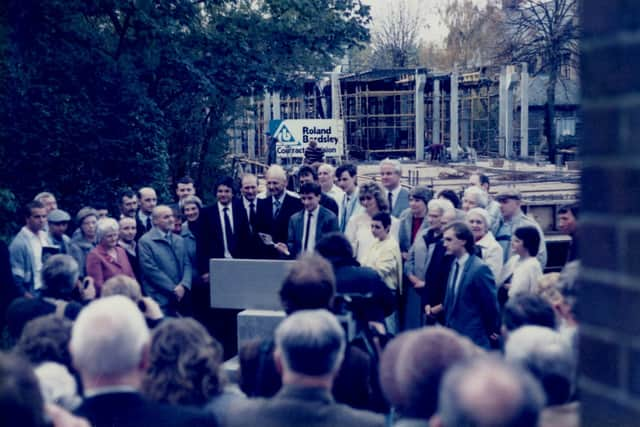
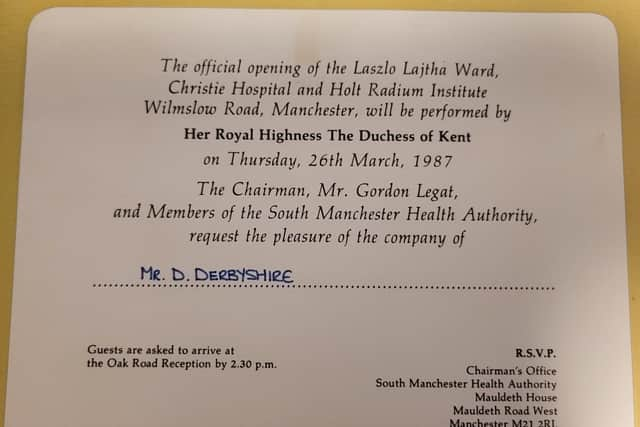
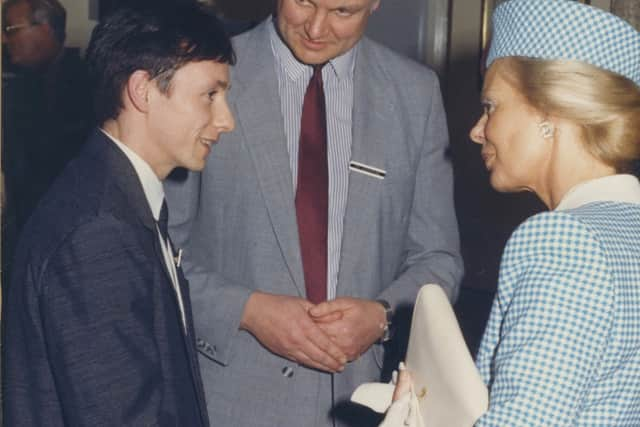
After Derrick lay the foundation stone for it in 1985 when building work began, the Adult Leukaemia Unit opened in 1986, and Derrick was among those welcoming the Duchess of Kent for an official opening in March 1987.
“It was superb because this was the first time they had a dedicated unit,” Derrick said.
Derrick then married his wife Tracey, gained a degree in engineering and, despite being warned that treatment might make fatherhood unlikely, he went on to have two sons, now aged 21 and 15.
The couple even went through IVF treatment and experienced two miscarriages, but they conceived both children naturally.
“The drugs basically destroyed my ability to father children,” Derrick said.
“They would never say never, but it was highly unlikely that I’d ever have children, and Tracey and I accepted that.
“Then they came along. It was just superb.”
Tracey added: “Something up there is definitely looking after us.”
Derrick required a heart transplant in January 2016 after developing treatment-related heart disease and is currently awaiting a kidney transplant, with the same brother who donated his bone marrow now being assessed as a kidney donor.
He also started dialysis – a procedure to remove waste products from the blood if the kidneys are not working properly – in April 2025.
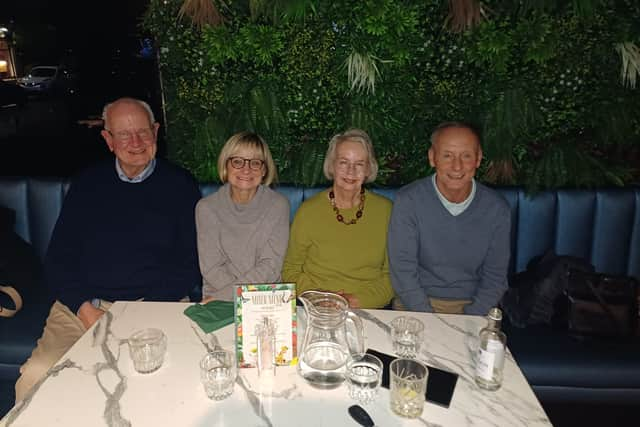
One of the major milestones, however, was meeting Howie again face to face after 39 years, at The Christie’s anniversary event last month, to celebrate four decades of progress in blood cancer care.
Reflecting on the last four decades, Derrick said: “It’s a mix of emotions because, somehow, I came out the other end.
“My advice to others would be, never give up. It’s a tricky road, there are challenges that are thrown in your face, but keep on plugging away and have hope.”
Howie added: “You wouldn’t believe the story, if it wasn’t Derrick.
“Seeing him again was emotional for all of us.
“When I became a consultant, my aim was to cure at least one patient of leukaemia. I later thought Derrick might be that one.”