
Mother left bedridden for months after suffering ‘full mechanical breakdown’ says she couldn’t wash or brush her teeth


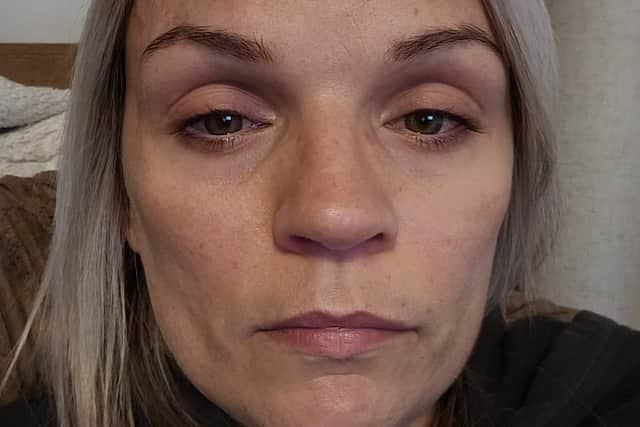
Kelly Jeffery could not brush her teeth or look after her son when she had a nervous breakdown but said having therapy changed her life.
A mother whose severe anxiety led to her being signed off work for more than three months after a nervous breakdown said having up to 100 hours of therapy has helped her understand “how much pressure” she was putting on herself.
Kelly Jeffery, 41, a business operations manager living in Hampshire, said the culmination of a relationship ending and a missed opportunity at work in 2022 led to her having a “full mechanical breakdown”.
As a result, Kelly said she became bedridden and could not wash, brush her teeth or “even look after” her son.

She initially accessed six sessions of therapy through her work that she said only “scratched the very tip of the iceberg” until she started private therapy.
Kelly said her latter therapist helped her go from thinking she was “unlovable, unworthy, not good enough and ugly” to now recognising her “core beliefs” are “completely different” almost four years on.
She believes anxiety is overlooked as a mental health condition that can cause serious illness and said it is “probably more prominent than we think”.
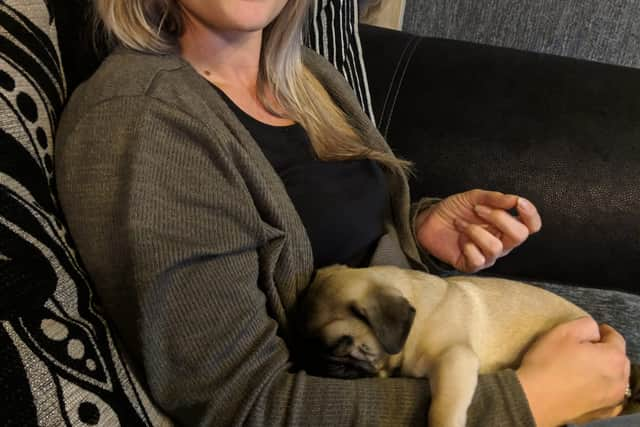
Reflecting on her nervous breakdown in October 2022, Kelly told PA Real Life: “I call it that because I’m an anxious creature by nature, but I had never before reached a point in my life where I couldn’t function.
“Maybe there’s the odd day where you don’t sleep, or a day where you don’t quite feel well enough to go to work because you’re a bit jumbly in the nerves.
“But I could barely even look after my child, and I could barely even get out of bed to wash or brush my teeth.
“It was a full mechanical breakdown of a human being and it shocked the life out of me.”
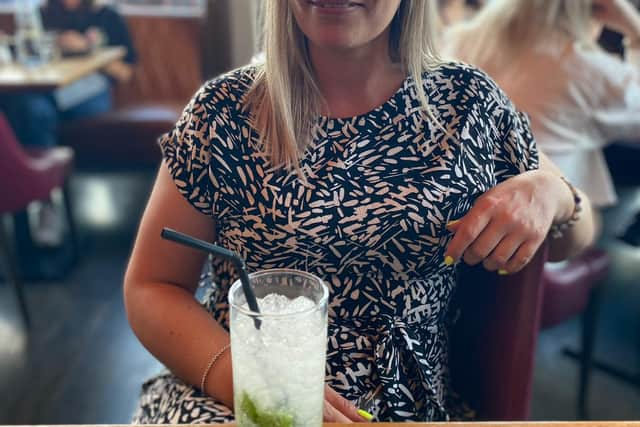
Kelly said she has struggled with anxiety her whole life, but she thought everyone else did too and that they “just dealt with it”.
For Kelly, it showed itself as “imaginary scenarios” where she tried to predict what other people were thinking of her and then would worry about those things.
She said: “It was reading every situation that you’re in, with your guard up in every moment, and comparing yourself to every person.”
Kelly said anxiety in educational and professional settings seemed manageable throughout her early years, but personal relationships with partners were “much harder” because she would be “stressing over where they are, what they’re doing or who they’re talking to”.

This meant that Kelly was often labelled a “very emotional person” or a “cry-baby”, which would bring on physical symptoms of anxiety too.
Kelly said: “I suffered physically with a feeling of dread, trembling hands, cold sweats, a heaviness in my stomach, feeling sick and actually sometimes physically being ill.”
When her relationship ended in 2022, Kelly said it was “largely amicable” but she needed to take “a couple of weeks off from work” to sort out logistical things like the mortgage and furniture while her ex-partner moved out.
As a newly-single mother, Kelly said she felt pressure to excel at work so that she could provide financially for her son.
By October 2022, she said she was due in front of an interview panel at work to discuss a promotion, but she said the anxiety had “already started bubbling” weeks in advance.
Kelly accessed six free sessions of therapy through an employee assistance programme, but said they “didn’t really get much further” than her “offloading everything” that she was finding difficult.
She said: “We just scratched the very tip of the iceberg.
“I don’t know that we really got to do very much actual mending of any of my thought patterns.”
Towards the end of the six weeks, Kelly said she had the interview panel, which concluded they would not be progressing with the greenlight for a pathway towards promotion for her at that time.
With the pressure she had placed on herself to get the accompanying salary increase, Kelly said this rejection folded her “like a deck chair” and she suffered a complete nervous breakdown.
She said: “It took the wind out of my sails completely… it just destroyed me.
“In my mind, I heard, ‘You failed and you’re not good enough’.”

As soon as she received the news, Kelly said she had to be signed off work and she ended up not going back for three-and-a-half months.
Within that time, Kelly said she could “barely get out of bed” and she “wasn’t taking care” of herself properly.
She initially tried to shield her son from how she was feeling, adding: “I’d get him off to school in the morning and then go straight back to bed.
“I’d stay there for most of the day, then get up just before he came home and try to make everything look normal.”
According to mental health and addiction treatment provider Priory, 46% of women say cost-of-living or financial pressures have impacted their mental health in the last 12 months, while 21% of working-age women say job insecurity or pressure at work has impacted their mental health too.
Once she finished her six weeks of free therapy, she switched to a private medical scheme.
This is how Kelly met her latest therapist, Paul Regan, whom she describes as the person who “changed (her) life”.
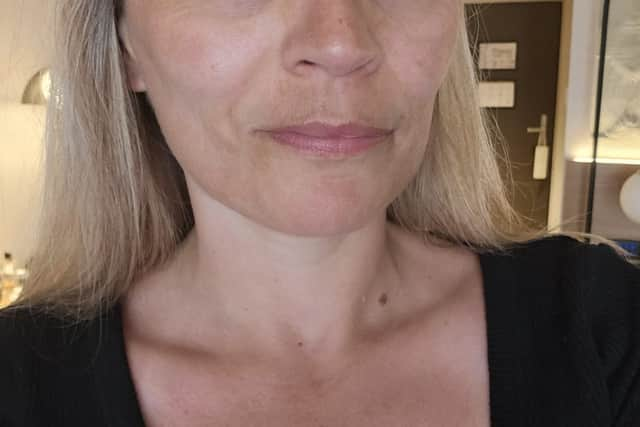
Initially in weekly sessions from November 2022, Kelly said: “I went into therapy thinking I was unlovable, unworthy, not good enough and ugly.
“I came out of that now with core beliefs that are completely different and I’m not focusing on my outward appearance.
“There are so many things that I’ve learnt about myself through this process that I would never have known.”
Kelly said her therapist estimates she has had up to 100 hours of online-based therapy since 2022, including moments when she has experienced wobbles with her mental health.
These include a period in mid-2023 when she was feeling particularly anxious about a relationship, and she said she felt “frustrated” with herself for falling into old thinking patterns.
Kelly said: “I’d called my therapist (Regan) one day from a service station… and I said, ‘Please help me, I don’t know what to do’.
“The only thought I had in my head every time I passed a lorry (while driving) was (swerving) and that would be that.”
Kelly said therapy has helped her put things into perspective and it is “genuinely the best thing” she has “ever done” because of how much she has learned about herself.

Looking back on how far she has come, she said she is “really proud” of herself and “very grateful” to have the support she has had.
Kelly added: “Therapy will be the best thing you ever do.
“That’s my message to people – if you really commit, it can make all the difference.”
With anxiety and depression rates rising across the UK, mental health and addiction treatment provider Priory has launched a new campaign, Support to Find your Way, with free self-care resources and professional support available via their website: https://www.priorygroup.com/findyourway
Call Samaritans for free on 116 123 or visit samaritans.org