
Mother of boy, 13, who died of undiagnosed diabetes says she has saved 23 people by sharing four major warning signs
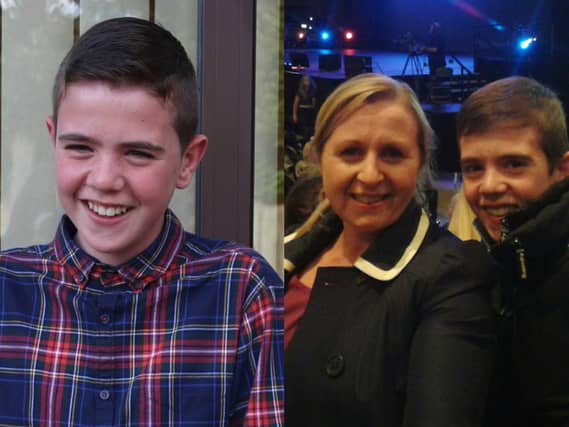

Beth Reynolds said her son Peter had a chest infection that ‘masked’ the major warning signs, known as the 4 Ts – toilet, thirsty, tired and thinner.
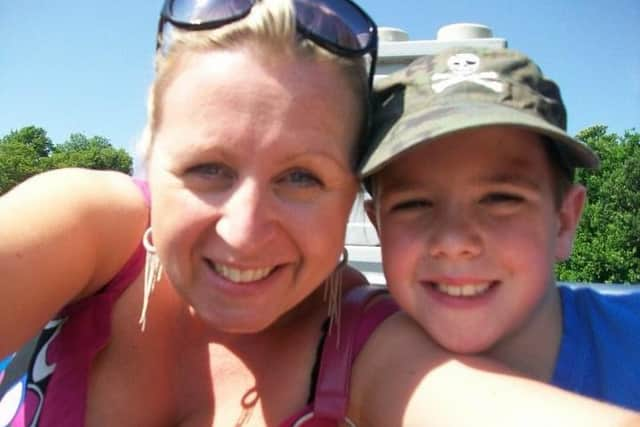
A mother whose 13-year-old son died as a result of undiagnosed Type 1 diabetes said she made a promise to him to share his story so “his death would not be in vain”.
Beth Reynolds, 47, a leadership and management coach from Cardiff, said her son, Peter Baldwin, displayed “absolutely all” of the major warning signs in hindsight, known as the four Ts – toilet, thirsty, tired, thinner – but flu-like symptoms at the time “masked” his diabetes.
When Beth took Peter to a GP on New Year’s Eve 2014, they accurately identified a chest infection and prescribed antibiotics, but her son’s condition worsened over the next 24 hours.
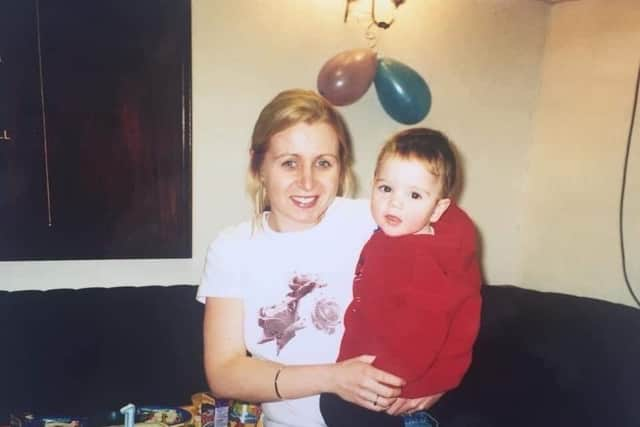
After calling 999 on January 1 2015, Beth said a first responder “took one look” at Peter, put an oxygen mask on him and pricked his finger to be able to say with almost certainty that he had type 1 diabetes and he was in diabetic ketoacidosis (DKA).
It is a life-threatening medical emergency that sees the body break down fat when it does not have enough insulin, causing harmful chemicals called ketones to build up and make the blood dangerously acidic, according to Diabetes UK.
Peter was rushed to hospital on New Year’s Day 2015 and fell into a diabetic coma, before he died on January 6 2015.
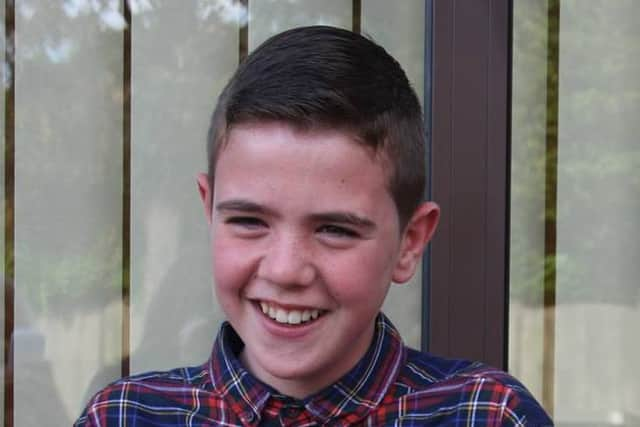
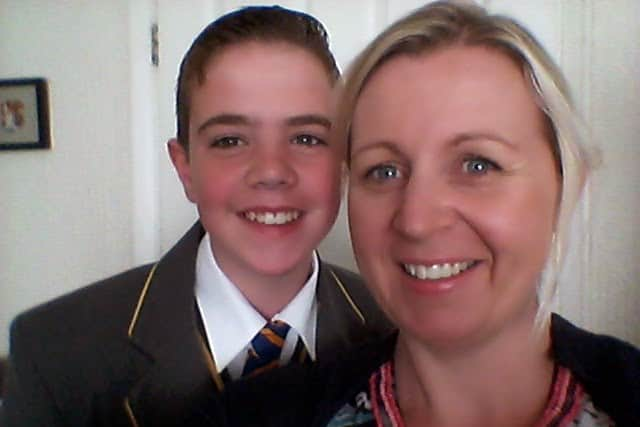
Beth, who is also a mother to Lia, 20, and Finley, five, told PA Real Life: “I promised Peter that his death would not be in vain and I would try to save as many other kids as I could in whatever way that looks like.
“I have a voice and I choose to use it for Peter.”
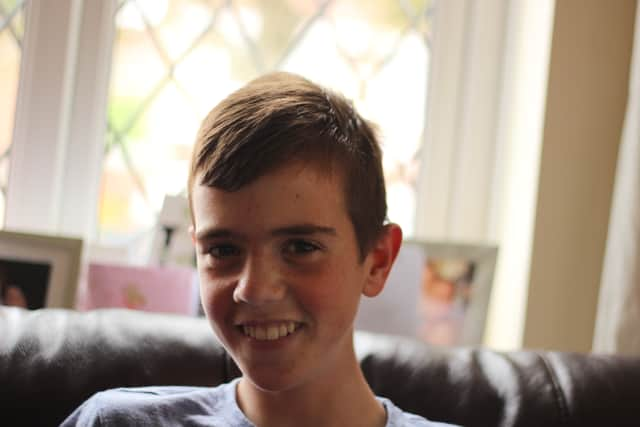
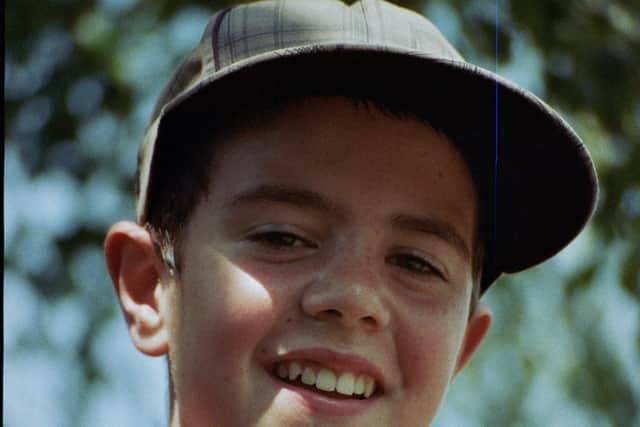
Beth remembered her son as a “super happy child” and the “most amazing young man” with a “bright future”.
With no family history of diabetes, Beth described Peter’s health over the years as having “the odd cough and cold” but there were “no issues and no long-term health conditions”.
“He hardly missed any school due to sickness, he was healthy and he ate really well,” Beth said.
She did not realise it at the time, but the first symptom of diabetes that Peter displayed was increased thirstiness while on a school trip to Germany in mid-December 2014.
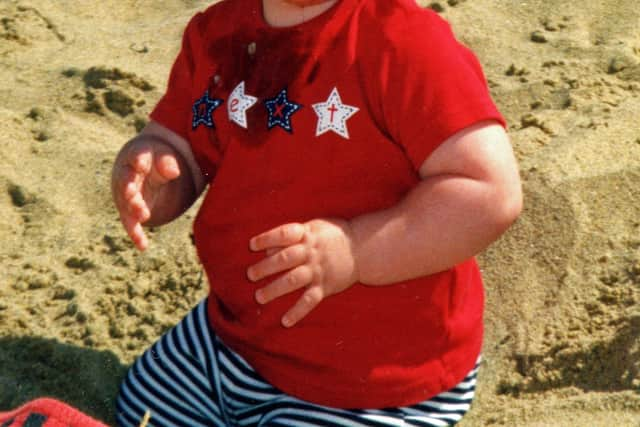
Beth said she has still got text messages from Peter where he remarked “I’m really thirsty, mummy” and she encouraged him to drink more water.
When he got back from the trip two days before Christmas, Peter had a cough and cold that Beth said progressed to being “very flu-like”.
“The classic symptoms – toilet, thirsty, tired, thinner – he had absolutely all of them, but you could tick a box to (explain them away).
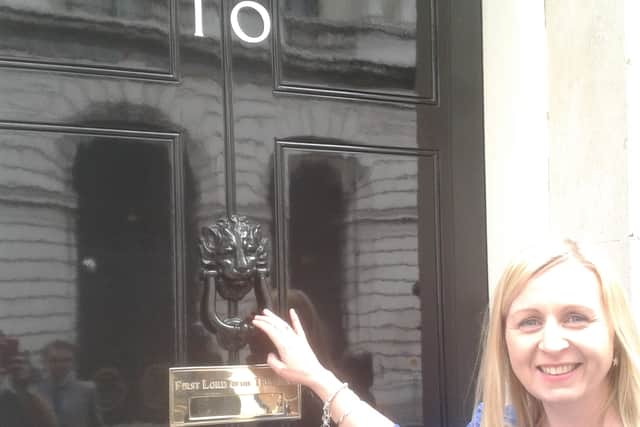
“He’d lost a bit of weight because he had a growth spurt in puberty, he was drinking more because he was unwell, he was tired because he was unwell and he was going to the toilet more because he was drinking more because he was unwell.
“Unbeknownst to us at the time, these were all classic signs.”
On December 31 2014 – after almost two weeks of sickness with no improvement – Beth took her son to a GP, where he was diagnosed with a chest infection and given antibiotics.
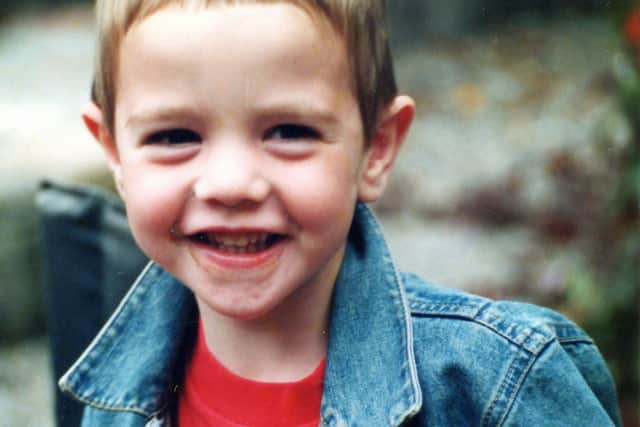
Despite starting the antibiotics that same evening, Beth said Peter woke up on New Year’s Day “still not very well and quite lethargic”.
“By the time it got to 4pm, I knew something was really not right,” Beth said.
She called 999 and relayed Peter’s symptoms of breathing difficulties and lethargy, to which it was initially suggested Beth should simply continue to monitor her son’s condition and take him to an out-of-hours GP.
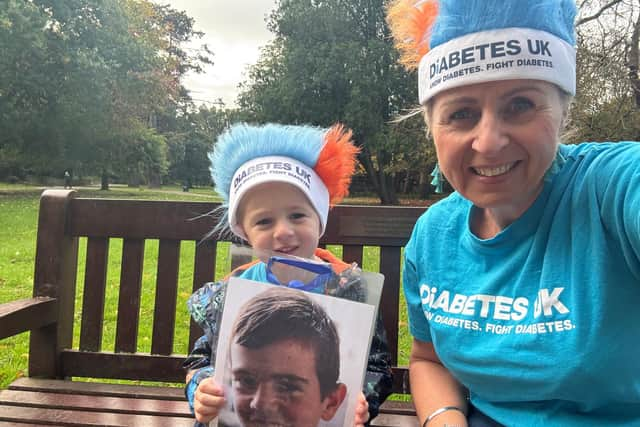
But Beth said she “stuck to (her) guns” and insisted a first responder came to check on Peter.
“I believe he would have died that night at home if we hadn’t gone to hospital,” Beth said.
The first responder came within five minutes, checked Peter’s vital signs, did a finger-prick blood test, then theorised Peter most likely had type 1 diabetes and was in DKA.
Type 1 diabetes is an autoimmune condition affecting more than 350,000 people in the UK, according to Diabetes UK.
It can affect anyone at any age and it occurs when the body’s immune system attacks and destroys insulin-producing beta cells in the pancreas, meaning they can’t produce any insulin.
It cannot be prevented and there is currently no cure. Treatment is lifelong and involves insulin delivered by injection or pump.
The first responder immediately radioed for an ambulance and when Peter arrived at the University Hospital of Wales, he was rushed to the high-dependency unit.
That is where Beth said she was told her son’s condition was “very serious” and his body was in “shut down mode”.
Over the next five days, Beth said Peter suffered a cardiac arrest and was resuscitated while in surgery, he fought “numerous infections” and he was on dialysis at one point too.

By January 6, Beth said a doctor revealed a scan of Peter’s brain showed “no activity” and they apologised that there was “nothing more they could do”, so Beth and Peter’s father, Stuart, should say their final goodbyes.
Beth said: “He was wheeled into a side room in the children’s unit… then we climbed into bed with him.
“We just laid with him while they switched the machine off and we told him how much we loved him, how much he was going to be missed and what an amazing young man he was.”

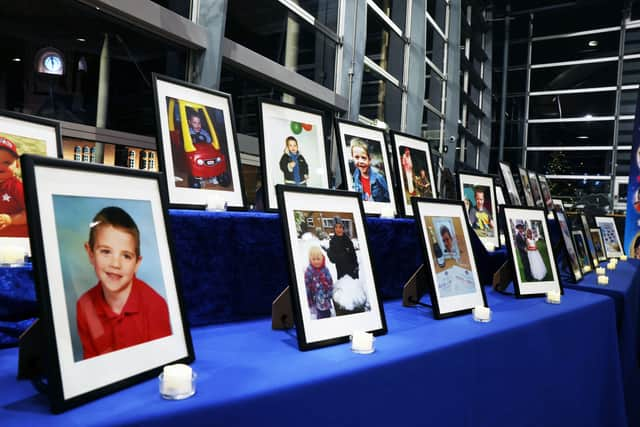
The family had a celebration of life on January 22, where they did a guard of honour and balloon release in Peter’s memory.
Instead of flowers, Beth asked family and friends to donate money to Diabetes UK Cymru and she raised over £10,000 in two weeks.
“It was a testament to how loved Peter was by the community,” Beth said.
In the years since, Beth has shared her story to help raise money for the charity and awareness about the dangers of type 1 diabetes.
In 2023, Beth said she organised a national campaign called Rewrite Peter’s Story, sending a box of resources to “every single GP practice in Wales” to put the warning signs of type 1 diabetes on the top of their radar.
“We’d have had a 24-hour headstart had the GP just pricked his finger,” Beth said.
Colette Marshall, chief executive at Diabetes UK, told PA Real Life: “A type 1 diabetes diagnosis should never start with a medical emergency.
“Yet every year, hundreds of UK families face the heartbreaking reality of seeing their children reach crisis point before anyone recognises the condition.
“This World Diabetes Day (on November 14), we’re urging everyone to learn the 4Ts and share the signs with others.”
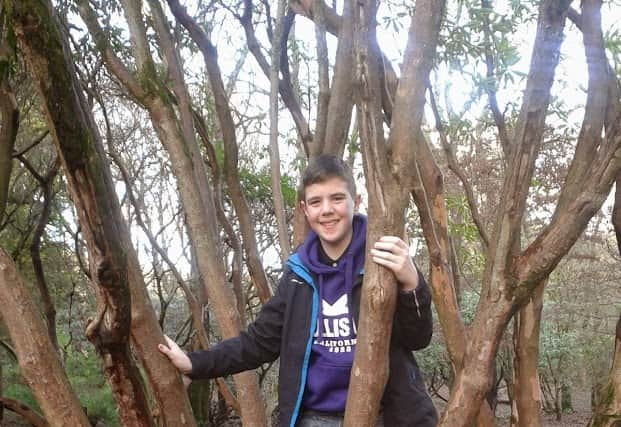
For Beth, it is important to keep Peter’s memory alive by sharing his story.
In fact, since she and her family started sharing Peter’s story over a decade ago, she said they have counted 23 people they have “saved” by sharing the warning signs of type 1 diabetes.
“I’ve got to cling on to 13 years and 27 days of memories of Peter,” Beth said.
“I talk to Peter’s sister and brother about him all the time… and I tell them that if you’ve got a voice you’ve got to use it, because Peter can’t speak for himself anymore.
“So I’m doing this for him.”
Diabetes UK is encouraging everyone to know the 4 Ts of type 1 diabetes, to share the signs with others and help save lives. To find out more, visit the Diabetes UK website:https: diabetes.org.uk/.