
Mother who survived 20 years of domestic abuse by late husband left needing £8k of dental surgery to smile again
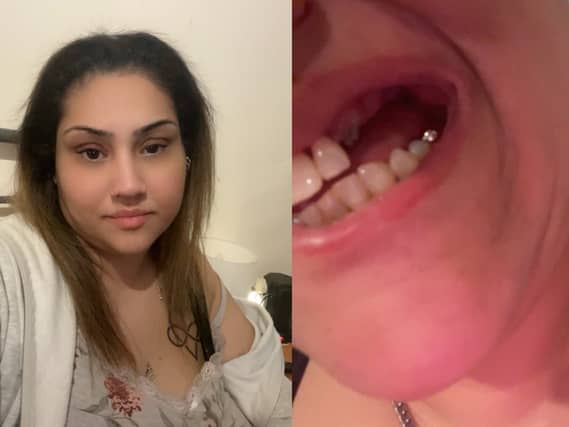

Natasha Black said her husband’s behaviour ‘suddenly’ changed two years into their marriage.
A mother-of-six says more than 20 years of abuse by her late husband – including “beatings”, kicking her while pregnant and monitoring her with cameras – left her with missing teeth, but she hopes dental surgery will help her “move on” and regain her smile.
Natasha Black, 48, a stay-at-home mother from London, said the first two years of her marriage to Abdul were “happy” before his behaviour “suddenly” changed, with anger and alleged drug use.
After confronting him, Natasha said Abdul slapped her and promised it would never happen again, but the abuse escalated into near-daily “beatings”, including kicking her while she was pregnant and shoving her against walls.
She said she lived in fear, isolated from friends and family while he controlled every aspect of her life.
In 2012, she said her dentist revealed the bone supporting her teeth had been broken – which Natasha believed was because of “repeated blows” to the face – meaning her teeth would eventually fall out.
She was told repairs would cost £20,000, but said she could not afford the treatment.
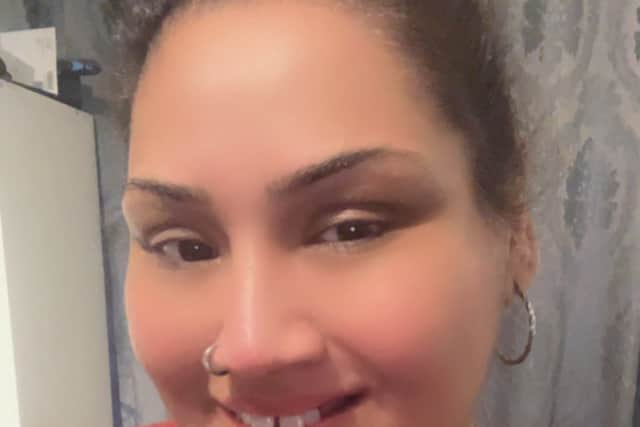
The following year, Natasha attempted suicide but said she realised she needed to stay alive for her children, adding that Abdul never abused them.
Abdul died aged 47 in 2021 from Covid complications and Natasha said she struggled to believe he was gone, recalling how she sat beside his body expecting him to “wake up and start shouting”.
Now, after therapy and meeting someone new, Natasha hopes dental surgery will remove the lasting physical reminders of the abuse.
Natasha told PA Real Life: “Just to be able to smile again outside my house would feel like a miracle, it would make me able to fully move on.
“Everyone looks at me and can see the damage.”
Natasha met her late husband in 1996 at an Asian restaurant. At the time, she was 17 and he was 22.
In the beginning, she said they would both “argue over silly things” and she thought this was “pretty normal”, having seen couples “bicker and shout” when she was growing up.
They got married just one year later, when Natasha was 18, and she said the first two years of married life were “really happy”.
However, after the two-year point, and following the birth of their first child, Natasha said she began to “notice a change” in Abdul’s behaviour.
She said a friend told her that he was taking cocaine, and he was regularly coming home late into the night.
Natasha explained: “There was a lot of shouting, swearing and it was quite scary because he’d get really angry.”
By the time they had two children, in 2000, Natasha said she “spoke up” as she did not want her children to witness it.
“That’s when he slapped me for the first time – I didn’t know how to react to that moment,” she said.
“It was more shocking, I think, but when he hit me, his ring clipped my eye, and I had a bruise on top of my eye.
“He told me it won’t happen again and I believed him.”

But just a few days later, she said, it happened again and the cycle did not stop.
Natasha said the “beatings” tended to occur when her children were at school.
By 2002, she said the slaps had turned into kicks, including kicking her while she was pregnant.
“I just felt worthless, and I believed every horrible thing he said to me. I used to think I did something wrong so I deserved the abuse,” Natasha explained.
By 2005, she claimed he was hitting her almost every day, often reaching for an iron to hit her with.
Throughout this entire period, she said she “felt like a robot”, making him and the family food every day, tidying up, and being “screamed” at.
In 2012, she began to notice her teeth “sliding” and a dental appointment revealed that the bone surrounding and supporting them had been broken, meaning her teeth would slowly fall out over time.
Natasha said the damage was caused by “repeated blows” to the face from him.

She said repairing the damage would have cost £20,000, as she needed implants, so she decided to put the problem to one side.
The same year, she went to work as a teacher in a primary school.
“It was so nice just to get out, because I wasn’t allowed to speak to other people or have friends at home,” she said.
“I was very private about my life at work – the other teachers would plan dinners out and I never got to do what I wanted to do and join them.”
Every day after coming home from work, she said Abdul would accuse her of being with other men, which she strongly denied.
She said: “He actually put cameras up around the house so he could check if I was home when I said I was.
“It made me feel so trapped.”
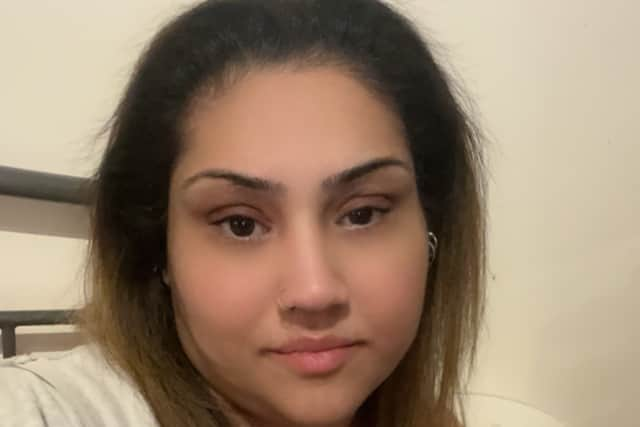
She claimed he would often push her against walls instead of hitting her, which she believes was in case any colleagues saw bruising.
In August 2013, she said she attempted suicide, with one of her children finding her.
“I realised when I looked at my children I can’t do that again, I have to look after myself for their sake,” she said.
Natasha left her job at the school in 2016 after becoming pregnant with twins.
When she told Abdul, she said he was “happy” but expected her to “deal with it all”.
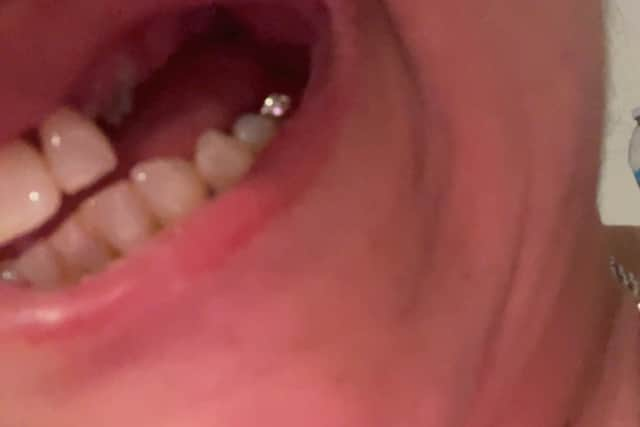
While pregnant, a couple of her top teeth began to fall out, making her feel “ugly”.
After the twins were born, she said she and Abdul had a “really bad fight” and he flew back to Pakistan to stay with family for six months.
When he came back, she noticed that whenever he raised his voice, the twins would “look scared”, so she “withdrew” from him.
“I just did whatever he wanted me to do, but I’d also just try to stay away from him as much as I could,” she said.
She said she “never told” anyone in her family what was happening.
Abdul died with Covid complications in February 2021, aged 47, just a few hours after her father also died.
“I think I felt shock more than anything, and I’m not going to lie, I sat at Abdul’s bed next to his body for an hour, because I thought he was going to wake up and start shouting at me,” she said.
“I walked out of there and I felt like I could breathe again, but I drove home, and was still waiting for them to call me to say he hadn’t died.
“I didn’t cry at the funeral, I just watched to make sure he was in the ground.
“He controlled my life for years and I didn’t know how to live.”

In the weeks after his funeral, she realised she did not know how to “talk to anyone”, manage money or “enjoy life” after being controlled for so long.
She said: “I woke up one day and thought ‘What the hell am I doing?’”
She said after Abdul died, their children went through his belongings and discovered abusive messages to Natasha on his phone, as well as “explicit sexual” messages to other women.
“That’s when they realised he was abusing me for all those years, I didn’t want them to know,” she said.
“It was so hard for them to process – he never abused them.”
In 2022, she began therapy and said it took a year to “understand” that the abuse was not her “fault”.
She also began going to church, became a Christian and “found peace”, finding support within her church community.
Natasha now teaches at a local Sunday school and has found a community, slowly making friends.
She said she has “come a long way” and can tell her “confidence is growing”.
She has recently started seeing someone and said he has helped her “open up” about her past.
But she continues to live with physical scars from the abuse, including a scar from Abdul hitting her with his ring and the iron.
Now, all her top teeth on the right-hand side have fallen out, and she has found somewhere in Turkey that can perform the surgery for £7,800.
She hopes that having the procedure would allow her to “fully move on” with her life.
To donate to Natasha’s fundraiser, visit: gofundme.com/f/the-scars-i-carry.
For support, Samaritans can be contacted for free, day or night, 365 days a year, on 116 123, or visit samaritans.org to find your nearest branch.
For domestic violence support, visit: refuge.org.uk.