
Subtle signs of brain fog in menopausal women – and how to manage it


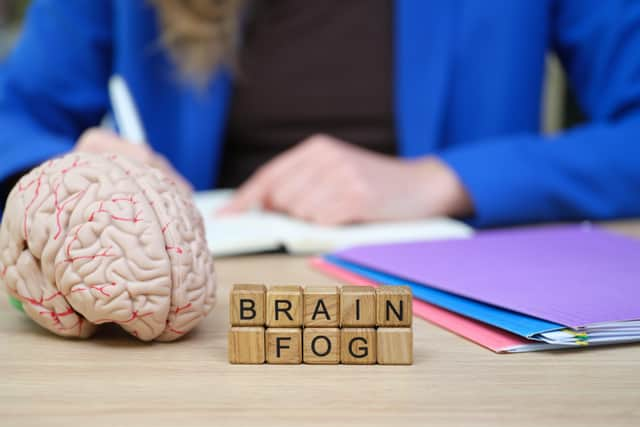
Menopause-related brain fog is a collection of temporary cognitive changes that many women experience during perimenopause and menopause.
Many of us have been inundated by an influx of social media posts, reels and influencer content claiming that testosterone is the ultimate fix for menopause-related brain fog. However, a new study suggests there is insufficient evidence that testosterone can improve memory and cognitive symptoms associated with menopause.
Researchers at University College London (UCL) noted that testosterone prescriptions have anecdotally increased across NHS and private clinics in the UK, reflecting growing interest in its potential role during menopause.
The team reviewed five studies which investigated whether testosterone could improve learning and memory in postmenopausal women. In total, 244 women, with an average age of 57, were given either a placebo or testosterone at varying doses. The studies lasted between four and 26 weeks.
The researchers found no statistically significant improvements in cognitive function among women taking testosterone.
Brain fog is a common but often overlooked menopausal symptom that can affect concentration, memory and confidence.
To find out more, we spoke to Dr Farah Ahmed, women’s health and menopause expert at The Medical Chambers Kensington, about the subtle signs of menopause-related brain fog, practical ways to manage it, and when to seek medical advice.
What are some subtle signs of menopause-related brain fog?

Brain fog can mean different things to different people, but it often presents as forgetfulness.
“For example, struggling to remember where you’ve put your keys or constantly losing things,” says Ahmed. “Sometimes women will also struggle to remember the names of people that they’ve worked with forever.”
An increased reliance on lists could also be a sign.
“I found as well, based on my lived experience, that I’m always having to create lists,” says Ahmed. “I was never a list person, but now I have to write down things as a prompt because if it’s not on the list, it’s not in my brain.”
Often loved ones will pick up on brain fog first.
“They might ask: have you done this? Did you remember to buy that? Did you sort out that appointment?” When this starts to become a pattern, I think that indicates it’s time to seek help,” advises Ahmed.
How can brain fog affect women’s lives?

Ahmed highlights how brain fog can seep into all aspects of a woman’s life.
“Memory is so important in terms of our executive functioning, so brain fog can lead women to lose confidence in the workplace, for example, because they feel that they’re not able to recall things as quickly as they once could,” says Ahmed.
“There lots of research that highlights that many women think about leaving the workplace during perimenopause because they’re not getting the support they need to get them through this transition in the workplace.”
It can also impact relationships.
“As women, we do spin a lot of plates and when hormonal mayhem is thrown into the mix, then plates can start to drop and wreak havoc in your home life,” says Ahmed.
“So, it’s not just a case of being a little bit forgetful. It can have real-life implications.”
What causes it?
“We don’t have the exact data to explain the science behind it yet, but there are a number of theories,” says Ahmed.
One of them is linked to falling oestrogen levels.
“As you enter perimenopause, oestrogen levels are fluctuating and are setting in a downward trajectory and we have oestrogen receptors in every organ of our body, including the brain,” explains Ahmed. “So, it’s a bit of a coincidence that these symptoms are manifesting at the same time as a hormonal transition and decline as well.
“So, we do think that oestrogen deficiency does play a part in reduced cognition.”

However, other menopausal symptoms linked to sleep disruption could also be contributing towards this brain fog.
“Other symptoms of menopause such as night sweats, hot flashes and urinary symptoms, where women are waking up repeatedly at night time because of urinary bladder issues, all contribute to sleep disruption. This level of sleep disruption will have knock-on effects on women’s energy levels in the morning, and how sharp they are in terms of their memory and whether or not they’re firing on all cylinders,” notes Ahmed.
Why do many women not connect brain fog with menopause straight away?
“Many women that I see come in thinking that they’ve got dementia,” says Ahmed.
She adds a lot of women think that because they are still having regular periods they can’t be perimenopausal, which is not the case.
“Women are also very good at masking and blaming other things such as ‘I’m a busy mum, I’ve got three children. I’ve got work to contend with etc’,” says Ahmed. “So, it can be far easier to blame brain fog on other things before we start thinking about menopause.”
Another factor is the discourse that surrounds menopause.
“Everybody seems to talk about hot flashes and night sweats, but other menopausal symptoms, such as brain fog, reduced libido, vaginal dryness and joint aches and pains don’t seem to receive the same amount of attention,” says Ahmed.
What advice would you give women struggling with brain fog?
See a clinician
“If it gets to the stage where it’s having a negative impact on any aspect of your life, then definitely go and see a clinician, ideally someone who has expertise in midlife shift,” advises Ahmed.
However, she says that GPs are always a good first port of call.
“It’s definitely worth saying to your GP, ‘This is how I’m feeling. This is how it’s affecting me. Do you think this could be my hormones or something else?'” advises Ahmed.
Try brain training games
“When you’re in what I call “the rush hour of life” it can be really difficult to have the brain capacity to read a book or do brain training puzzles, but keeping mentally active is really important,” says Ahmed.
Focus on nutritious food rather than supplements
“There are a myriad of supplements available on the market that promise to boost your cognitive function, but none of these claims have gone undergone any robust testing or scrutiny,” says Ahmed, “So, I always take a food-first approach.
“Make sure that you are eating a balanced diet, with plenty of fresh fruits and vegetables, nuts, grains and pulses, that meets your nutritional demands.”
Consider HRT

“Lots of my patients report significant improvements in their executive functioning once they’re on the correct dose of HRT and their hormones have been optimised,” says Ahmed.
“So, I think it’s definitely worth having a chat about hormones because recalibrating the oestrogen levels can really help.”
Is there anything loved ones can do to help?
“Loved ones need to be kind and give women a little bit more slack,” says Ahmed. “It can also be really helpful if family members help divide and conquer tasks to take some of the burden off these women too.
“It would also be great if loved ones could educate themselves about menopause too. There are so many resources out there to learn more about this.”