
West Midlands girl diagnosed with rare blood disorder aged 5 meets stranger who saved her life with stem cell transplant
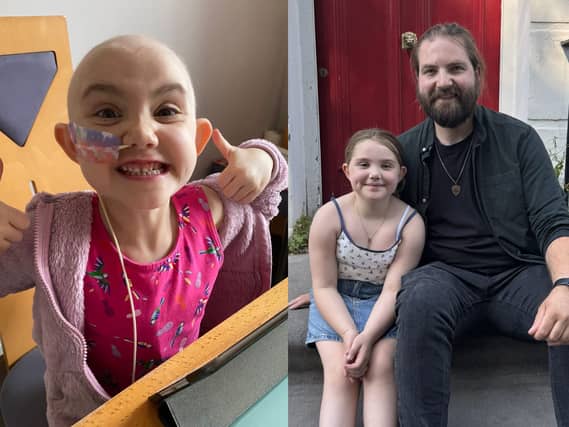

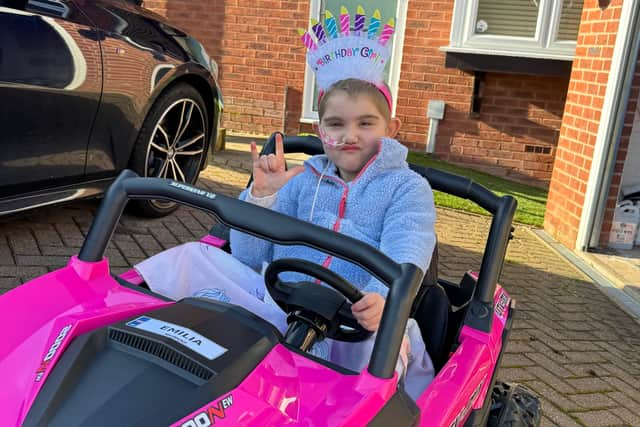
Emilia Mackay was diagnosed with aplastic anaemia and received a stem cell donation from a German man.
A West Midlands girl diagnosed with a rare blood disorder aged five said she was “so grateful” to meet the 33-year-old German stranger who “saved” her life with a stem cell donation three years ago.
Emilia Mackay, now eight, from Redditch in Worcestershire, first presented with what appeared to be a sickness bug and itchy rash in January 2023 that doctors thought might be a virus.
Emilia’s parents, James Mackay, 41, a car sales manager from Birmingham, and Stephanie Mackay, 41, a secondary school teacher from Worcestershire, said their daughter then experienced fatigue and “unexplained” bruises all over her body, so they went back to the doctor by the end of March and Emilia had blood tests.
This revealed Emilia’s platelets were low – meaning her blood was not clotting properly – and she was urged to go to Worcestershire Hospital, where Stephanie said she was led into a family room and told her daughter’s “bone marrow is not working”.
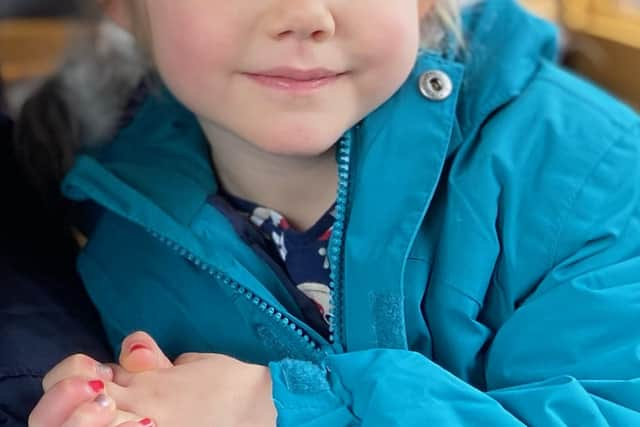
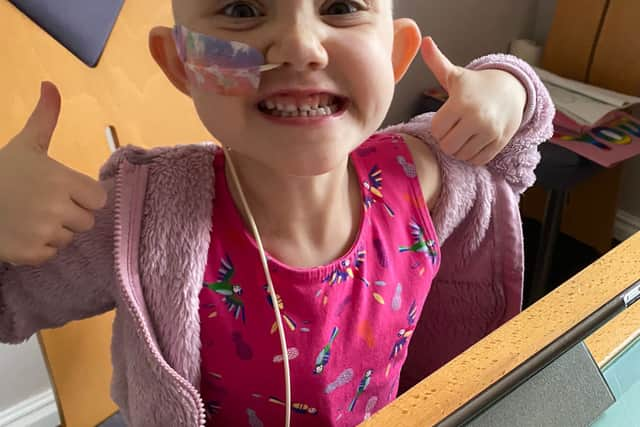
Emilia’s care was transferred to Birmingham Children’s Hospital, where she had a bone marrow aspiration and her rare diagnosis of aplastic anaemia was confirmed in April, aged five.
Aplastic anaemia is a rare and life-threatening blood disorder caused by the bone marrow not functioning properly to produce blood cells, according to the NHS, and although some of the treatments may be similar, it is not classified as a blood cancer.
Emilia’s family was told their only chance of a cure was a stem cell transplant, so they were all tested – including Emilia’s older sister Ellie, now 13 – but none of them were a close enough match.
By the end of July, two full matches were found in Germany and one of them was Jan Koch, 33, an electrical technician who had signed up to be a stem cell donor a decade earlier.
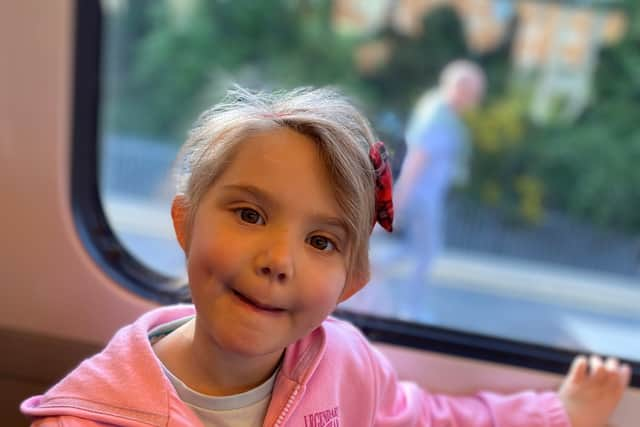
Jan received a letter informing him that he was a match to a girl in England who needed a stem cell transplant and he said he felt it was an “honour” to be “the chosen one” to do it.
After some further tests to check his viability, Jan underwent the procedure and Emilia received the stem cell transplant on September 29, 2023, making a full recovery.
After two years, strict anonymity rules from the charity DKMS were lifted, so Emilia’s family and Jan were given the opportunity to contact each other, eventually deciding to meet for the first time in person in London on July 14, 2026.
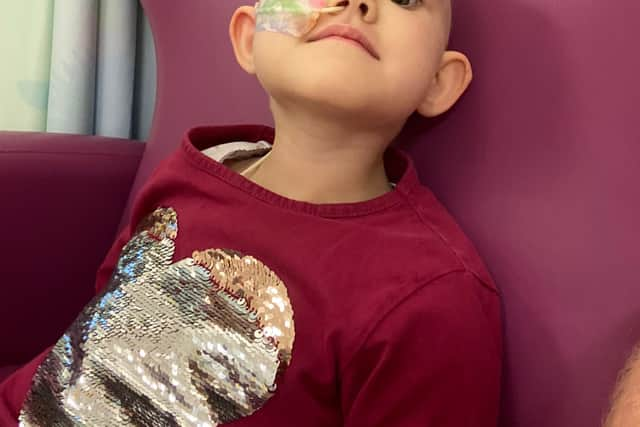
Emilia told PA Real Life: “I felt really excited to meet him.
“It means so much to me because if it wasn’t for him giving me just a tiny bit of bone marrow, I wouldn’t be here right now.”
Jan told PA Real Life: “I’m just happy that I could help… because I think the most important part is to save lives.”
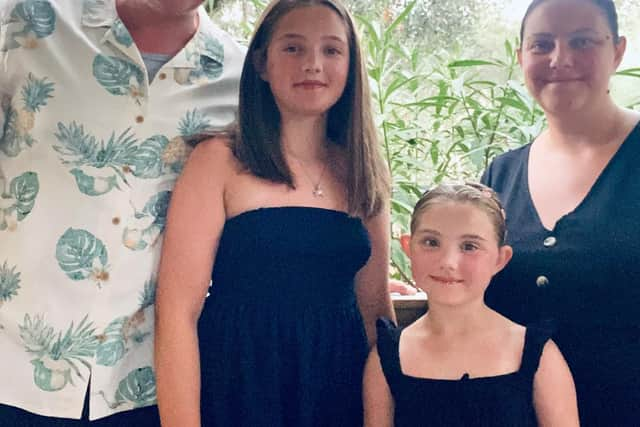
Before her diagnosis, Emilia remembered she used to “cuddle up on the sofa” with her stuffed bunny and have a nap after school, which was unusual for her.
Then when she began bruising more easily, she remembered her mother asking her, “Tell me the truth – if you fell over or if someone pushed you.”
She responded: “No mummy, I really don’t know. They just happened.”
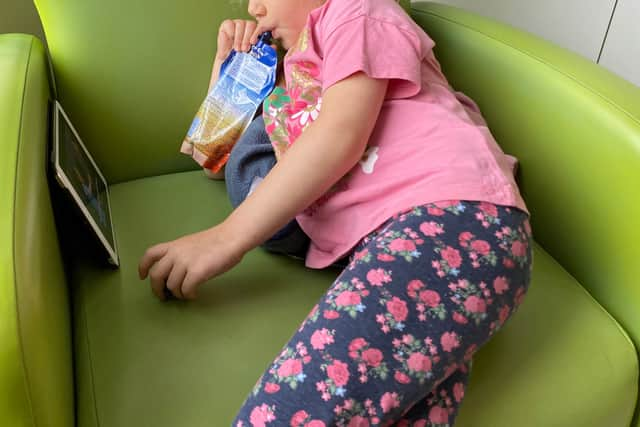
The family took Emilia to her GP twice in early 2023 – once for her initial virus-like symptoms and then again after she developed unexplained bruises, and she had blood tests.
Emilia got her diagnosis of aplastic anaemia in April 2023, and in the aftermath, the family were told Emilia needed to find a stem cell donor. They all did cheek swabs to test for HLA (Human Leukocyte Antigen) characteristics.
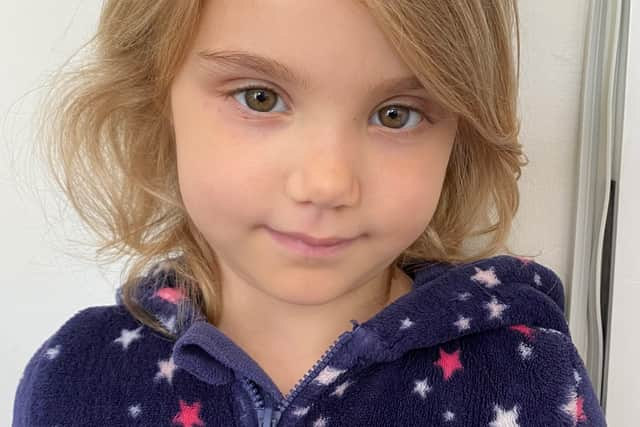
According to the blood cancer charity DKMS, a perfect match would be 10 out of 10 relevant HLA characteristics, but James said the family felt “awful” to find out in May 2023 that they were “all about five out of 10”.
The search was expanded to worldwide donors and by July 2023, they received a letter from DKMS to confirm two matches had been found – both from Germany.
At the same time, Jan was also sent a letter to ask if he would be willing to undergo further tests to check his viability as a donor for an anonymous girl in England.
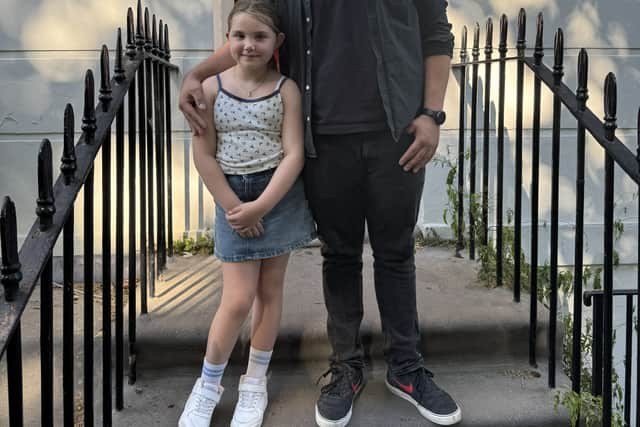
He had previously signed up to the German DKMS registry when he was 20.
“I felt like it’s my duty to do it because I signed up for a reason,” Jan said.
“That’s my opportunity to help someone to save their life.”
A week before his stem cell donation, Jan said he had to self-administer injections in his abdomen to “help generate” replacement stem cells.
For the donation, Jan said he had needles inserted in both his left and right arms, then it “flows and they clean it out of your body”.
On September 29, 2023 – after a week of high dose chemotherapy – Emilia received her stem cell transplant.
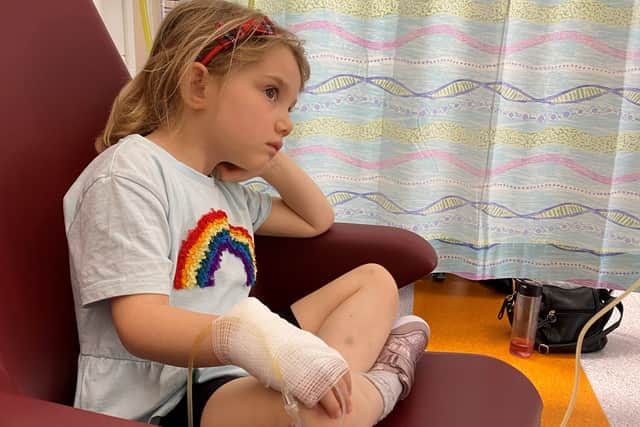
Emilia had to be kept in isolation in hospital with Stephanie for eight weeks, where the mother-of-two said they had a white board to mark results from daily tests.
White blood cells and platelets stayed at zero initially, but Stephanie remembered the pair “celebrating” in the room when Emilia’s white blood cells increased to 0.1.
Emilia’s levels slowly increased over time and she was able to start living her life normally by late March 2024.
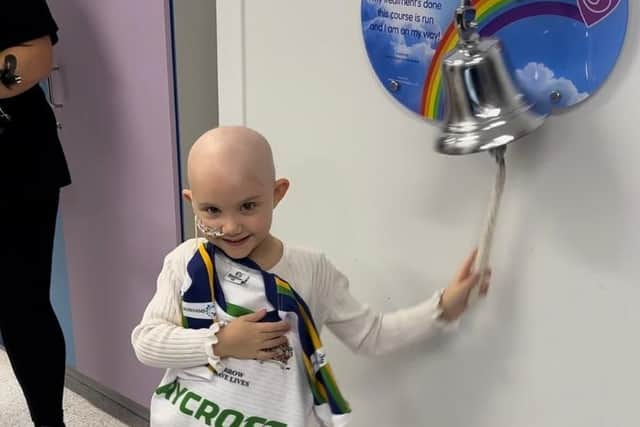
Emilia said: “I was glad to be back at school with all my friends and glad to be dancing all around the house again.”
Six months after the transplant, Emilia’s family were allowed to send an anonymous thank-you card to Jan and by September 2025, they were given the option of sharing contact details.
James exchanged emails with Jan and he had a FaceTime call with him, before they all planned to meet in London in July 2026 for the very first time.
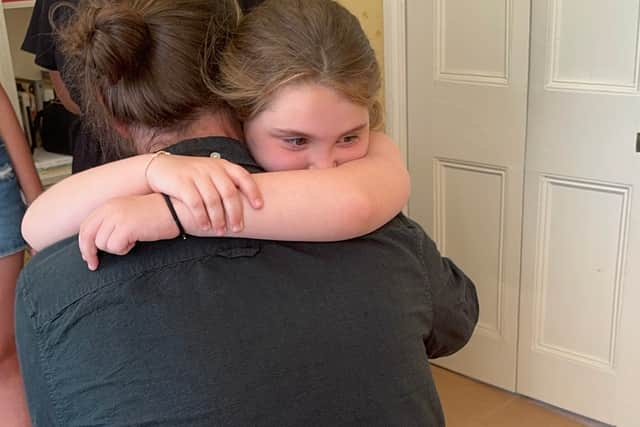
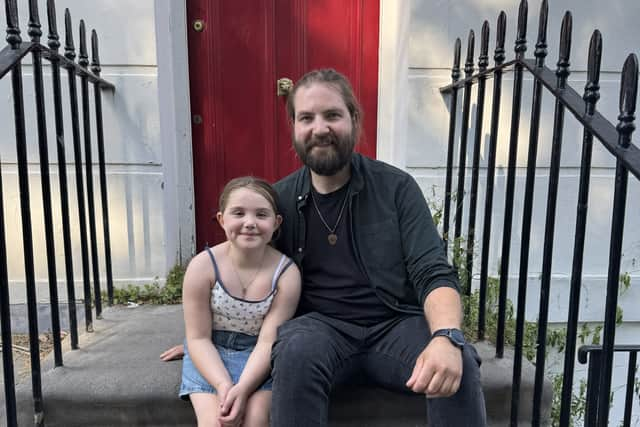
On July 14, Jan walked into the room with the whole Mackay family and immediately hugged Emilia, before they exchanged presents.
Jan then hugged the whole family and, through tears, Stephanie said: “Thank-you so much, you saved her life.
“You don’t know how much that means to us.”
Speaking after the meet-up, James said: “It was an emotional time.
“She ran straight to Jan and hugged him – she knew what he’d done had saved her life.”
Emilia said: “He’s my best friend ever.”
On why it is important for him to share his stem cell donation story, Jan said: “I cannot imagine what kind of pain she has been through – or her parents.
“It’s just a little piece of pain for me, but for them, it means the whole world.”
For more information about DKMS UK, visit their website here: https://www.dkms.org.uk/