
What to look for when buying activewear for Pilates, running and the gym, according to experts
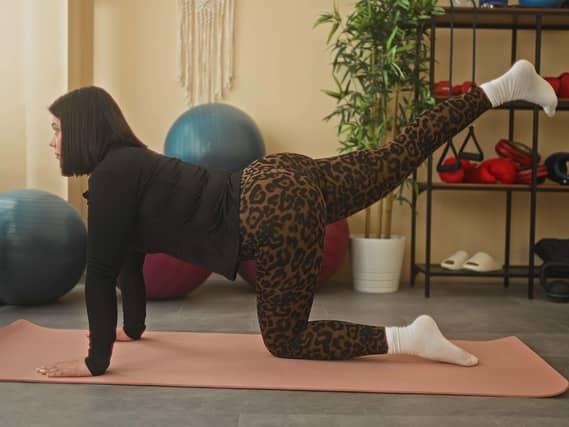

Which technical features are worth paying for? Does different clothing really impact performance? Experts answer the most searched questions.
For many of us, our activewear doubles up as everyday clothing, so when it comes to specific exercises, it’s easy to assume that a good pair of leggings should work just as well for a Pilates class as they do for a 10k run.
According to competitive club runner and founder of the women’s running brand Bimble & Bolt, Hannah Walker-Howard says there are genuine and important differences between activewear designed for different activities.
“Different activities place different demands on clothing, so when activewear is genuinely designed for a particular sport, there should be differences in fabric, fit, compression and construction,” she says.
“There’s plenty of marketing involved, too, and a good pair of leggings can certainly work across multiple activities,” but there are a few technical features that might make your workout easier and more comfortable.
1. Pilates, yoga or Lagree: prioritise softness and flexibility
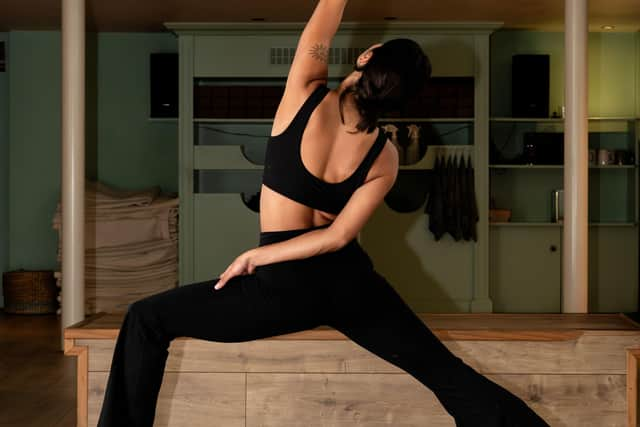
While the rise of Pilates brought with it a boom in matching sets and “studio-to-street” style activewear, it is a low-impact exercise, but the fit of your leggings is still crucial.
Unlike running, Pilates, yoga and Lagree generally involve slower, controlled movements, with plenty of stretching, twisting and lengthening.
As a result, comfort and freedom of movement should take priority over compression and techincal details.
“Pilates leggings tend to prioritise softness, flexibility and unrestricted movement,” says Walker-Howard.
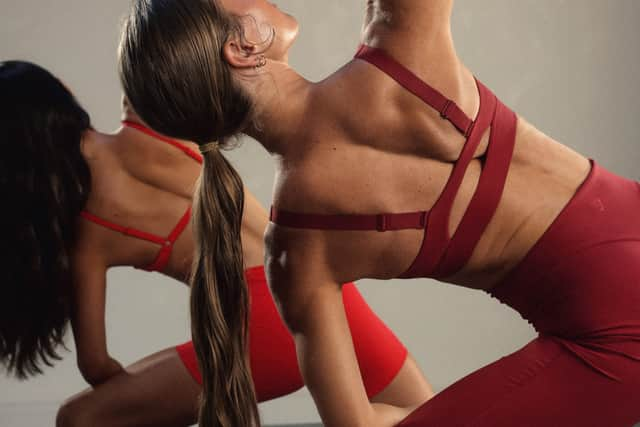
“They often use brushed fabrics with a gentler level of compression, which can feel lovely for lower-impact activities.”
Look for leggings made from soft, four-way stretch fabrics, which allow stretch in both lengthways and widthways – a technical detail not often found in running leggings.
Megan Davis, former fashion buyer, competitive athlete and designer behind women’s fitness wear brand aesene, says a highly compressive pair of leggings designed for running or lifting can feel unnecessarily restrictive during a slower, lower-impact session.
And pockets might seem like a useful addition to any pair of leggings, but they’re not necessarily ideal for Pilates: “For running, storage is incredibly important,” says Walker-Howard. “You might need to carry your phone, keys, gels and other essentials, whereas for Pilates or a gym session, those features are often unnecessary and can actually get in the way.”
Bulky seams and pockets can become uncomfortable when lying on your back or moving through certain positions, so a simpler design may be preferable.
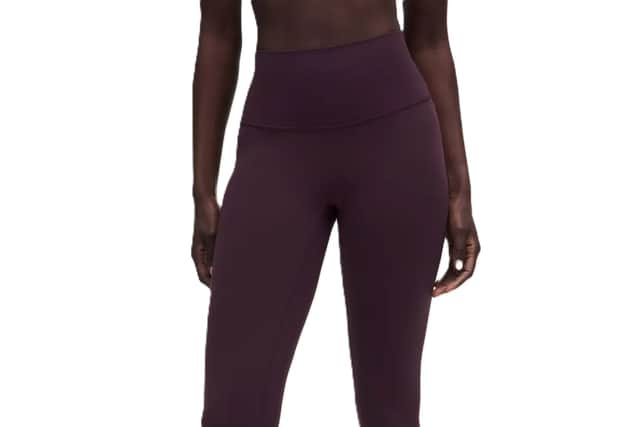
Lululemon Align High-Rise Pant 28″ in Cranberry Brown, £88
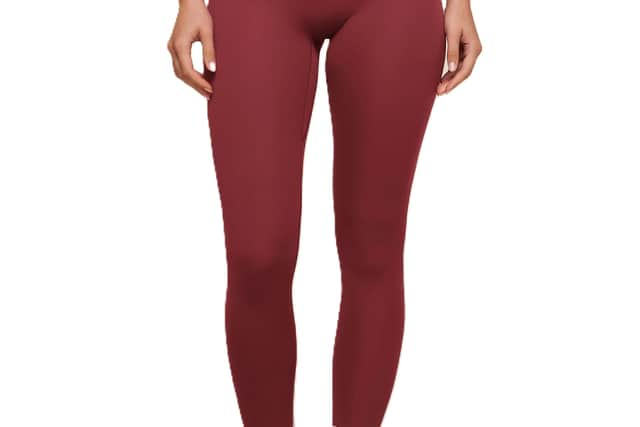
Gymshark SoftSense High-Rise Leggings in Cherry Red, £35 (were £50)
2. Running: look for compression, breathability and secure pockets
What feels comfortable in a Pilates studio won’t necessarily hold up over several kilometres of running.
As a repetitive, high-impact exercise, running puts more demand on clothing, particularly when it comes to support, friction and moisture management.
“Running leggings are generally designed to provide a more secure, supportive fit, often using fabrics with greater compression and recovery to help them stay in place during repetitive, high-impact movement,” Walker-Howard explains.
That doesn’t mean choosing the tightest leggings available. Instead, look for a supportive waistband that stays in place without digging in, alongside fabric that stretches comfortably and returns to its original shape.
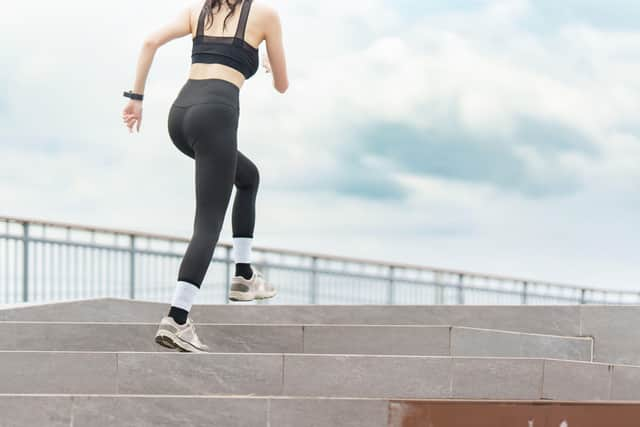
Walker-Howard says she prefers closely knitted nylon-elastane fabric that provides support while remaining breathable and effective at moving moisture away from the skin.
“If you’re running a 10k, half marathon or marathon, you’re repeating the same movement thousands of times,” she says.
“Leggings that slip down, bunch up or move against your skin can be incredibly distracting and may cause chafing.”
Practical details are also important for running, particularly if you’re outside instead or on the treadmill.
Side pockets large enough for a phone, secure zipped compartments and supportive waistbands with adjustable ties can all be great additions.
And while compression is often promoted as a performance-enhancing feature, “more compression doesn’t automatically mean better performance,” explains Davis. “It’s about finding the right level of support for the activity and the individual.”
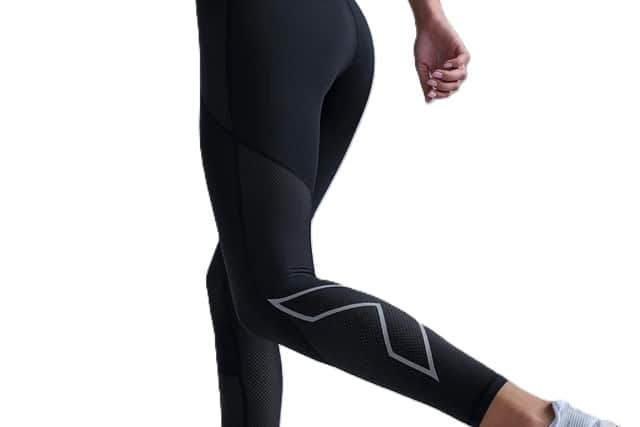
2XU Aero Mesh Hi-Rise Compression Tights with Moderate Compression and Reflective Highlight, £80
3. The gym: choose versatile pieces that won’t restrict movement
“Strength training sits somewhere in the middle [of Pilates and running], depending on the exercises you’re doing,” says Davis.
While lifting weights doesn’t necessarily involve the impact of running, exercises such as squats, lunges and deadlifts require a considerable range of movement.
A four-way stretch fabric can be particularly useful for exercises involving deep bends or changes in position, while a supportive waistband helps prevent leggings from slipping during squats or lunges.
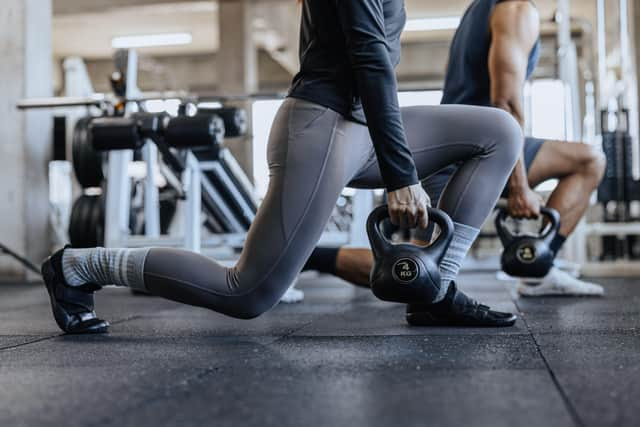
Unlike running, you may not need as many pockets or as much compression, although moisture-wicking fabrics and breathability become more important during higher-intensity sessions.
“Moisture management and breathability become especially important during endurance activities or higher-intensity training, where you’re producing more sweat and body heat,” explains Davis.
“Poorly fitting clothing can also restrict your natural range of movement, particularly if the fabric doesn’t have enough stretch or the garment is too tight in certain areas.”
Rather than buying a separate outfit for every type of gym session, she recommends choosing versatile, well-constructed pieces that suit the exercises you regularly do.
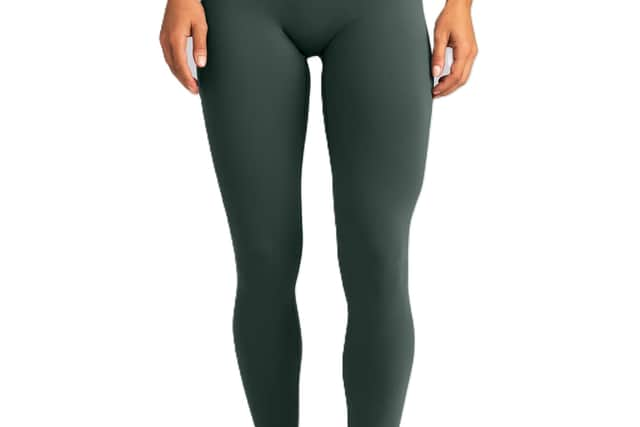
Oner Active UnifiedMove V-Front, Mid-Rise Leggings in Shadow Green, £50.40 (were £56)
4. Sports bras: match the support to the workout
While you can stretch a pair of leggings over several different activities, sports bras are one area where the experts recommend paying close attention to the type of exercise you’re doing.
“Sports bras are probably one of the clearest examples of why activity-specific design matters,” explains Davis.
“Running and HIIT are very different. The repetitive bouncing and multi-directional movements mean breast support becomes much more important, both for comfort and to minimise excessive movement.”
Walker-Howard recommends looking for better support over something tighter. “The design, cup construction, straps, under band and overall fit all play a part.
“A good sports bra should feel secure and supportive, not restrictive.”
It’s worth trying a sports bra on and moving around in it before buying. If it rides up, digs into your shoulders or allows uncomfortable movement, it’s unlikely to offer the support you need during a workout.
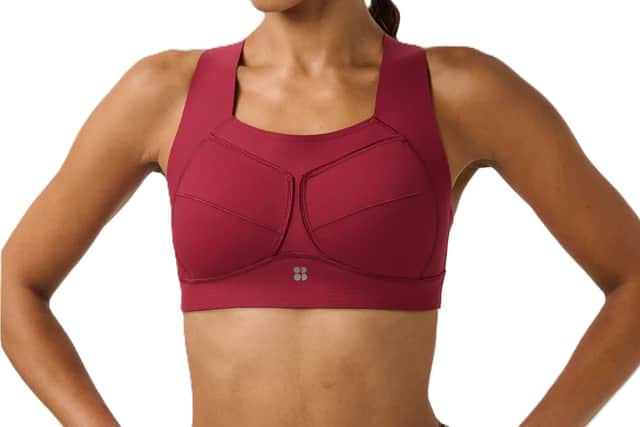
Sweaty Betty Runner’s High Zero Bra, £42 (was £60)
5. Technical fabrics and features that are worth paying for
Moisture-wicking, compression and four-way stretch are all technical features that often come with a high price point.
But according to both experts, the fabric composition alone doesn’t necessarily tell you how well a garment will perform.
“A fabric composition label only tells you so much,” explains Walker-Howard. “Two pairs of leggings could have exactly the same nylon [or] poly and elastane percentages, but feel and perform completely differently because the quality of the yarns, knitting construction, fabric finishing and garment design all influence the finished product.”
Nylon and polyester blended with elastane are common in performance clothing because they can offer stretch, durability and moisture management.
However, the ideal construction depends on what you’re using the clothing for.
For running, Walker-Howard suggests looking for a good level of compression, excellent stretch recovery, secure pockets, supportive waistbands and well-positioned seams.
For Pilates and other lower-impact workouts, softness, flexibility and comfort may be more important than advanced moisture management.
And for higher-intensity gym sessions, breathable fabrics that help manage sweat are worth prioritising.
Davis also recommends looking beyond technical claims to assess the overall quality of the garment.
“I’d pay attention to the quality of the waistband, seams and overall finish, as these can make a significant difference to how a garment wears over time.
“I don’t necessarily think the most expensive product is always the best.
“You’re better off investing in pieces that are well constructed, suit the activities you actually do and that you’ll genuinely wear again and again instead of big brands.”