
What vaccines could I be eligible for this winter?
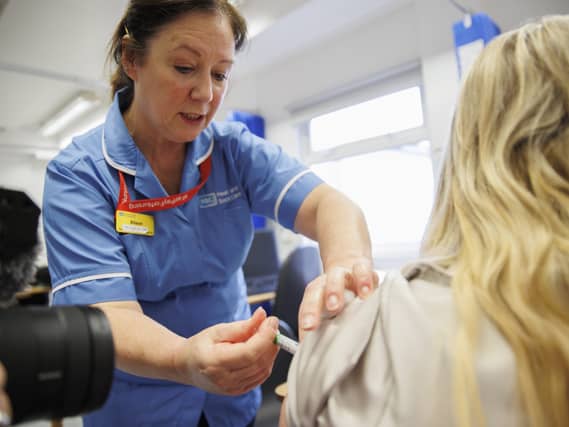

Here’s what you need to know about the winter vaccination programme.
As the colder months approach, making sure you’re up to date with your vaccinations is one of the simplest ways to help protect yourself against seasonal illnesses.
Figures from the UK Health Security Agency’s (UKHSA) annual report suggest excess deaths from flu were 3,798 last winter.
In England, the vaccination programme prevented an estimated 104,000 hospital admissions and 7,100 deaths, the report also found.
From the annual flu jab and Covid-19 booster to the RSV vaccine, there are several vaccines that could help keep you and your loved ones protected this winter.
However, eligibility depends on factors such as your age, health and pregnancy status, and knowing which jabs you’re entitled to can be confusing.
We spoke to Dr Kim Goldin, senior GP and health assessment doctor at Nuffield Health, who explained who qualifies for each vaccine and how to access the protection you may be eligible for.
Flu vaccine
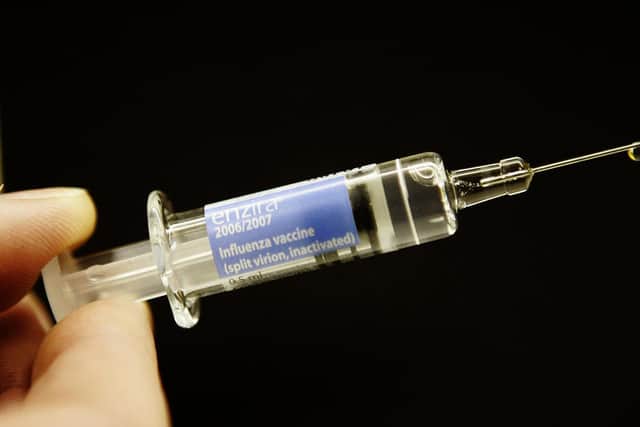
The flu vaccine helps your immune system recognise and fight off common influenza viruses, which tend to be rife at this time of the year.
“The influenza virus can have a significant impact on your health and can make people really ill,” says Goldin. “It can be extremely life threatening in a vulnerable person.”
It’s offered on the NHS every year in autumn or winter to people at higher risk of getting seriously ill from flu.
“It can take 10 to 14 days after a vaccination for your body to build up full protection and immunity, so ideally you want to get them done in autumn so your body has time to build up protection against these viruses before the winter months,” explains the GP.
“Quite a broader group of people are eligible for the flu vaccine because there’s a lower threshold of eligibility compared to some of the other targeted adult vaccination programmes.”
According to the NHS website, you can get the free NHS flu vaccine if you:
– are aged 65 or over (including those who will be 65 by March 31, 2027)
– are aged 18 to 64 and have certain long-term health conditions
– are pregnant – you can have a flu vaccine during any stage of pregnancy
– live in a care home
– are the main carer for an older or disabled person, or receive a carer’s allowance
– live with someone who has a weakened immune system
– are aged 16 or over and rough sleeping or staying in a homeless hostel or night shelter
– are a frontline health and social care workers
“Most school-aged children will also be offered a flu vaccinations,” adds Goldin.
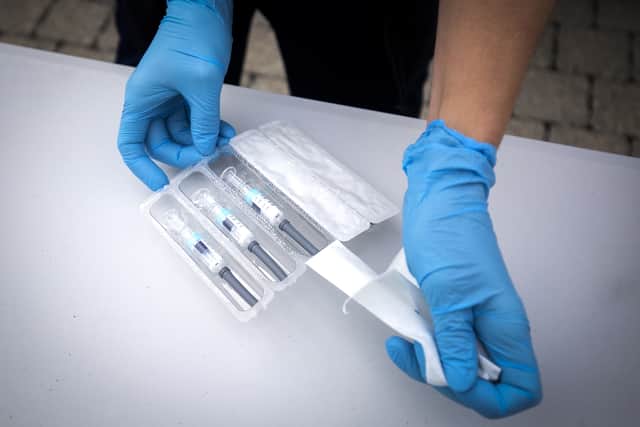
You can also pay to get a flu vaccination privately at a community pharmacy or private clinic even if you do not qualify for a free NHS jab.
“Lots of corporate workplaces also offer free flu vaccination vouchers this time of year to their employees,” says the GP.
Global health organisations track the flu virus and update the vaccine formula each season to match the specific strains expected to circulate.
“Viruses do change and mutate, so the flu vaccine formula is always updated every year,” explains Goldin. “So, if you are eligible, you need to have it every single year.”
The last date you will be able to get a flu vaccine is March 31, 2027, but it’s best to get vaccinated as soon as you can to protect yourself during winter.
Covid-19 booster
“The Covid-19 vaccine is much less widely accessible than the flu vaccine,” says Goldin. “This autumn the Covid vaccination programme is targeted at high risk groups – including people over 75, people living in care homes and people with a severe weakened immune system.
“This is because these groups are more likely to become seriously ill from Covid-19.”
If you’re eligible for the winter Covid-19 vaccine, you can book an appointment online or on the NHS app or find a walk-in Covid-19 vaccination site, according to the NHS website.
The last date you will be able to get your Covid-19 vaccine this winter is January 31, 2027.
RSV vaccine
The RSV vaccine helps protect against respiratory syncytial virus (RSV) infections and is offered routinely year-round by the NHS for eligible groups.
“RSV is a common virus that can make babies and older adults very ill, so it is offered to pregnant women and adults aged 75 or over on the NHS for free,” says Goldin.
“Pregnant women are recommended to have the vaccine when they are 28 weeks or more, to help protect themselves and the baby for the first few months after they’re born.”
People who are aged 65 to 74 and have a weakened immune system or have a long-term lung condition (this does not include asthma that is under control) or people who live in a care home for older adults are also eligible, according to the NHS website.
The vaccine helps reduce the risk of RSV causing serious problems, such as pneumonia and bronchiolitis.
Other vaccines
The pneumococcal, shingles, and whooping cough vaccines are all offered all year round.
“The whooping cough vaccine is another important vaccine that is offered to pregnant women to help both the women and their babies,” says Goldin.
According to the NHS website, the whooping cough vaccine is also routinely given as part of the:
– six-in-one vaccine – for children at eight weeks, 12 weeks, 16 weeks and 18 months
– four-in-one pre-school booster – for children aged three years four months
“Meanwhile, the pneumococcal and shingles vaccines are both offered to the elderly and people who have specific health risks,” adds Goldin.
Can you still get the virus even if you have a vaccine?
“No vaccination is 100% protective. If you were unfortunate and picked up the flu, you’re more likely to have milder symptoms,” says Goldin.
Why is it so important to get vaccinated once you have received an invitation?
“If you look at it from an individual point of view, if you fall into a more vulnerable, high-risk group, then you are more at risk of getting unwell quickly and having complications if you don’t get vaccinated,” says Goldin.
“So, vaccinations are really important for your personal safety and protection.”
The GP adds that vaccinations are also important for herd immunity.
“When more people are vaccinated, the virus in less likely to spread. So, vaccinations play an important role in preventing outbreaks,” says Goldin.
What should I do if I think I am eligible but have not received an NHS invitation for a vaccination?
“If you feel like you are eligible but you haven’t been called up or if you have a change in your underlying health, speak to your GP,” says Goldin. “For example, if a health condition is worsening or you think that you might have an undiagnosed condition, then you might now fit into the eligible group.”