
Which viral hair hacks actually work? A trichologist separates the best from the harmful


Trichologist Anabel Kingsley reveals the truth behind internet haircare trends – separating fact from fiction.
The likes of TikTok and Instagram have tried to convince us that growing thicker, longer and healthier hair is simply a matter of finding the right ingredient.
Rosemary oil supposedly stimulates your follicles, scalp massagers allegedly encourage growth, and collagen shampoos promise to leave you with a fuller head of hair, while we’re also told that washing your hair less frequently can train it to become less greasy.
But how much of this viral advice is actually supported by science? Some are fact, some are fiction.
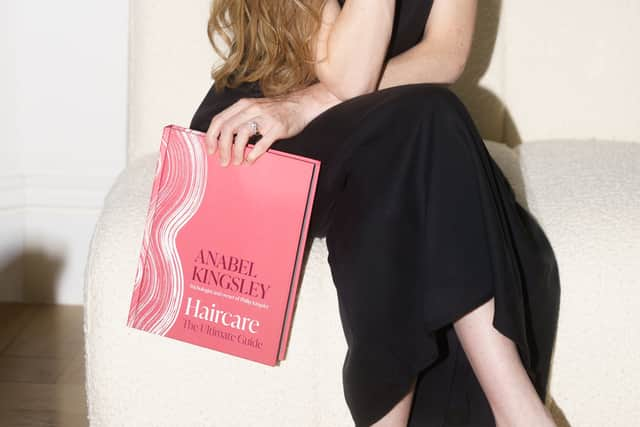
Trichologist Anabel Kingsley, whose new book, Haircare: The Ultimate Guide explores the relationship between women’s health and hair, says it’s important to distinguish between the trends and treatments that are actually backed by scientific evidence.
So here’s a breakdown of what the most popular hair hacks actually do to your scalp and hair – and whether they’re worth trying.
Does rosemary oil actually stimulate hair growth?
Rosemary oil has managed to enjoy great PR online, from scalp-oiling tutorials to elaborate overnight routines, it’s often promoted as a natural alternative to chemical hair-loss treatments.
But Kingsley says the scientific evidence is far less prominent than its popularity suggests.
“The whole rosemary oil trend is based on one small study done in 2015 on 50 men,” she explains. “The first thing to note is no women were in the study, which is important because women’s hair loss is different than men’s hair loss.”
The study compared rosemary oil with 2% minoxidil, a topical medication used to treat certain types of hair loss.
Kingsley points out that 2% minoxidil is not the standard effective concentration for treating male pattern hair loss, so may not have any effect on hair growth.
While Kingsley doesn’t suggest rosemary oil itself is harmful, she says that relying on it to treat progressive hair thinning could mean missing the opportunity to intervene earlier.
“If you have female pattern hair loss or hair thinning, the danger of using something that doesn’t work is that it’s a progressive condition […] it’s much harder to regrow hair than it is to maintain what you have.”
Can you train your hair to become less greasy?
Another fallacy that has been doing the rounds since the Eighties – washing your hair too frequently makes it greasier and gradually extending the time between washes can train your scalp to produce less oil.
“Your scalp [is] like any skin, you can’t train it to stop producing oils,” Kingsley says unequivocally.
She explains that the hair itself doesn’t produce oil, instead, sebum is produced by glands in the scalp, where it can accumulate around the roots.
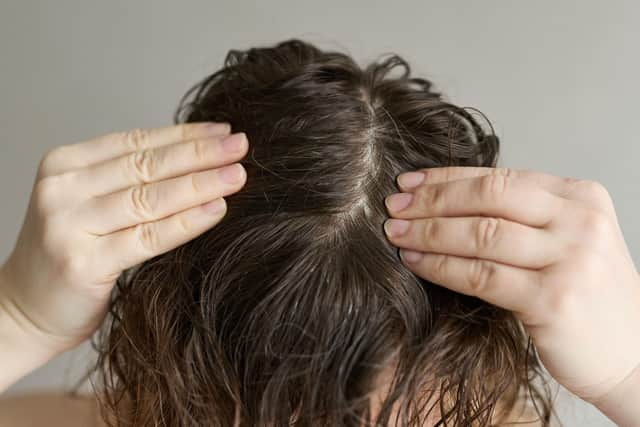
“All you’re going to do is you’re going to get breakouts [and] inflammation,” Kingsley says, who thinks the idea that everyone should limit washing to once or twice a week has led some people to neglect their scalp unnecessarily.
“Daily shampooing is good for your scalp, but then you factor in hair texture preference and what’s realistic,” she says.
“I’m not saying you have to shampoo every day,” Kingsley clarifies, but she encourages people to wash their hair as often as their scalp needs, without feeling guilty about shampooing daily or every other day.
Rather than simply rubbing shampoo over the surface of your hair, Kingsley recommends using your fingertips to massage the scalp for around 60 seconds, then squeezing the suds through the lengths.
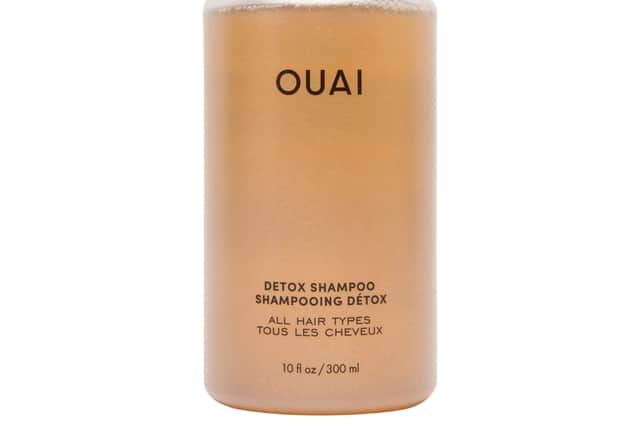
OUAI Detox Shampoo, £24 (was £30), Liberty London
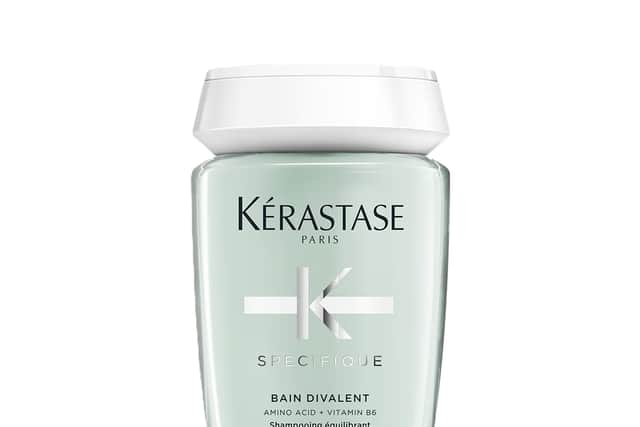
Kérastase Specifique Bain Divalent Shampoo, £30.50, Look Fantastic
Are slicked-back buns and heatless curls damaging your hair?
Slicked-back buns have become one of the most popular hairstyles, while the rise in heatless curling methods are often presented as a healthier alternative to hot styling tools.
But avoiding heat doesn’t automatically mean a hairstyle is harmless.
Kingsley says it’s important to consider how much tension you’re placing on your hair and scalp, as repeated tension overtime can lead to traction alopecia – gradual hair loss caused by chronic strain on the hair roots.

“If you can find a way to do heatless curls where you’re not pulling on your hair or you’re [not putting it under tension], that’s great,” she says.
The same principle applies to slicked-back buns:
“Slicked-back buns are fine as long as you can slick your hair back without pulling on the root too much.”
Kingsley warns that traction alopecia can become permanent if the tension continues for long enough.
Her advice isn’t necessarily to abandon your favourite hairstyle, but to avoid wearing tight, uncomfortable styles for long periods of time, every day.
Are sulphate-free shampoos actually better for your hair?
If you’ve ever found yourself choosing a shampoo because it proudly advertises being sulphate-free, Kingsley has some potentially surprising news.
“Sulphates are completely fine,” she says.
Sulphates are cleansing agents, or surfactants, used to help remove oil and dirt. Although some can be irritating, Kingsley says it’s misleading to assume that every shampoo containing them will be harsh.
Having worked on product formulations herself, Kingsley says sulphate-free shampoos can sometimes be just as harsh as those containing sulphates.
The important thing is how the product works for your particular scalp and hair, rather than whether it carries a sulphate-free label.
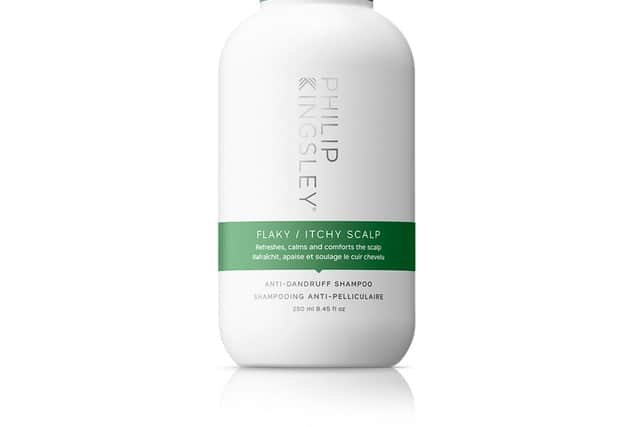
Philip Kingsley Flaky/Itchy Scalp Anti-Dandruff Shampoo, £32
Will collagen shampoos make your hair thicker?
Collagen has become the beauty industry’s favourite buzzword, appearing in everything from supplements to face creams and hair treatments.
But Kingsley is sceptical of shampoos that imply collagen can encourage hair growth.
“Your hair isn’t made of collagen,” she says, “and it doesn’t need more collagen.”
She points out that shampoo is a rinse-off product, meaning any collagen it contains has very limited contact time with the scalp anyway.
“Proteins in a conditioner or shampoo can help to thicken temporarily, make it feel thicker, give it more volume,” she explains.
The distinction is between making existing hair appear fuller and actually changing how much hair grows from the follicle, and Kingsley says marketing can sometimes blur that line, so it’s best to go for styling products that will guarantee temporary volume instead.
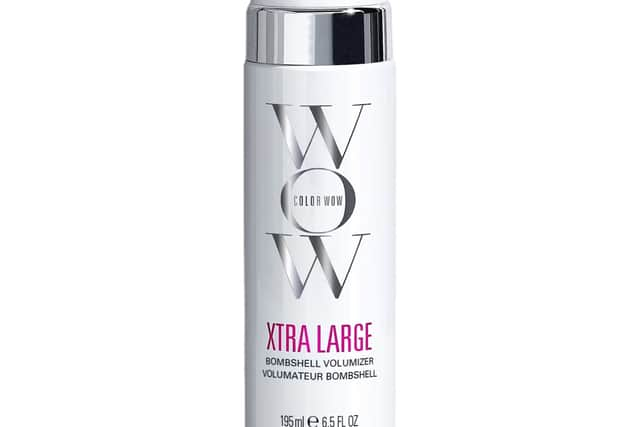
Color Wow Xtra Large Bombshell Volumizer, £18.75 (was £25), Look Fantastic
Do scalp massagers stimulate hair growth?
Silicone scalp brushes have become a familiar fixture in online hair-washing routines, with some marketed as tools to stimulate circulation and encourage growth.
“I think [they] are a waste of money,” she says bluntly, “at best they’re a waste of money and, at worst, they can damage your scalp and hair.”
Her concern is particularly with brushes that have rigid or pointed bristles, which can be abrasive when used too enthusiastically.
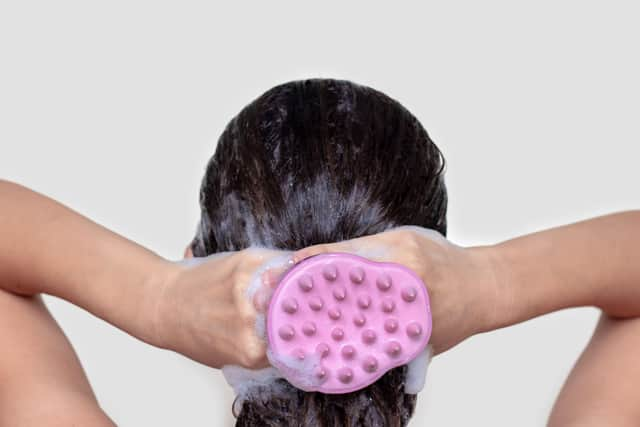
Instead, she recommends simply using your fingertips when shampooing.
What actually works for hair growth?
The answer depends on what’s causing the problem in the first place.
Kingsley explains that two of the most common concerns are female pattern hair loss, which involves progressive thinning of individual hairs, and telogen effluvium, which causes excessive shedding.
Female pattern hair loss occurs when susceptible follicles gradually produce finer hairs, often resulting in a widening parting and increased scalp visibility.
For this condition, Kingsley says minoxidil remains one of the best-supported treatments.
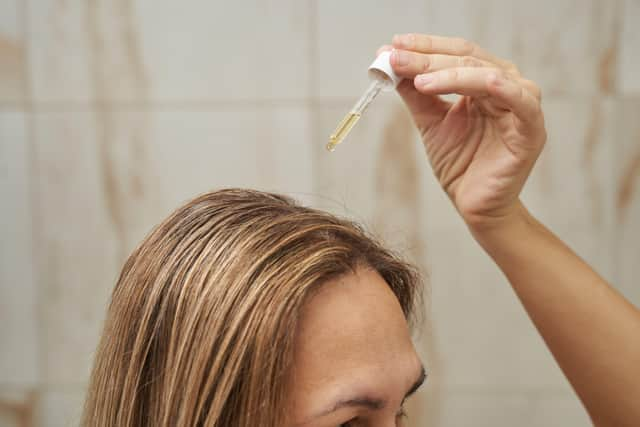
“It’s not new or sexy,” she says, but describes it as the most extensively studied ingredient for female pattern hair loss.
Topical minoxidil is available over the counter in the UK, although the appropriate formulation and strength should be discussed with a pharmacist or healthcare professional, particularly if you’re unsure what’s causing your hair loss.
Telogen effluvium, meanwhile, can be triggered by factors including illness, stress, nutritional deficiencies, certain medications and childbirth.
In these cases, the priority is identifying and addressing the underlying trigger, rather than automatically reaching for a hair-growth serum.
“Your hair is like a fingerprint, it’s unique to you,” notes Kingsley.
Regaine for Women Once a Day Scalp Foam 5% w/w Cutaneous Foam – 60g 2 Month Supply, £36.99, Boots