
Clare-based climate projects showcased at national climate conference in Dublin
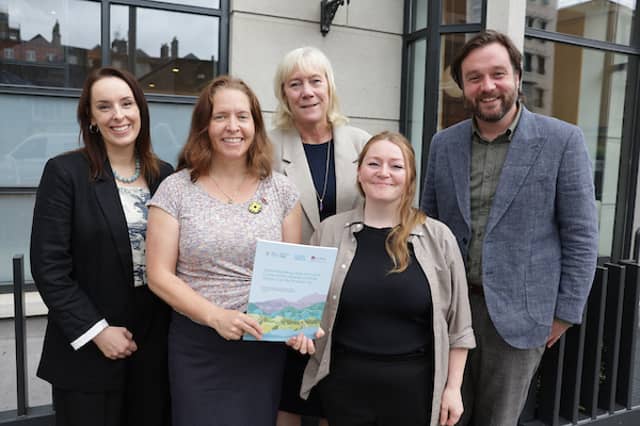

‘Creating Centres for Excellence for Community Climate Action’ project partnered with Cloughjordan Eco-Village, Burren College of Art, Carraig Dúlra Organic and Permaculture Farm and Sonairte
New national research published by the Department of Climate, Energy and the Environment and Pobal was presented at a national climate conference in Dublin recently, along with three projects with partner organisations based in Clare.
The research evaluated 19 projects funded under the Community Climate Action Programme and outlines how these models can be scaled and replicated across the country.
It found that successful projects shared key features: early and sustained community engagement, intentional inclusivity of marginalised groups, flexible and responsive design, and a commitment to learning by doing. The research notes the value in longer-term funding which can support the stability and sustainability of climate initiatives, while also building and maintaining community trust.
READ NEXT: Shannon Airport welcomes new state-of-the-art facility for people with complex care needs
Three projects with partner organisations based in Clare were showcased at the event:

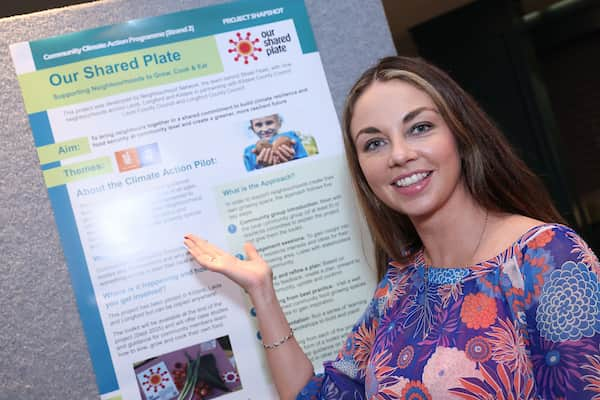
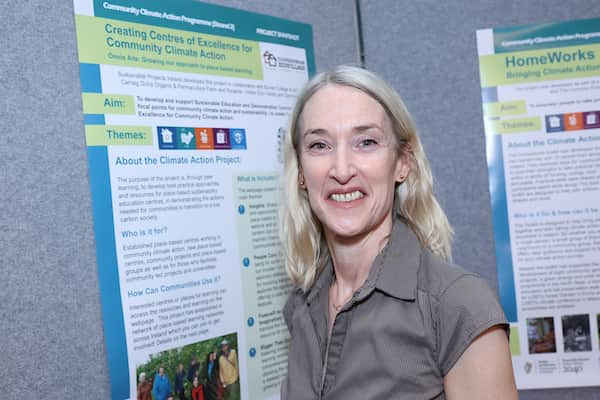
Minister for Climate, Energy and the Environment Darragh O’Brien TD said: “This research highlights the importance of building climate action at local level and that community climate action is most impactful when it is grounded in an equal partnership with communities and centred on the co-creation of climate initiatives and outputs. By directly supporting marginalised communities, through the Community Climate Action Programme, funded projects developed innovative approaches tailored to local needs, unlocked practical solutions, creating real momentum and engagement. These projects show us how a just transition can be both inclusive and effective.”
Anna Shakespeare, CEO of Pobal, said: "We are delighted to have worked with the Department of Climate, Energy and the Environment on the CCAP (Strand 2) Programme to support organisations develop innovative and good practice projects which build the capacity of communities to take climate action at local level.
We have worked closely with the projects supporting them to adapt and develop in response to the real needs of the communities, especially those most marginalised, to ensure the trainings and resources created are relevant and impactful. This new research also offers an exciting opportunity.
Working on behalf of Government to support disadvantaged communities, we have a deep understanding of the relationship between social and economic inequality and climate change vulnerability and are committed to growing the evidence base in this area.
The research provides valuable insights into how bottom-up, community climate action can be fostered and sustained and can inform future programmes, enabling progress on both social inclusion and net zero, simultaneously.”
Other projects featured in the research include a capacity-building programme that transformed food waste into sustainable community food systems, coastal adaptation training in areas vulnerable to rising sea levels, and a feminist-led approach to climate justice that placed care, equality and empowerment at the centre of local responses. Additional initiatives explored circular economy models and developed accessible, community-based climate education.
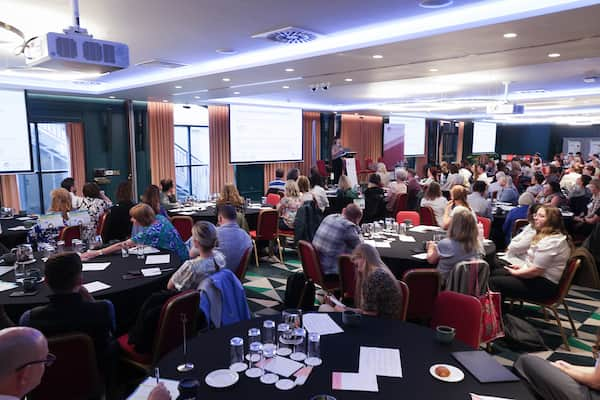
The Climate Conference included opportunities for each project to showcase the resources supports, tools, know-how and approaches to assist communities to take meaningful action on climate change. Contributors to the conference included Professor Jennie Stephens (Maynooth University), Ali Sheridan (Chair of the Just Transition Commission), and community climate implementers from across the country, including from the Spark and Homeworks projects.