
128 sexually abused children on waiting lists say Limerick charity

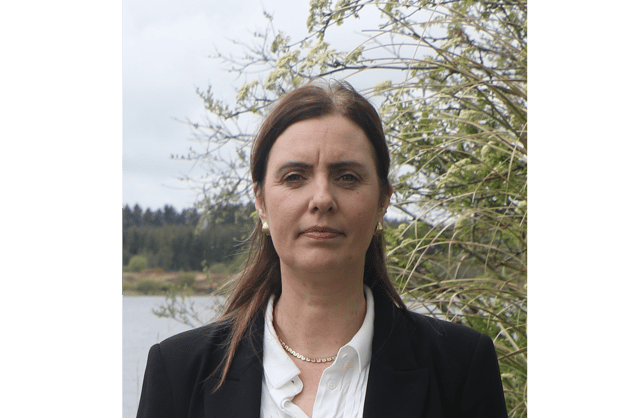

CARI (Children at Risk Ireland) faced closure in November
LAST November, Limerick-based child sexual abuse charity, CARI, faced closure but while their their funding is now stable for 2024, they say waiting lists cannot be tackled without further funding.
CEO Emer O’Neill has welcomed confirmation that Tusla will provide them with €775,000 for 2024.
“We now have financial stability for the year, which is an enormous relief for staff and the children and families we serve," said Ms O'Neill.
The charity faced closure in November, when they were unable to secure stable funding for the year ahead. Ms O’Neill says what was essentially a funding crisis has now been averted "for now" and thanked all those they worked with in Tusla.
"However, the reality remains that there are still 128 children who have been sexually abused on waiting lists for our care. Furthermore, there is a critical need to extend therapy services for child sexual abuse victims and their families across the regions.
"We worked closely with Tusla this year to implement the findings of an independent review of our activities. The review’s focus was on creating financial stability for 2024, and it recommended a series of Cost saving measures. These measures created some staff redundancies, a reduction in therapy services for clients, and the closure of our dedicated Helpline. We want to assure the public that we still offer phone support services on 0818 924567, from 9am to 5pm, Monday to Thursday.
“Unfortunately, we will also have to close our outreach service in Wexford this year, which goes against our mission to extend services to child sexual abuse victims across the regions. CARI believes no child should have to make long journeys for the treatment they need," said Ms O'Neill.
The charity says evidence indicates that the longer a child has to wait for treatment, the more severe the impact will be. Children can wait as long as two to three years for support, according to Ms O’Neill.
“Some children are effectively denied the right treatment as they are too far away to access specialised services. Without this support, child victims of sexual abuse are more likely to experience premature death in adulthood through illness, disease, and suicide. This comes at a huge cost to these individuals, families, communities and the State.”
“In CARI, we understand the journey a child takes toward healing from sexual abuse. They start off feeling unsafe, frightened, struggling to sleep, eat or focus at school, and in a constant state of stress, even when they are physically safe.
“With CARI’s support, children start to feel safe, trust their environment and find their voice," said Ms O'Neill.
CARI say the reality is that therapy services for child victims of sexual abuse need to extend to "all regions" across Ireland. Existing services are run in Dublin, Limerick, and via Barnahus West in Galway.
Ms O’Neill says CARI struggle to fill the budget gaps by raising funds from the public like other charities.
“People find it very difficult to talk about the horror of child sexual abuse and this stops people from engaging with our fundraising campaigns. It can be easier to think of it as something which occurred in the past, not in the here and now. Also, the victims can’t speak out for themselves, and their families cannot go public and compromise their children’s privacy.
“In the best interests of children, families and communities, the Government needs to adopt a strategic approach to providing care at regional and national level. To this end, we need open and honest discussions with the Government on how to cut waiting lists and provide Outreach services to children in the regions”.