
Accommodation to end for hundreds of Ukrainians in Limerick


Close to 400 people who have fled the war in their homeland are affected
HUNDREDS of Ukrainians living in Limerick for years after fleeing the war in their native land have to look for new accommodation.
Correspondence from the Department of Justice, Home Affairs and Migration, which was sent to politicians, has been seen by this newspaper.
The letter from the Community Engagement Team says that they “would like to share some information with you about changes to how people affected by the war in Ukraine are accommodated in your area”.
“The Government agreed to phase out accommodation that has been provided to people from Ukraine since 2022. This means that the State will no longer be offering accommodation to all people who are beneficiaries of temporary protection who arrived into Ireland before March 2024. This change is being introduced on a phased basis which commenced at the end of June.
“On July 21, residents in some State-supported Ukraine accommodation in your area were informed that they may no longer be accommodated at these centres from October 2026,” it reads.
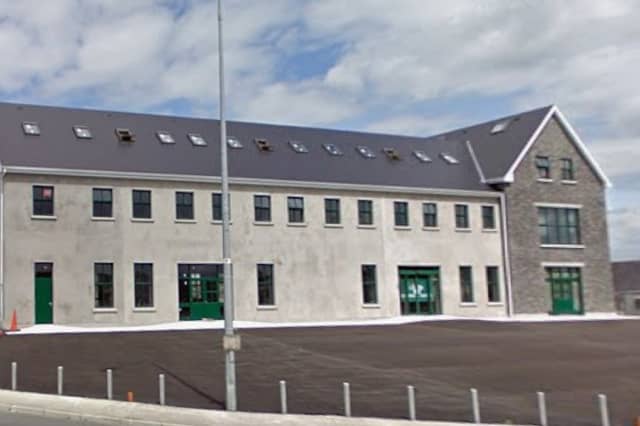
There are four centres in County Limerick listed in the correspondence - Ard Scoil Mhuire in Bruff which has 160 residents; Tara House in Clarina which accommodates 104 Ukrainians; the Radisson Blu Hotel on the Ennis Road has 84 people staying there while Clifton House, also on Ennis Road, has 31 residents.
The “last date of accommodation” is October 18.
The Community Engagement Team say residents at the centres affected are being provided with information and supports to help them to make decisions about their future accommodation options.
“People currently living in the accommodation centres listed can either apply for continued accommodation at a State Supported Accommodation Centre if they have specific needs, or they can source accommodation independently.
“People who feel that they cannot manage in independent accommodation, can apply to the department for continued State-supported accommodation. People will need to provide details of their circumstances as well as supporting evidence.”
If people are accepted for ongoing accommodation, they will be accommodated in a Designated Accommodation Centre. The letter to politicians says that People who are Beneficiaries of Temporary Protection, who live in a Designated Accommodation Centre where meals and utilities are provided, no longer qualify for certain social assistance payments. They will be moved to the weekly Beneficiary of Temporary Protection weekly payment, which is €38.80 in respect of each adult and €29.80 for each child.
The correspondence states that some existing centres will close and be returned to private use.
“The next use of the property after a contract ends is a decision for the owner. Some existing centres may become Designated Accommodation Centres, and some residents whose application is accepted may be able to stay in their current accommodation. Others will be assigned to a new location.
“People who do not apply for continued State-supported accommodation will end during October for people notified during this phase who do not apply for or qualify for continued accommodation. They will need to leave that centre at that time,” say the Community Engagement Team.