
Irish Cement seeks major change at its Limerick plant

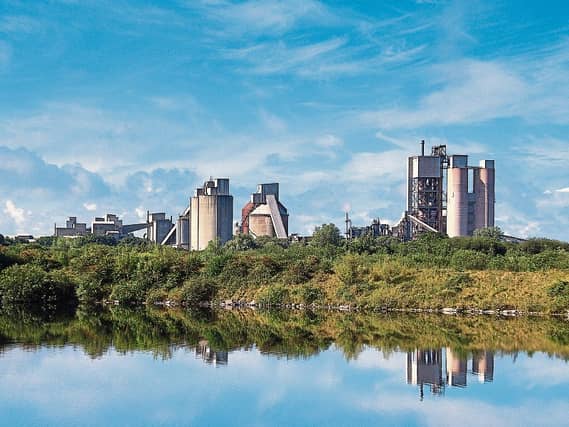

Mungret company wants to double type of fuel it can burn
IRISH Cement is seeking planning permission to double the amount of fuel made from household and commercial waste that it burns in Mungret.
The company is seeking the green light from Limerick City and County Council to change a condition of a previous grant of permission around the burning of materials like plastic, paper, cardboard and clothing.
It wants to increase the amount of this fuel it can burn from 30,000 tonnes per year to 60,000 tonnes yearly.
In documents submitted to council planners, agents for the company have stated this is necessary to reflect the latest Government policy on waste management.
It stressed that there would be “no change in any emission limit values” from the plant as a result of this application.
It added that by using additional household and commercial waste, it would be able to further cut its fossil fuel use.
"This level of solid recovered fuel use, together with the use of other permitted and licence fuels, would allow Limerick Cement plant achieve a circa 45% substitution of fossil fuel use, with further reduction in carbon dioxide emissions," the agents added.
The firm’s agents insisted the proposed amendment to the planning permission would not see any additional works or development at the site, and that “potential intensification of use does not arise”.
This, they say, is because the annual cap of 90,000 tonnes per year it is allowed to use for all alternative fuels and raw materials remains unchanged.
"The proposal involves no changes to the operating parameters considered in assessment of the permitted development. There is no potential for impact on the environment,” the submission adds.
After a seven-year planning battle, which saw two oral hearings, Irish Cement began replacing some of the fossil fuels used in cement production, including petroleum coke, with alternative fuels in 2023.
It began using the alternative fuels in a move which was given the green light by An Bord Pleanála in 2018 and subsequently by the Environmental Protection Agency in 2021.
But there was huge opposition to the plans, with a pressure group, Limerick Against Pollution, formed.
Concerns were raised about what came out of the chimneys when waste materials were burned, with fears over harmful emissions.
Campaigners highlighted that the original planning proposals included a range of substances, including tyres, plastics, waste animal tissue and ash.
There was also concerns following a number of dust emission incidents over the years, with residents in the vicinity of the plant reporting cars covered in dust.
Irish Cement always insisted its reforms would reduce reliance on fossil fuels and cut carbon emissions.
The firm pointed out that because its cement kilns operated at temperatures exceeding 2,000 degrees Celsius, these alternative fuels could be used without adversely affecting local air quality.
Irish Cement has also argued that the change is important in securing the long-term future of the Mungret plant and its workforce, which now numbers more than 100 people.
There has been one formal objection to the planning application so far – from local councillor Daniel Butler, who has questioned why the increase is necessary, where the waste will come from, and what the impact will be on the environment.
He highlighted that the original planning permission included a 30,000-tonne restriction, following a recommendation from the Southern Region Waste Management Office.
"That restriction was there for a reason. I want to know what has fundamentally changed to justify doubling that allowance. The fact that the overall alternative-fuel limit remains unchanged does not mean this proposal is environmentally neutral. The composition of the fuel matters,” Cllr Butler asdded.
He is calling for evidence addressing emissions, potential health impacts, cumulative environmental effects and consistency with Ireland's waste hierarchy.
"I am not prepared to simply accept assurances that everything will be fine. The applicant must demonstrate that this proposed change will not result in unacceptable impacts on the surrounding communities. This is not about opposing industry. It is about ensuring that economic activity goes hand in hand with environmental responsibility. Residents in Mungret, Raheen and Dooradoyle deserve to have their health and environment protected,” the Fine Gael City West councillor added.
A decision is due to be made by Wednesday, December 2 next.