
Limerick conference backs support for deaf and disabled parents

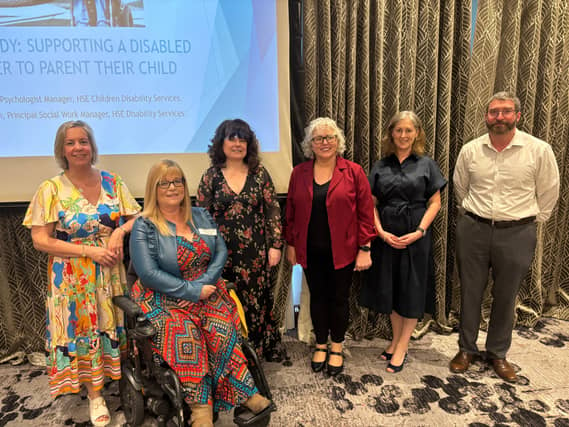

Critical need for support networks was a central theme of the UL event
THE IMPORTANCE of dignity, autonomy, and equality was central to a conference held in Limerick for deaf and disabled parents.
The critical need for peer support and professional support networks was the central theme of the Supporting Deaf, Hard of Hearing, and Disabled Parents Conference held at the University of Limerick (UL).
The event brought together representatives from HSE, Tusla, disability service providers, parenting support providers and organisations, and deaf, hard-of-hearing, and disabled parents, along with academics from across the country.
In his opening address, Professor Shane Kilcommins of UL emphasised the importance of dignity, autonomy, and equality. He recounted significant legal milestones that have advanced the rights of disabled individuals in Ireland and underscored the necessity of channelling that momentum towards supporting reproductive justice.
Conference organisers, Professor Donal Fortune and Dr. Elaine M Rogers from UL said: “We are delighted with the support for this event.
“This conference represents a beginning, and we look forward to the development of peer and professional support networks for deaf, hard of hearing and disabled parents in Ireland.”
The conference was funded by the Health Research Board and UL.
Additionally, Joanne McGarry, assistant principal and parent support lead at the Department of Children, Equality, Disability, Integration and Youth, reaffirmed the Department's commitment to developing inclusive parenting support initiatives that cater to all parents.
Professor Rosie Gowran, the HSE clinical lead, national programme for people with disability, shared insights on HSE’s human-rights informed responses to supporting parents.
As well as this, Elaine Grehan from the Irish Deaf Society, a mother of three hearing children, spoke about the negative attitudes that some deaf and hard-of-hearing parents encountered and highlighted the value of deaf parents raising bilingual, bicultural children.
Ann Marie Flanagan, author of the acclaimed book "We Are Human Too," discussed the lack of dedicated support, for example, adapted baby equipment, and the ingenuity required of disabled parents who often must be the architects of their own solutions.
The conference concluded with a powerful speech by Julie Helen, a disability advocate and disabled mother, who called for human rights-focused support, respect, understanding, improved communication and trust-building.