
Limerick early years professional urges government to invest in sector

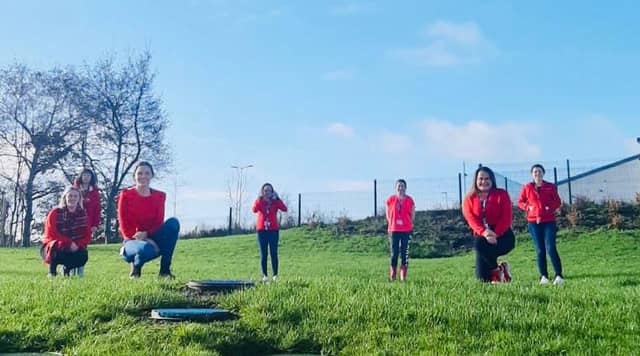

AN EARLY years educator in the city has urged government to invest in early years education to aid the retention of staff.
Yvonne Galvin, who is based at the Limerick Social Services Centre in Henry Street, said the early years provision service is at a “critical point”.
She was speaking a year after more than 30,000 practitioners marched on Dublin in a protest backed by Siptu.
Ms Galvin said: “Early years practitioners play a vital role in connecting a three way partnership between the child, parent and early years’ service. Our youngest children do not understand why their favourite key worker isn’t showing up anymore. The sector is at a critical point - government have a responsibility to invest and safeguard high quality services for our youngest citizens,” she said.
Siptu carried out a survey of early years professionals, which found that 92% of them felt they were not valued by government as frontline workers during the Covid-19 pandemic.
Only one in ten of them have received additional pay from their employer during this time.
However, the survey shows widespread support for a public funding model with 97% agreeing that ‘wages should be funded by the government, as it does for primary and secondary school teachers. This would allow for a dramatic reduction in fees for parents."
Siptu’s campaign organiser for the early years Sector Anne Craughwell said: “Only 42% of professionals earn the Living Wage of €12.30 and 38% are actively looking to leave their profession, while a devastating 93% say they will leave the sector in the next five years if things stay the same. Even before the pandemic, there was a staffing crisis but we are now on the verge of losing huge numbers of educators unless pay and conditions are addressed.”
She added: “The government, workers and employers all have a role to play in ending poverty pay. The establishment of a Joint Labour Committee, which can set out standards in wages and conditions of employment across the sector and was promised in the programme for government, is the first step in that process.”