
Links found between religious beliefs and mental wellbeing, thanks to Limerick college

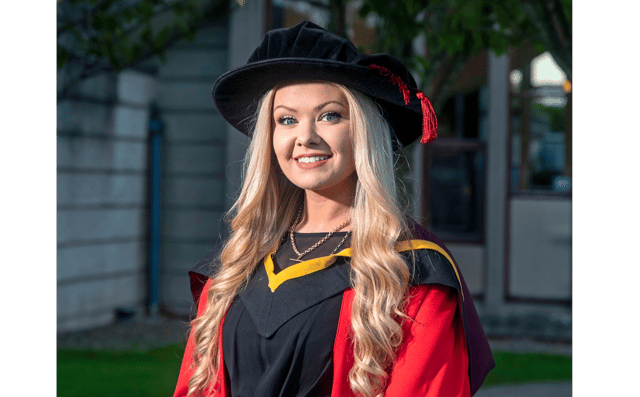

NEW RESEARCH indicating a link between religious beliefs and mental health has been revealed at a Limerick college.
The research, conducted by Mary Immaculate College (MIC), found that depending on how an adolescent uses religion has the potential to positively or negatively influence their mental wellbeing.
MIC Lecturer and Educational and Child Psychologist, Dr Lydia Mannion, bases her findings from the correlation between the two subjects and surveyed over a hundred students across ten post-primary schools in Ireland.
These surveys measured students’ psychological wellbeing, religiousness, and how they use religion to cope in their day-to-day lives. Individual, online interviews on the topic were subsequently completed with a number of these students.
“Interestingly, students who identified as non-religious were just as likely as religious students to use negative religious coping methods to deal with their daily lives,” Dr Mannion said.
“One of the most fascinating findings of the study was that while 80 out of the students who completed the surveys self-identified as Catholic, only 55 of these students then said that they believed in God.
“These findings show us that there needs to be a wider conversation about what it actually means for young people to identify as Catholic in Ireland today”.
An example of a positive religious and mental health link would be when a young person might practise personal prayer, while a negative link would be if a young person blamed fate or God as a result of negative events in their life.
“Teaching young people about positive and negative religious coping, and the possible positive or negative implications for their mental wellbeing associated with each type of religious coping, is crucial,” Dr Mannion concluded.
The research project was supervised by Dr Maurice Harmon, Head of the Department of Learning, Society, & Religious Education, and Dr Trevor O’Brien, Lecturer in Inclusive and Special Education at MIC.