
Not just baby blues! New mom and healthcare professionals warn of the signs of postnatal depression

A TYPE OF depression that affects more than one in every 10 women, postnatal depression is experienced by women in the first year after having a baby. For Orla Cunningham, it “all went downhill really fast.”
Most new moms experience ‘baby blues’ after childbirth, which may last up to two weeks. But some new parents, including men, can experience a more severe form of depression, referred to as postnatal depression.
Symptoms may vary in their severeness, and in some cases, may take time to develop. Postnatal depression may appear more obvious when the baby is aged 4 to 6 months old.
Parents going through this type of depression may experience panic attacks, feel guilty or irritable and angry. They may not enjoy being with people, even with their own baby.
Other symptoms may include loss of appetite, constant tiredness, or problems sleeping. Some mothers may have overwhelming fears about their baby dying, or recurring thoughts about harming their baby.
Although the exact cause of postnatal depression is unknown, research suggests biological factors, stressful events or personal history might contribute to it.

[FILE PHOTO]
During the pandemic, Orla was “happily pregnant.” After a screening at the University Maternity Hospital Limerick (UMHL), she mentioned suffering from anxiety and depression in the past – and was supported by a psychiatrist throughout her pregnancy.
Everything seemed to be “going smoothly.” However, fast-forward and after an emergency C-section, Orla found herself in the hospital. “After I went home, I felt okay. But then, it just went downhill really fast,” she started.
People kept telling the new mom that it was “normal”, and that she probably just had baby blues.
“I was feeling disconnected, and I had terrible anxiety and dark thoughts when I couldn’t sleep. I was terrified and didn’t want to be on my own with the baby. And, I was feeling like the only way out was suicide, you know? I just rapidly went into that.”
After reaching out to UMHL, Orla received support from a psychologist. Being able to contact somebody is what helped her cope. “If I had to go through a longer way around to get the correct help, I don’t know how that would have ended for me”, she stated.
Speaking of her experience, she regrets people don’t discuss postnatal depression openly, or aren’t honest about what they feel. Perhaps, because “they’re ashamed to admit they feel like they can’t look after their baby.”
Like many, Orla feels women’s health issues have been dismissed in her country. “I think it needs to be made a priority, we're just expected to suck it up and to get on with things, and that's been the way in Ireland for a very long time.
“Women talk, but we don’t talk as openly about this stuff. I feel that it’s a bit misunderstood and that it can be dismissed as normal,” she added.
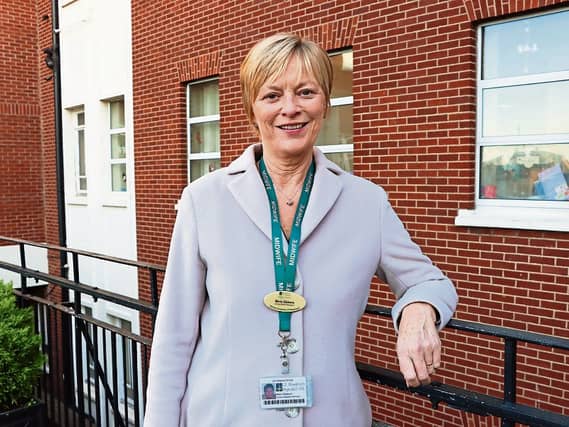
Clinical Midwife Manager, Perinatal Mental Health, UMHL, Maria Gibbons, has seen first-hand what postnatal depression does to women.
To support women suffering from mental health problems during and after their pregnancy, the Specialist Perinatal Mental Health Service was set up in 2018 at UMHL.
A “significant development in terms of women’s health,” the initiative involves a multidisciplinary team, including mental health nurses, midwives, occupational therapy, clinical psychology, and social work.
To determine if they have a history of mental health issues, women are screened during their first antenatal visit. After which, the team considers if they might need more help, and who would be most appropriate to see the patient and support them throughout their pregnancy.
As pointed out by Ms Gibbons, having a baby is a challenging time, and this can result in mothers feeling isolated, and some might not have any support structure.
“We also run a maternity programme called Mellow Bump, which is for particularly vulnerable mothers. Sometimes when they're pregnant, mothers find it very difficult to see the baby inside the bump, so it's about helping them realise that they can still talk to the baby even though the baby's still not born.”
For Maria Gibbons, what mothers need most is support. “When you come to the hospital, just mention it rather than keeping it to yourself. Again, it goes back to the stigma, which there definitely still is around mental health, but we really want to break the stigma down”, she commented.
According to her, new moms often describe having a lot of negative thoughts that are disturbing and distressing, up to a point where they’re wary of sharing them.
For her, this is part of a journey that is important to recognise. “If it was a physical condition, we'd be very quick to go forward and say ‘I think you're losing weight, or I think you're very pale’, so why not be as open to challenging it if it's a mental health concern,” she concluded.