
'We want it to feel like Bon Secours': Inside Limerick's only 24/7 animal hospital
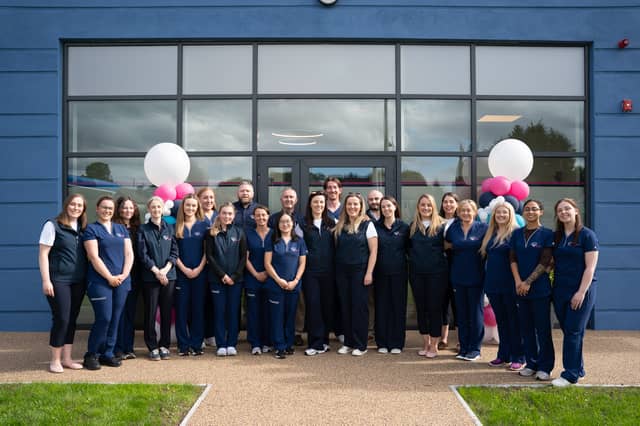

Located in Castletroy, Limerick Veterinary Hospital operates through the night, at weekends and during often-busy holiday periods
WHEN this reporter walks into Limerick Veterinary Hospital, I meet Patrick, who has 11 hours left on his shift. It’s 9pm, and over the course of the night, he’ll be looking after some of Limerick’s most vulnerable.
Each night, a veterinarian and a nurse provide the only 24-hour in-office vet service in Limeric k.
The service, which opened over the summer, operates through the night, at weekends and during often-busy holiday periods.
Outside of usual working hours, almost 30 services around the county, and beyond, divert their services to the Castletroy premises. They work off of a triage system to ensure that emergency cases are seen as soon as possible.
Limerick Veterinary Hospital is owned by Rockhall Veterinary, which operates a number of clinics around Limerick.
Previously, Rockhall Veterinary’s 24-hour service was based on Henry Street in Limerick city centre.
Their new building, which opened just a few months ago, has afforded them the opportunity to offer a variety of improvements.
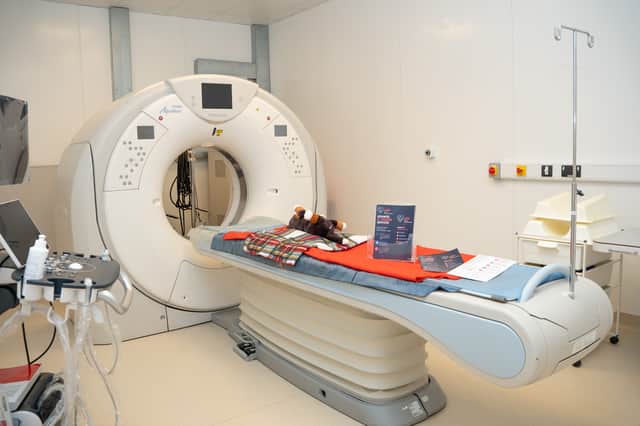
Firstly, they’ve made a few upgrades to their equipment. Limerick Veterinary Hospital is fitted with a human-grade CT machine, as well a number of consultation rooms.
The move has also made things easier for their four-legged patients, and their worried owners. The building is located closer to the motorway, and emergency cases no longer have to rely on on-street parking.
Another downside of their Henry Street premises was the lack of outdoor space. Patrick, a veterinary nurse, recalled times when they had to walk patients through the streets of the city and down along the River Shannon late into the night.
Now, they have a purpose built outdoor area for pets to stretch their legs throughout the night. It may be a simple change, but it keeps both staff and patients safer.
While quality of care is of course vital for patients - Kathy Enright, veterinary surgeon, said she wants the hospital to “feel like Bon Secours” - it’s crucial that the workers themselves are looked after too.
The vets and nurses who work night shifts operate on a 5 days on, 10 days off schedule, as opposed to the more common 7 days on, 14 days off schedule.
They can avail of a wellness programme, paid for by the company, and a manager comes in throughout the night to check in.
While night shift jobs in any sector tend to have a high turnover rate, veterinary jobs in particular can be tricky to keep staffed.
Kellie Fagan, chair of The Irish Veterinary Nurses Association, claimed that a recent survey found that nearly 76% of veterinary nurses are either “considering leaving, unsure about remaining, or planning to leave the profession altogether”.
“The main reasons are low pay, burnout, poor work life balance, and limited career progression.
“Nurses tell us repeatedly that they love their work, but they cannot build a sustainable life around it,” she added.
I was particularly interested in hearing about how the vets feel about working through occasions like Christmas Day, when many others are at home with their families.
It turns out Christmas can be a substantially busier time than most other parts of the year when it comes to emergencies, and therefore this requires more staffing. Their solution is to try and make the most of it.
When they were based in Henry Street, staff would come to work in festive jumpers in the lead up to Christmas and they would treat themselves to a roast from Bobby Byrnes’.
Job satisfaction is a big reason why many vets choose to stick with their careers, and the success stories play a big role in this.
On social media, Limerick Veterinary Hospital shared the story of Bobby, a dog who came into the hospital after suffering severe neglect. His fur was badly matted, and he was initially presumed dead.
After a weekend of care, Bobby made a full recovery and he has since found a home in Galway.
He is one of a number of cases where the hospital has worked alongside charities and animal sanctuaries. Bobby, in particular, was rehomed by Clare Animal Welfare.
During my visits, I got to meet a variety of inpatients. I was introduced to Joey, a long-term patient in the cat ward who was full of character.
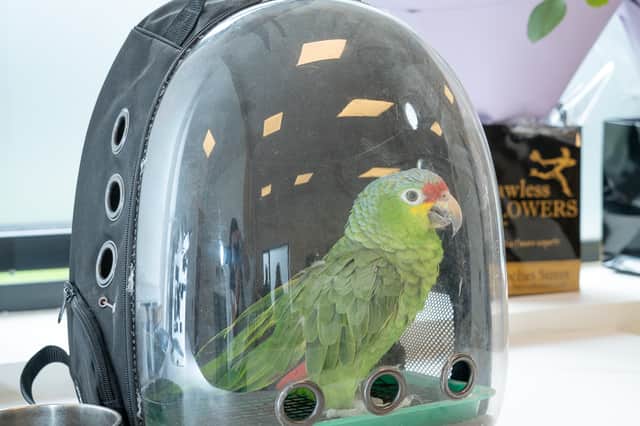
The hospital has also cared for exotic pets - Amazon parrots, bearded dragons, and chinchillas to name but a few.
Upon arriving at the hospital, I saw a flurry of ‘Thank You’ cards behind the reception desk, some with hand-drawn depictions of furry friends that have come through its doors.
For owners, there’s plenty of helpful leaflets. For dogs, there’s a jar of treats.
Not far away is a candle, only lit when somebody is saying goodbye to their pet.
The public facing part of the job is one that many soon-to-be vets will struggle with, according to Patrick. He described it as “heavy”.
Late-night emergencies can be particularly difficult. People have often travelled a significant distance with their sick or injured pets.
The hospital’s busiest hours are from about 9pm to midnight.
Patrick explains that, in many cases, people are coming home from work or a night out and find their pets are in need of urgent care.
Though my visit ends before it gets too late, I spare a thought as I leave, for the veterinary surgeons and nurses with a long night ahead of them.
For more, see limerickveterinaryhospital.ie.