
Arrabawn Tipperary Co-Op joins study on bio-refineries to explore co-operative benefits

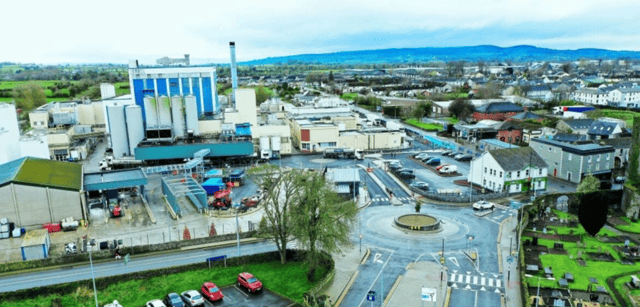

The study will assess whether co-operative bio-refineries can turn waste into energy and profit
Arrabawn Tipperary Co-Op is to participate in a study examining the potential economic benefits of a co-operative structure for bio-refineries, with a particular focus on anaerobic digestion.
A biorefinery is a facility that converts organic materials—such as agricultural waste or specially grown crops—into useful products like energy, fuels, or fertilisers.
Anaerobic digestion, one of the processes used in bio-refineries, involves breaking down organic matter without oxygen to produce methane gas, which can be used for energy, and nutrient-rich fertiliser.
The sector is poised for significant growth in Ireland, as it can turn waste into valuable products while supporting low-carbon energy targets.
The initiative is supported by €50,000 in funding from Enterprise Ireland, with additional match funding from the Golden Jubilee Trust, a charitable body dedicated to promoting the co-operative movement in Ireland.
The research is being led by the Irish Co-operative Organisation Society (ICOS), in partnership with Climate-KIC, Europe’s leading climate innovation agency. It is expected to conclude before the end of the year.
The study will look at how these facilities produce energy and fertiliser, and whether a co-operative model could allow farmers and communities to share in the benefits.
The experiment reflects a broader question for Ireland’s emerging bio-economy, whether co-operative ownership can give local communities a stake in technologies that are otherwise capital-intensive and industrial.
If successful, it could offer a model for combining environmental innovation with shared economic benefit—turning waste into both energy and opportunity.