
Over 100 same-sex marriages have taken place in Tipperary since referendum was passed

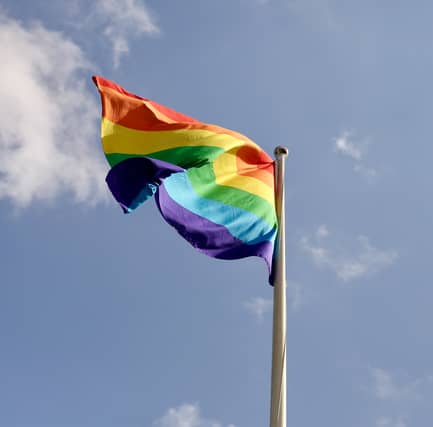

A look at how many same-sex marriages have taken place in Tipperary and a dive into The Nationalist's archives to see what was said about the referendum ten years ago.
Ten years ago this month, on May 22 2025, Ireland made history by being the first state to legalise same-sex marriage through a referendum.
Describing the day in question, then Taoiseach Enda Kenny said, “Today Ireland made history. The first country in the world to vote for equal marriage. I welcome that and thank all those who voted. In the privacy of the ballot box they made a public statement. With today’s yes vote we have disclosed who we are – generous, compassionate, bold and joyful people.
"Yes to inclusion. Yes to generosity. Yes to love and yes to equal marriage," he added.
North Tipperary had 54.68 per cent of voters vote Yes while South Tipperary voters who voted yes was recorded at 55.12 per cent.
Looking at statistics provided to The Nationalist, over 100 same-sex couples have got married in Tipperary, since the passing of the historic legislation ten years ago.
52 male couples and 56 female couples have decided to tie the knot in the Premiere County over the past decade, out of a total of almost 6,000 couples around the country.
Clonmel even plays an important role in the history of the referendum, as the first same-sex marriage took place here in November of 2015. Cormac Gollogly and Richard Dowling were the first same-sex couple to tie the knot after the new law was passed, in a ceremony in Clonmel.
Looking back on articles written in the weeks before the referendum, one couple from Tipperary articulately put the importance of a yes vote for future generations of LGBTQI+ identifying people.
Lorna Gallagher from Bansha and Fiona Ryan from Knockavilla, Dundrum, had been together for nine years when interviewed in 2015. The two examined the importance a yes vote would have on their lives as well as the lives of younger people.
Fiona said: “A yes vote would mean that future teenagers growing up won’t feel the need to move to a big city or another country just to live their lives where it is more socially acceptable, instead of staying closer to home with family and friends who accept them for the person that they know and love, and not to judge them based on who they choose to fall in love with.
"We are all the same and people should not judge us once we are happy and are in loving relationships.”