
Tipperary car sales rise sharply in 2025 as electric vehicle demand accelerates
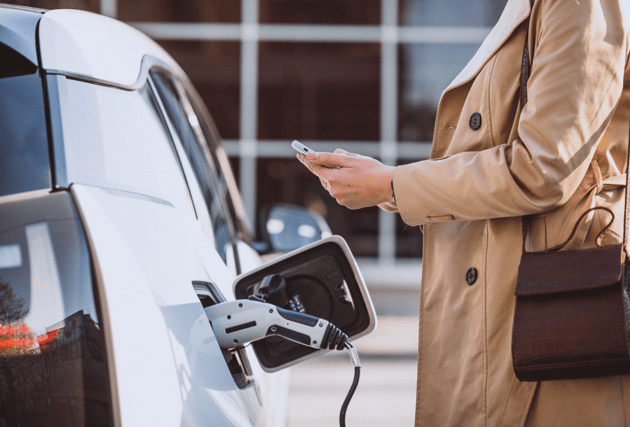

Registrations outperformed national growth as hybrids and EVs took growing share
New car sales in Tipperary rose by 6 percent in 2025, outperforming the national market and underlining continued demand despite a challenging economic backdrop.
Figures from the Society of the Irish Motor Industry show that 3,082 new Tipperary registrations were recorded last year, compared with 2,904 in 2024.
While growth across Ireland was more subdued, the county’s performance exceeded the national increase of 3 percent.
The strongest momentum came from electric vehicles. Sales in Tipperary more than doubled, rising from 216 to 451, an increase of almost 109 percent.
The surge reflects a broader national shift, with battery electric and hybrid vehicles now accounting for more than half of all new car registrations across the country.
Petrol hybrids dominated the local market, with 772 new registrations, making them the most popular choice among buyers in the Premier County.
Petrol and diesel vehicles followed, with each fuel type accounting for 707 new cars. While traditional engines continue to play a significant role, their share is gradually being eroded by electrified alternatives.
Nationally, total new car registrations reached 124,954 in 2025, up from 121,316 the previous year. Electric vehicle sales rose sharply across Ireland, reaching a record high and reinforcing the pace of transition within the motor industry.
The data points to a market in gradual but unmistakable transition. While petrol and diesel vehicles remain prominent, the rapid growth of electric and hybrid models suggests that consumer preferences are shifting, supported by incentives and expanding choice.
For Tipperary dealers and motorists alike, 2025 marked another step towards a more electrified future.
The steady rise in electric vehicle ownership is also placing renewed focus on the need for adequate charging infrastructure across Tipperary.
As more drivers make the switch, the availability and reliability of public and residential charging points will become increasingly important, particularly in rural areas. Meeting that demand will be central to sustaining growth in electric vehicle adoption in the years ahead.