
Tipperary food bank users increase slightly due to cost of living crisis
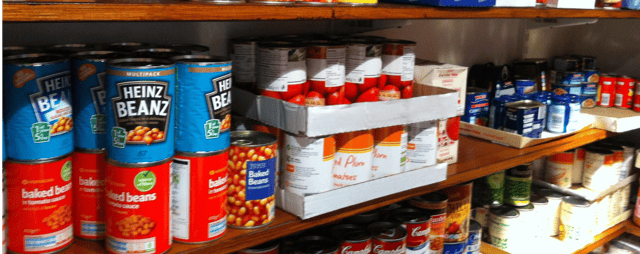

There has been a slight increase in the number of people availing of food banks in north Tipperary, according to organiser Sandra Farrell.
She said that the rise nationally of 100% was not being reflected locally.
Last week, national figures from the children's charity Barnardos showed that the number of parents using food banks and relying on food donations doubled last year, but Ms Farrell said that the rise was not being reflected locally.
In 2021, the local food bank assisted between 120 and 130 families fortnightly, and Ms Farrell said this had risen to around 140 over the past year.
"We would have had a slight rise, but then you had the increase in people coming into the country from Ukraine. We served 160 food parcels in December, but that would be normal," said Ms Farrell.
The nursing home owner and former Mayor of Nenagh said many people were cash poor but pointed out there was no extra food available under the EU's Fund for European Aid to the most Deprived (FEAD) programme.
"We have to make it stretch," she said.
Ms Farrell said that the food bank had been initially set up to cater only for Nenagh, but it was now operating in Roscrea, Birr and Thurles.
"We often have to drop bags over. We are not meant to, but we will deliver," she said.
The cost of living crisis was now hitting all spectrums of society, she said, with everyone now noticing the increases.
The north Tipperary food banks were dealing with a "broad section of society," she said.
The food bank programme in north Tipperary receives its food allocations from Mid West Simon in Limerick, who, in turn receive their allowance from FEAD
Last week's figures also revealed that almost one-third of parents have also skipped meals or reduced portion sizes in the past year to feed their children.
The figures came as retail analysts Kantar revealed the average household now pays approximately €159 for a weekly shop, spending more money on fewer items.
The rate of food price inflation has reached a 15-year high at 16.3 per cent. It means a year’s worth of groceries for the average household will cost €8,270 in 2023 - €1,159 more than last year.