
KILDARE'S WHAT'S COOKING: Perfect Italian treats
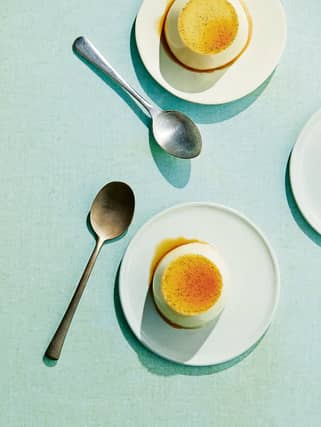

Panna cotta al Marsala
Ingredients:
(Makes 8 pots)
l 200g caster sugar
l 7g platinum grade gelatine leaves (about 4 leaves)
l 600g whipping cream (30–35% fat)
l 1tsp vanilla bean paste
l 2tbsp white rum
l 2tbsp dry Marsala wine
Method:
1. Prepare eight aluminium pots on a flat, heat-resistant surface (a wooden chopping board is ideal).
2. To make the caramel, melt 100 grams of the sugar in a small metal saucepan over the lowest heat on your hob. When the edges start melting, tilt and shake the pan to melt all the sugar. At no point in the process should you stir the caramel. The caramel is ready as soon as all the sugar is liquid and deep amber in colour.
3. Carefully pour just enough caramel in each pot to coat the bottom, dividing it evenly. Be very careful at this stage as the caramel is around 200°C and can cause serious burns if it gets in contact with the skin. The aluminium pots will get very hot too once the caramel is poured (use of protective gloves is recommended).
4. Soak the gelatine leaves in a bowl of cold water for 10 minutes.
5. Meanwhile, add 300 grams of the cream, the remaining 100 grams sugar and the vanilla paste to a small pan and bring to a simmer. By warming up only half of the cream, the cooling/setting time will be shorter, and less alcohol will be lost through evaporation. Remove from the heat, squeeze out the excess water from the gelatine leaves and dissolve them in the hot cream, stirring vigorously with a spoon or, even better, a whisk.
6. Very slowly pour the remaining 300 grams cold cream into the hot cream mixture, stirring constantly. Always add the cold cream into the hot, never the other way around: this will avoid premature setting of the gelatine and the formation of rubbery lumps in the cream.
7. Finally, add the rum and Marsala wine and combine. Divide the mixture equally between the pots; they should be filled up to about one centimetre from the rims. Leave to set in the fridge for at least three hours or, better, overnight.
8. Once the mixture is set, demould each pot on to a small plate or saucer. The best way to do this is to fill a bowl big enough to fit one pot with boiling water. Dip each pot in the hot water for no longer than two to three seconds, then turn it on to the serving plate. Shake the pot and plate sideways and tap it over a folded dish towel until the panna cotta has dropped. Store in the fridge for up to two to three days.
Amaretti
(Makes about 50)
l 250g icing sugar, plus extra for dusting
l 90g unblanched whole almonds
l 10g bitter apricot kernels
l ⅛tsp salt
l 35g egg white (about 1 medium egg white)
l ¼tsp natural almond extract
1. Place 150 grams of the icing sugar in the bowl of a food processor, add the almonds and apricot kernels, then blitz at high speed for about 40 seconds until the mixture is very fine and floury. Add the remaining 100 grams icing sugar and the salt, then blitz again for a further 40 seconds. Add the egg white, vanilla and almond extract, then blitz one final time until the mixture comes together in a smooth, doughy mass. Turn the dough on to a clean and dry worktop, press it down and fold it in half a few times with the help of a scraper. The dough will be quite sticky, so the scraper is essential to help handle it. Wrap the dough in clingfilm and leave it to rest in the fridge overnight.
2. The following day, place the shelf in the middle of the oven and preheat it to 160°C (325°F/Gas mark 3). Line a baking sheet with baking paper.
3. Take the dough out of the fridge, unwrap it (keep the clingfilm) and work it with the pressing and folding action again for a few times. The dough should feel much firmer than the previous day, but the scraper will still be helpful. Divide the dough into small chunks, about seven grams each. Keeping the size as consistent as possible across the biscuits will ensure an even bake, but if you do not want to weigh the individual biscuits one by one, you can use a teaspoon to make the small portions: seven grams is a bit more than half a teaspoon.
4. Roll each lump of dough between the palms of your hands to shape it into a small ball, then arrange them on the lined baking sheet, leaving at least five centiemtres between them. Form only enough biscuits to fill one baking sheet (about 15), wrap the rest of the dough back in its clingfilm and store it in the fridge until you are ready to prepare another batch.
5. Slightly flatten the top of each ball with your thumb. Use a spray bottle filled with water to spray water on to the biscuits until their surface is completely wet: some droplets will drip down the biscuits and possibly pool on the baking paper. This is perfectly acceptable, and it will not be a problem. Quickly dust the top of the wet biscuits with a thin layer of icing sugar (you will see the sugar disappear when it lands on the wet biscuits) and immediately place the baking sheet in the oven. Bake for 17–18 minutes until the biscuits are a light caramel colour.
6. Remove the biscuits from the oven, slide the baking paper on to a cooling rack and leave the baking tray to cool while you shape the following batch. Take the biscuits off the baking paper only when they are at room temperature. Store in an airtight container for up to two weeks.