
Explainer: What is measles and what are the symptoms to look out for

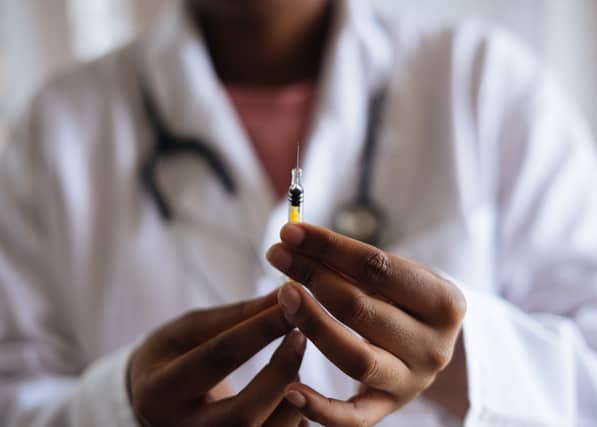

There is concern about a high risk of an outbreak of the infectious disease in Ireland after one man died
Concern has been raised about a rise in measles, after an adult male died in Ireland in recent days.
HSE chief medical officer, professor Breda Smyth has released a statement on X as she is "very concerned" Ireland is at a higher risk of a measles outbreak, following the death of a man who contracted the disease.
In the post, professor Smyth said: "We need 95% of the population to be vaccinated in order to prevent measles infection from spreading.Unfortunately, the uptake rate for the MMR vaccine in Ireland has fallen below 90% nationally and, in some counties, the rate is as low as below 80%. Also, we know from recent studies that nearly 20% of males aged 18 or 19 years do not have immunity to measles. This is particularly concerning as currently we're seeing a rise in cases in the UK and across Europe. If you're considering travelling to these areas, I would strongly urge you to ensure that you and/or your child are protected.The MMR is a safe and very effective vaccine."
Measles is a highly contagious viral disease. It remains an important cause of death among young children globally, despite the availability of a safe and effective vaccine.
While vaccination has drastically reduced global measles deaths — a 73% drop between 2000-2018 worldwide — measles is still common in many developing countries, particularly in parts of Africa and Asia. More than 140,000 people died from measles in 2018. The overwhelming majority (more than 95%) of measles deaths occur in countries with low per capita incomes and weak health infrastructures.
Member States in all WHO Regions have adopted measles elimination goals. WHO is the lead technical agency responsible for coordination of immunization and surveillance activities supporting all countries to achieve these goals.
SYMPTOMS
Measles is transmitted via droplets from the nose, mouth or throat of infected persons. Initial symptoms, which usually appear 10–12 days after infection, include high fever, a runny nose, bloodshot eyes, and tiny white spots on the inside of the mouth. Several days later, a rash develops, starting on the face and upper neck and gradually spreading downwards.
Severe measles is more likely among poorly nourished young children, especially those with insufficient vitamin A, or whose immune systems have been weakened by HIV/AIDS or other diseases. The most serious complications include blindness, encephalitis (an infection that causes brain swelling), severe diarrhoea and related dehydration, and severe respiratory infections such as pneumonia.
- Cold-like symptoms such as aches and pains, a runny nose, sneezing and a cough;
- Sore red eyes that may be sensitive to light;
- A temperature of 38 degrees Celsius or above, which may reach around 40C;
- Small greyish-white spots in your mouth;
- Loss of appetite;
- Tiredness, irritability, and a general lack of energy;
- Rash, which usually appears on head and neck first and spreads to rest of body.
TREATMENT
Routine measles vaccination for children, combined with mass immunization campaigns in countries with low routine coverage, are key public health strategies to reduce global measles deaths.
The measles vaccine has been in use since the 1960s. It is safe, effective and inexpensive. WHO recommends immunization for all susceptible children and adults for whom measles vaccination is not contraindicated. Reaching all children with 2 doses of measles vaccine, either alone, or in a measles-rubella (MR), measles-mumps-rubella (MMR), or measles-mumps-rubella-varicella (MMRV) combination, should be the standard for all national immunization programmes.