
'Working hard' final push to get approval for Laois town's flood defences



Mountmellick’s €20 million flood defences project nearing decision stage with An Coimisiún Pleanála
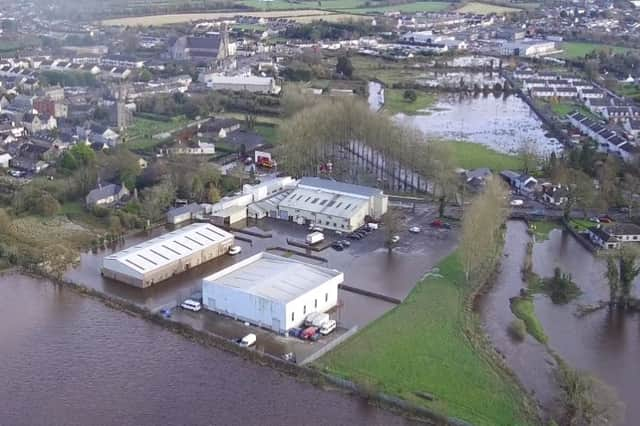
A decision is nearing for Mountmellick to get planning approval for its flood defences, nine years since the town suffered its worst flood in living memory.
Laois County Council is “working very hard” to supply all the extra information requested by the national planning authority by November 25 deadline.
The €20 million project will see over a kilometre of flood walls and 5.4km of embankments, to protect about 160 homes and businesses from future flooding from four rivers that flow in and around the town.
However An Coimisiún Pleanála has pointed out that ironically, the defences will cause flooding elsewhere. This and other queries around nature protection are among the questions they want answered before they make their final decision.
Director of Services Simon Walton gave a brief update to the October meeting of Laois County Council.
“A big few weeks for the Mountmellick Flood Relief Scheme coming up. We have a number of further information items to respond to An Coimisiún Pleanála and the closing date for that is November 25. We are working very hard to ensure we have comprehensive responses to all the additional items of information sought.”
An Coimisiún Pleanála’s queries, include why the modern standing stones sculpture in the playground, now on the record of protected structures, has to be moved and where it will go to.
They ask the council to show how traffic diversions through Drinagh and Mountmellick town will work efficiently and safely, during the reconstruction of the stone bridge in Derrycloney over the Owenass river.
They say that a tree management plan was missing, to show loss of woodland habitat due to the new defences, and ask for details on replaced hedgerows.
Ironically, they point out that the defences will “increase flood risk elsewhere” and ask the council to explain why they are contravening their own flood policy that new developments must not do so.
Noting that the work will require construction in rivers, with temporary dammed ‘dewatering’ of sections of river beds, they ask for more detail on mitigation against floods or pollution during construction.
They also requested more data and surveys on the existing ecology and habitats, in particular otters, crack willow, kingfishers, dippers and wagtails.
They ask for a management plan to stop the invasive plant Japanese Knotweed from regrowing due to ground disturbance.
A final decision could be delayed further. The planning authority may decide that there is enough extra information to warrant another round of public consultations, adding months more.
If approved, the design process is then expected to take another nine months, followed by a year and a half for construction, pushing completion of the defences towards 2030.