
'I never imagined I’d feel this good' - Laois man on life after his heart transplant

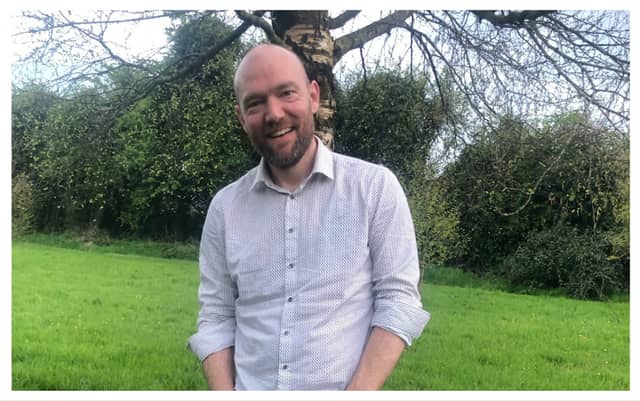

Nicholas Hines from Clonaslee underwent a heart transplant in 2024 after suffering a stroke
A man from Laois who had a heart transplant after suffering a stroke has spoken about the importance of early diagnosis as part of European Heart Failure Awareness Week.
Nicholas Hines from Clonaslee suffered a stroke in 2020 which led to him needing a heart transplant after the stroke revealed serious cardiac problems.
Specialised medics were unable to successfully manage his heart failure, and so he underwent a heart transplant two years ago which transformed his life.
Now, with a new lease of life, the 47-year-old said: "My health today is actually better than it was before the stroke in 2020. I never imagined I’d feel this good again."
The father-of-three moved to Ireland from the US in 2002. He now lives in Clonaslee and works as a maths teacher at Oaklands Community College in Edenderry.
READ NEXT: WATCH: Amazing Laois grandmother jumps from plane in aid of Portlaoise homelessness charity
Nicholas has emphasised the importance of early diagnosis as part of the European Heart Failure Awareness Week which runs until Sunday, May 3 and focuses on the theme of 'Awareness Today, Protection Tomorrow.'
Heart failure affects 10,000 new patients in Ireland every year and is the leading cause of hospitalisation in over 65s, however many people are unaware of the symptoms.
To raise awareness, the Irish Heart Foundation, Croí, and the Irish Association of Heart Failure Nurses have organised pop-up 'Heart Failure Awareness Roadshows' which will take place across the country, including Athlone, Donegal town, Waterford, Galway, Dublin, Cavan, Cork and Limerick.
Members of the public visiting the pop-up events will be offered free blood pressure and heart health checks, one-to-one advice from specialist heart failure nurses, information on recognising the signs and symptoms of heart failure, guidance on lifestyle changes to support heart health and resources for patients, families and carers.
"Catching these conditions early can make all the difference. I’m lucky mine was found when it was," Nicholas said.
The young father was admitted to Naas General Hospital when he suffered the stroke in 2020. Further investigations revealed underlying dilated cardiomyopathy and sarcoidosis which are serious conditions affecting heart function and overall health.
He was later transferred to Dublin’s Tallaght University Hospital, where he received specialist treatment for advanced heart failure.
Despite intensive medical management, his condition progressed, and he underwent the heart transplant in 2024.
"My heart failure nurse was a total guide throughout everything. She helped me understand what to look for, what to monitor, and how to manage my condition day to day. The heart failure nurses are absolutely fantastic—they don’t just treat you, they empower you."
Nicholas has since returned to work and now describes his life as active and fulfilling.
Heart failure affects an estimated 137,000 people in Ireland but experts say it remains overlooked and misunderstood. Crucial warning signs including breathlessness, fatigue, swollen ankles or legs and rapid weight gain.
"Heart failure does not mean the heart has stopped, it means it is not pumping blood as effectively as it should," explained Dr Angie Brown, Medical Director at the Irish Heart Foundation.
"Neither does it mean the end of life: with early diagnosis, treatment, and support, people can live well. Awareness of heart failure symptoms and how the condition can be managed is low. By meeting people on streets, in shopping centres and local hubs, we can make heart health information more accessible and impactful."
Emer Burke, President of The Irish Association of Heart Failure Nurses, said that Nicholas’ experience demonstrates the significance of heart failure nurses’ role in empowering patients to live well with heart failure.
"Seek medical attention for any symptoms you may have and learn about your risk now, as awareness today really does impact on protection tomorrow," she said.