
Advice for Longford farmers over serious disease during warmer months
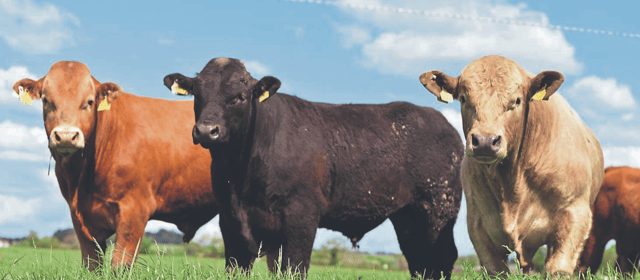

Red Water requires immediate vet assistance to examine the suspected case, often caused by a tick
Red Water, or bovine babesiosis, is a serious disease affecting cattle in Ireland, particularly during the warmer months from May to October. It is caused by the parasite Babesia divergens, which is spread by a tick, commonly found in rough grazing areas and woodlands.
The disease gets its name from the dark red or brown colour of the urine seen in infected animals. This happens because the parasite destroys red blood cells, leading to anaemia.
Typical symptoms include high fever, weakness or lethargy, red or brown urine, loss of appetite, rapid breathing, increased heart and respiratory rates, and in severe cases it can lead to death
If Red Water is suspected, farmers should contact a vet immediately. Treatment typically includes anti-parasitic drugs, supportive care. Fluids may be necessary in severe cases to manage anaemia and dehydration, and, in some cases a blood transfusion may be required.
Prevention is key. Farmers can reduce risk by:
Controlling ticks with pour-on treatments.
Avoiding high-risk grazing areas during tick season.
Pasture management to reduce tick habitats in paddocks.
Monitoring cattle regularly during peak months.
In areas where Red Water is common, some cattle may develop natural immunity, but young or newly introduced animals are at higher risk.
Red Water remains a serious threat to cattle health in Ireland, especially in the west and south. Redwater can lead to significant economic losses due to decreased productivity, treatment costs, and, in severe cases, cattle mortality.
For more detailed information and specific management practices, consulting with a veterinary professional or a farm advisor is recommended. With proper prevention and prompt treatment, the impact can be managed effectively.