
Longford farmers warned over bluetongue threat to cattle and sheep

Advice issued as infection risk rises during warmer months
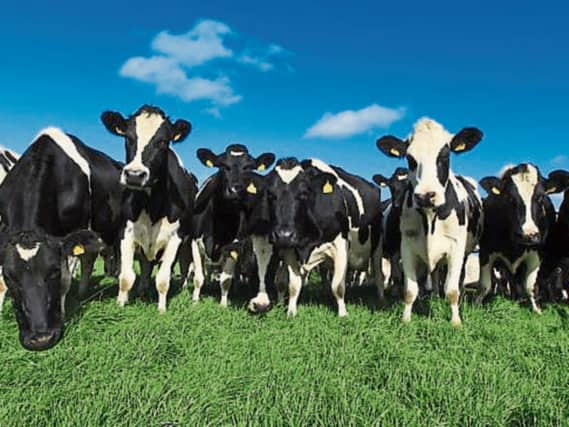
The Bluetongue Virus is set to potentially cause a big risk to our cattle herds and sheep flocks in 2026.
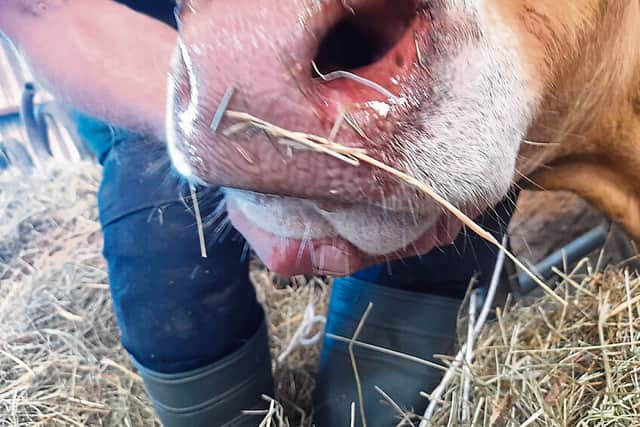
Evidence from Britain and Europe would suggest that, currently, these symptoms appear to be more severe in sheep.
One of the main aspects of the disease that I took from the information I received was its threat on the reproductive performance of cattle and sheep which have become infected by the virus.
Infertility is a big risk in both infected cows and heifers and also ewes and hoggets.
When these animals become pregnant, infected animals may abort or give birth to unviable offspring that are unable to function and have to be put down.
The bluetongue virus spreads by midges. If a midge lands on and bites an animal infected with bluetongue, this midge which has become a carrier, can then fly (or be carried by the wind) and land on another animal.
When this midge bites one of these cattle or sheep, then that animal then becomes infected and the cycle continues.
Midge activity is higher in warmer weather so while there is a risk of disease spread at any time of the year, the high-risk period is from May to October.
Given that bluetongue is now in the country and that it would prove very difficult to stop the spread of the disease, it would be advisable for farmers, particularly with breeding enterprises to contact their vet to seek advice on combatting this disease without delay.