
POSITIVE PSYCHOLOGY: On Valentine's Day, wholehearted devotion to love can begin with yourself
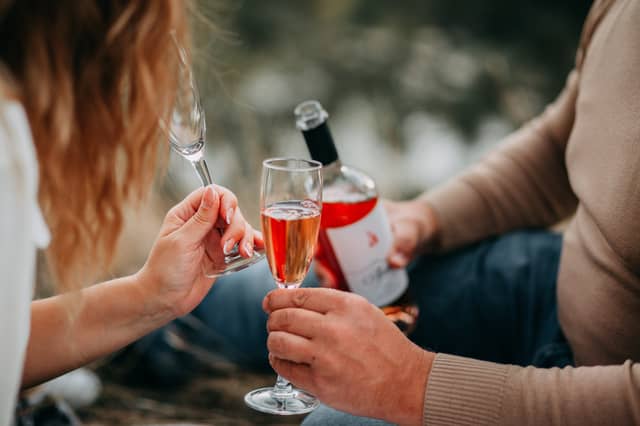

When we hug someone, we release the hormone oxytocin - the hugging hormone
LOVE it or dread it, Valentine’s Day comes around very quickly after Christmas.
But what are the origins of this tradition? There seem to have been at least three early Christian Saint Valentines.
Legend has it that the day itself, February 14, marks the day each of these saints were martyred. The tradition of exchanging gifts and cards seems to have started in the eighteenth century and is still very much in vogue to this day.
But what if we do not have a partner or even love-interest on this day? Does that mean exclusion from this Valentine’s celebration?
Modern day positive psychology advocates that we love ourselves. This self-love, indeed self-compassion, is actually essential for our mental well-being.
Psychological research has shown that being connected with others is good for our health; it boosts our immunity and reduces stress levels and can even lengthen our life-span.
However, if we can have a good relationship with ourselves (self-love) this is equally good for us.
Psychologists such as Paul Gilbert in the UK and Brene Brown and Sharon Salzberg in the US, continue to produce exciting research that indicates that self-compassion is hugely important for our psychological health and in order to live what Brown terms a “whole-hearted life”.
From a purely physical point of view, when we hug someone, we release a hormone called oxytocin (aka the hugging hormone).
This hormone is involved in the bonding process even in our early attachment relationships with our caregivers. Not to be confused with another hormone, called dopamine, which is one of the hormones released when we fall madly in love (and lust!) and is connected to the drive part of the brain.
Interestingly we also release the hormone adrenaline when we fall for someone; this is the hormone that we associate with the fight or flight or threat system and is responsible for the butterflies and general excitement experienced.

The Buddhists have long known the importance of self-love. In fact a core mindfulness/compassion meditation is called Loving Kindness. This meditation starts with wishing ourselves peace, happiness, love etc and only then extending it out to other people.
Brown studied thousands of people in the US in her bid to establish the qualities necessary for people to live whole-hearted lives. She found that a relatively small sample (15-20%) were living wholeheartedly and that what they were actually doing that set them apart from the other 80-85% was that they believed they were worthy of love and belonging.
Furthermore these beliefs affected the choices they made for themselves in their daily lives. So, how can we show ourselves self-love not just on this Valentine’s day but every day?
Brown and other authors on this topic tend to share similar advice – self-care, self-acceptance, being mindful and showing ourselves compassion and kindness.
Self-care means that as well as looking after our basic health needs we also prioritise the psychological and emotional ones.
Self-acceptance means that as well as acknowledging the things we like about ourselves (even small things, such as being a good neighbour) we also learn to accept the things we do not like.
For example, letting go of past mistakes, forgiving ourselves, telling ourselves that mistakes are part of the human condition.
Being mindful of our needs and emotions; often we put other people’s needs before our own – parents’, partners’, children’s, friends’.
However, in order to mind other people, we must first mind ourselves. Being mindful of our emotions means accepting the uncomfortable ones such as anxiety, fear and anger rather than struggling to push them away or beat ourselves up over having them in the first place.
Finally, showing ourselves compassion and kindness – two qualities that often come automatically in our interactions with others but can be very difficult to cultivate for ourselves.
So, this Valentine’s day, make sure you do at least one compassionate thing for yourself as a way of saying “I Love you”.
Julie O'Flaherty and Imelda Ferguson are chartered clinical psychologists, both based in private practice in Tullamore. Through Mind Your Self Midlands, they run courses on Positive Psychology and mindfulness throughout the year. They can be contacted through the Psychological Society of Ireland www.psihq.ie (Find A Psychologist section) or on their Facebook page, Mind Your Self Midlands.