
How can I get my car ready for winter?
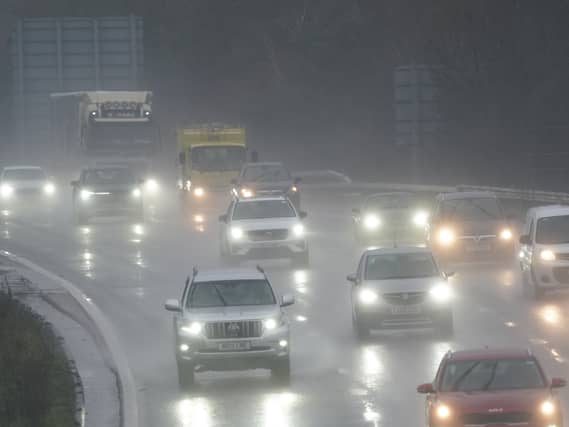

Winter is hard on a car, but some simple checks can ensure it’s got a fighting chance against the elements.
While we’re still in the heart of autumn, winter is on the horizon and that means a difficult time for cars lies ahead. Worsening weather, more grit on the roads and darker days can all play havoc with a car, both in terms of its performance and overall condition.
The good news is that a little bit of preparation goes a long way in this area, which is why we’re going to take a look at the checks you can make to get your car ready for the winter ahead.
Check tyres
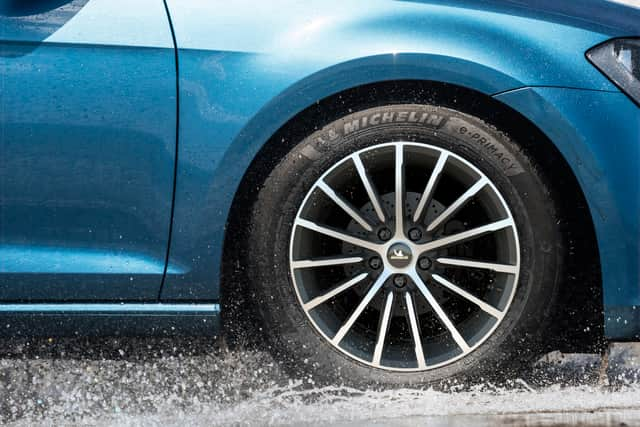
Look at the sidewalls. Are there any cuts or bulges? If so, you might need to replace them or risk a blowout. You’ll also want to make sure that there is at least 1.6mm of tread within each groove and, if not, they’ll need to be swapped out for new ones. Failing to do so means that your tyres are below the legal limit and you could risk a fine or penalty points.
If you live in a part of the country susceptible to colder temperatures or snow, it might be a good idea to start investigating winter tyres as these perform far better in the cold than a conventional summer tyre.
Test the battery
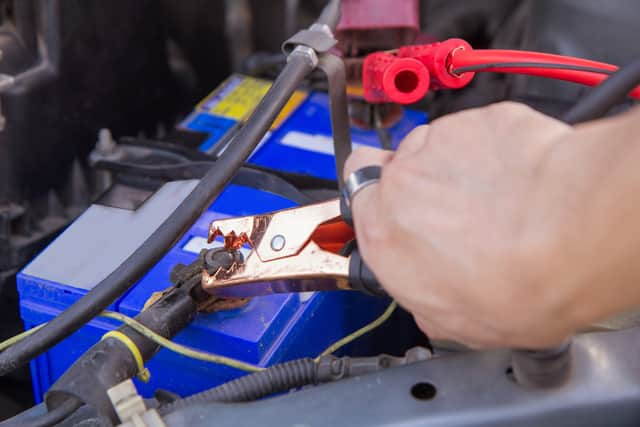
There are some key indicators that show a battery is on its way out. If your car is struggling to turn over when you switch it on, or if the headlights seem dim, then there’s a good chance that your battery is starting to fail. Some cars might also have a battery warning light as a clear indication that you need to fit a new one.
It’s best to do this early, too, as one cold snap can quickly leave a battery struggling to start a car. The good news is that it’s not a complex job and all garages should be able to sort it for you though, if you’re happy to do so, they can often be replaced and fitted at home. Just make sure that you dispose of the old battery properly at a local recycling site.
Check coolant and antifreeze
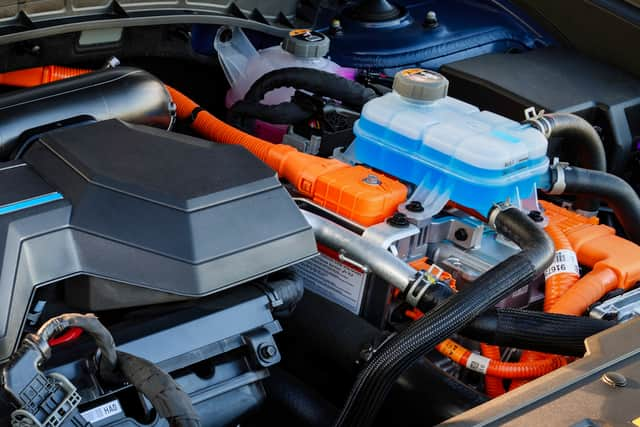
Never fill a coolant reservoir with just water, as this can freeze when temperatures fall and cause damage to the system. Make sure that you use the right coolant and antifreeze for your exact vehicle, too. You can find this in the vehicle handbook or by searching online.
Top up screenwash – and don’t use water
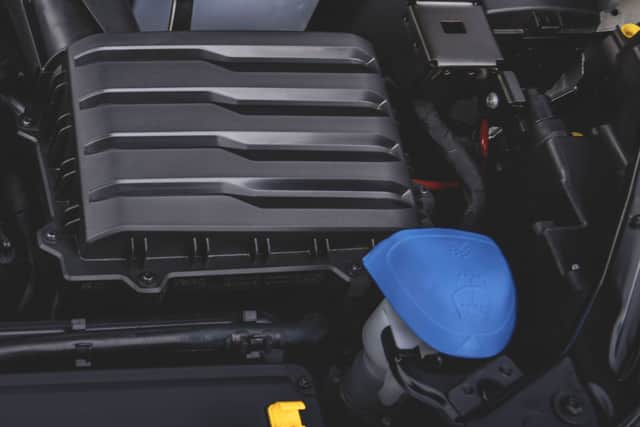
Different screenwashes are rated to work at different temperatures, too, so check the packaging to make sure that it’s right for where you live, or where you’re driving to.
Check wipers
While you’re sorting the screenwash, make sure that your car’s wipers are working as they should. Any rubbing sounds or streaking are signs that the rubber is on its way out, while cracking and perishing are sure-fire ways to tell that they need to be swapped.
Remember, too, that if the temperature does fall below zero and your wipers freeze, don’t try and use them. If you operate them and they’re stuck to the car, you can quickly burn out the motors. Instead, free them from the glass first by using some antifreeze spray or warm – not boiling – water.
Take a look at your lights
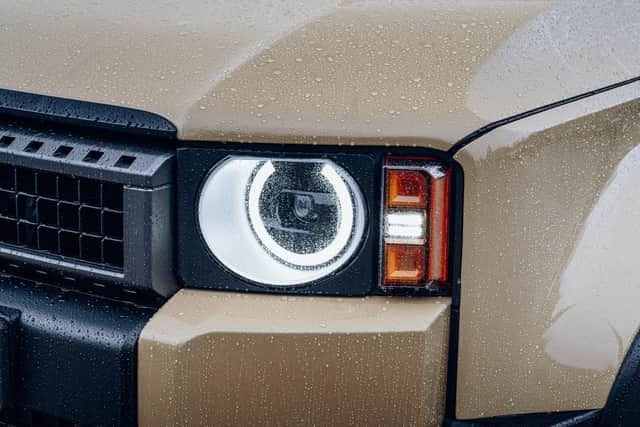
Keep on top of cleaning the lights, too, as a build-up of grime can make them a lot less effective.
Create a breakdown kit
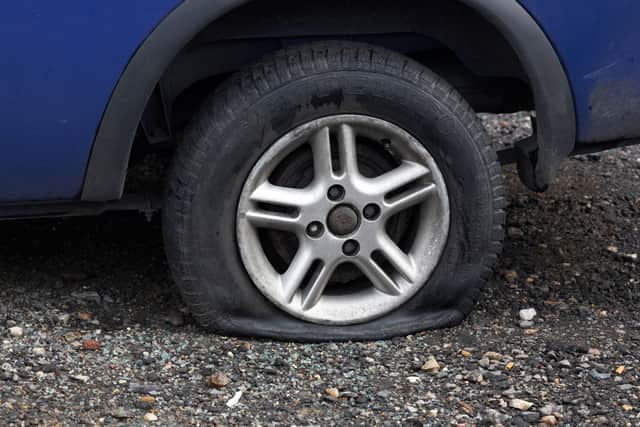
As a precaution, it’s a good idea to pack an emergency kit bag. It doesn’t need to be over the top, but a warm blanket, a charged up power bank for your mobile and some non-perishable food items could all help to make a breakdown far less stressful – and much safer.