

As the weather starts to (slowly) warm up, it’s time to rethink your beauty routine.
When temperatures change and the sun shines a bit more consistently, the same products you used in winter won’t be quite as effective.
Your hair and skin will have different needs – and these are the changes you should make to accommodate this…
1. Wear broad-spectrum SPF
You should be doing this all year round, but slapping on the SPF becomes even more crucial as the weather warms up and we see what Dr Carlos Charles, 4.5.6 Skin chief medical officer and co-founder, describes as “increased daily ambient outdoor ultraviolet light”.
He recommends adding sun protection into your routine as early as spring – even if it doesn’t feel that warm. “In my patients with a more fair complexion I’ll start to see mild sunburns and an uptick in sun spots known as solar lentigines in the early spring months,” Charles says. “In patients with darker melanin-rich skin tones I’ll begin to see exacerbations of the pigmentary disorder known as melasma, as well as more intense examples of various types of hyperpigmentation.”
Skin Proud Serious Shade SPF 50+ Sunscreen, £16.95
2. Combat increased oil production
“In the warmer weather when temperatures and humidity rise, our sebaceous glands tend to overproduce sebum to keep skin hydrated,” explains Charles.
“Even those who have normal skin may find their complexion becomes more oily or greasy. This is true across skin tones, but particularly for those with darker skin.”
However, oilier skin doesn’t mean you should start triple-cleansing.
“One of the most common mistakes I see patients make when their skin gets oily is over-cleansing to remove the excess oil. Unfortunately, this creates the opposite effect, as it can send the sebaceous glands into overdrive, producing more sebum,” says Charles.
4.5.6 Skin Green Bae Clearing Gel Cleanser, £28
3. Boost the moisture in your skin
“It’s always important to keep skin well-nourished and hydrated so that sebaceous glands don’t overcompensate.”
Croma Skincare Hyaluronic Acid Face Mask, £48
4. Give your scalp some love
Skincare doesn’t stop at your face. “In the summer months, our scalp can often be neglected and suffer – whether that be from sun exposure and sweating to tying the hair in restrictive, high-stress ponytails due to the heat,” says Munir Somji at DrMedispa.
“These hairstyles, alongside heat damage from the sun, can cause hair to lose volume and break easily.”
That’s why it’s important to give your scalp some love during the warmer months – by wearing looser ponytails, using targeted treatments or even giving yourself a scalp massage.
5. Don’t forget your eye area
Caudalie Vinoperfect Brightening Eye Cream, £30, Look Fantastic
6. Protect your hair, too
It’s not just your skin that needs SPF – your hair could benefit from it too when the sun starts shining.
“Warmer weather can cause your hair to become dry, frizzy and more prone to breakage due to increased exposure to UV rays, humidity and sweat,” says GHD UK ambassador and celebrity hair stylist Samantha Cusick.
“The sun’s ultraviolet (UV) radiation can damage the proteins in your hair, which can lead to dryness, brittleness, and breakage. Additionally, sun exposure can also cause your hair colour to fade and lose its vibrancy.”
Coola Scalp & Hair Mist Sunscreen SPF 30, £29, Feel Unique
7. Battle the frizz
“Humidity can cause hair to absorb moisture from the air, which can lead to swelling and frizz. This is because hair is made up of keratin proteins, which can change shape when exposed to water. Additionally, the moisture can disrupt the hydrogen bonds in hair, leading to frizz,” Cusick explains.
1.
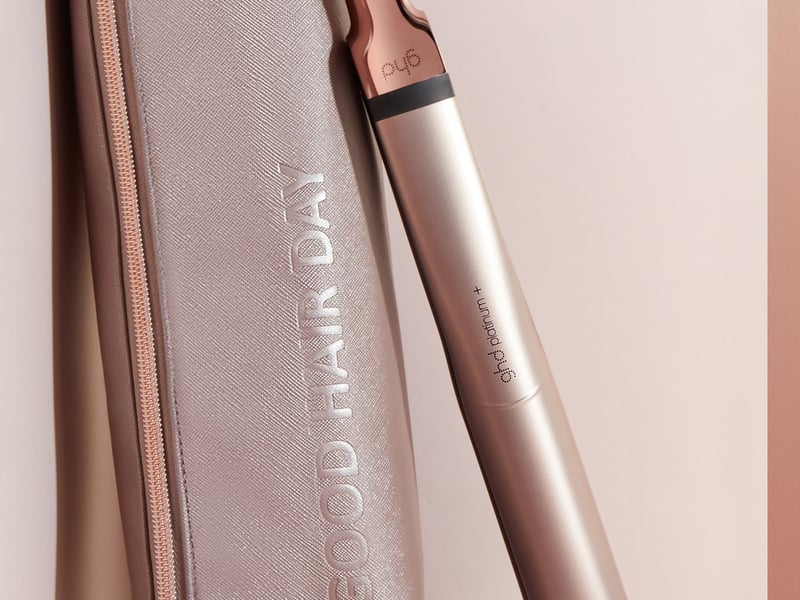
GHD Platinum+ Hair Straightener in Sun-Kissed Taupe, £239