


If you find yourself looking in the mirror at 3pm to find shiny and creased make-up, you’re not alone.
Preserving your make-up for a long day at work or a night out on the town is crucial, but easier said than done.
We hear from industry leading make-up artists on how to ensure your look lasts all day long.
1. Find the root of the problem
Make-up can crease “due to a mix of skin type, product type and application technique – often in areas with lots of movement such as the eyes, mouth and forehead,” explains professional make-up artist and co-founder of Ella & Jo, Charlene Flanagan.
“When skin is too dry, make-up can sit on top of fine lines and emphasise them, proper hydration and priming are essential to smooth out skin and create a better base.
“Make-up can also crease due to using incorrect skincare products under make-up or having too many layers of products on the skin,” says Flanagan.
2. Use the right tools
Tools have as much of an impact – if not more – on your make-up finish than the actual products you use.
“Brushes offer more precision and are ideal for applying powder products or blending around areas with fine lines, such as under the eyes or around the mouth.
“Using fingers, however, warms the product, which helps it blend smoothly and meld into the skin’s natural texture. This can be helpful for certain cream or gel formulas, particularly for eyeshadow or concealer.
“But fingers can also apply too much product if not used carefully, and they may not give as even a finish as a sponge or brush would,” says Walker.
Real Techniques Miracle Complexion Sponge, £5.24 (was £6.99), Look Fantastic
3. Ensure your tools are clean
Whilst using the correct tool is important when it comes to preventing creases, the condition of it is just as crucial.
“Similarly, the oils that get caught up in the brushes will cause make-up to slip and crease,” Moffatt explains.
Iso Clean Make-up Brush Cleaner with Spray Top, £8
4. Check the ingredients
Ingredients vary widely in make-up, often those offering a ‘luminous’ finish will be more likely to crease due to its formula.
“Emollients like oils give products a smooth texture and moisturising feel but can also break down more quickly. This breakdown leads to creasing as the product slips into fine lines or folds.”
The Ordinary High-Adherence Silicone Primer – 30ml, £6, Look Fantastic
5. Prep the skin correctly
Skin preparation is the make or break for creased make-up.
“Applying make-up on dry or textured skin without using a moisturiser or primer can lead to uneven application, which makes creasing more likely,” explains Walker.
Dermatology M Nourishing Cream – 50ml, £42
6. Apply in the right order
From your skincare to your setting powder, applying your products as sheer as possible is essential to prevent caking and creasing.
“Start with a good skincare routine, use a primer that suits your skin type, and apply make-up in thin layers, setting each layer as you go,” says Walker.
Flanagan suggests prioritising your thinnest textures such as skin tints, blushers and bronzers and only using thick textures, such as foundations and concealers, in the areas you need.
Sculpted by Aimee HydraTint – Moisturising Tinted Serum, £23
7. How to apply powder and set your make-up
When it comes to powder, you should only be using one powder product on each area of your face.
When you layer powders (such as a setting powder over a powder bronzer or blush) they settle in fine lines and when mixed with facial oils, will create visible creasing.
“Ingredients like talc or silica are common in setting powders and mattifying products because they absorb excess oil and moisture that can cause creasing,” says Walker.
1.
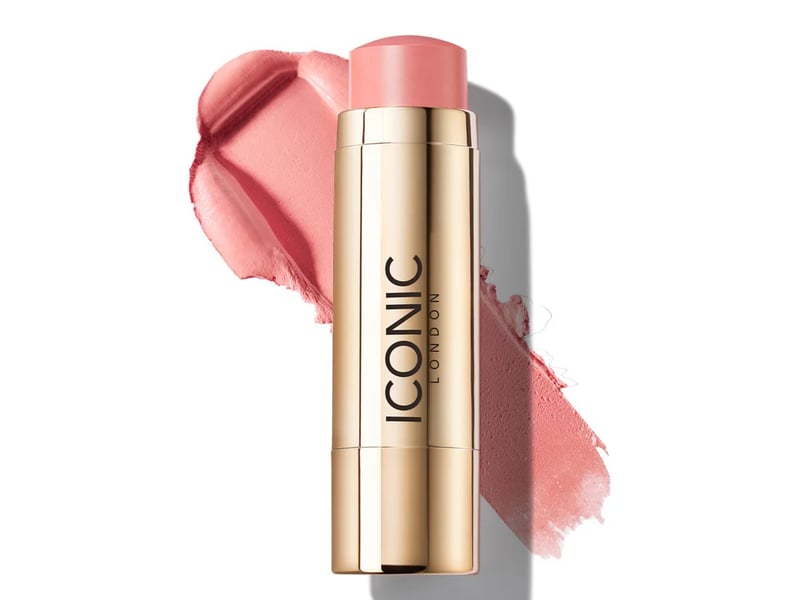
Iconic London Blurring Blush Stick, £17.25 (was £23)