
9 effective ways to reduce the risk of falls at home
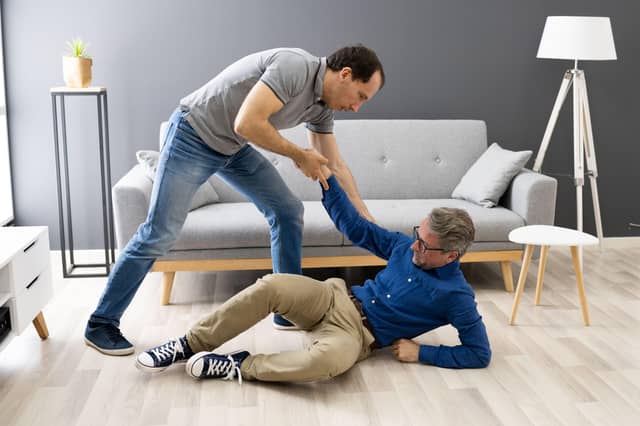

An AI platform designed to reduce hospital admissions by predicting when elderly individuals are at risk of falling or becoming ill at home is set to be introduced nationwide.
Developed by private company Cera, which provides social care for the NHS and local authorities, pilot tests of the technology revealed it can predict falls with 97% accuracy.
The Fall Prevention AI platform analyses data logged by carers through a smartphone app to assess a patient’s fall risk.
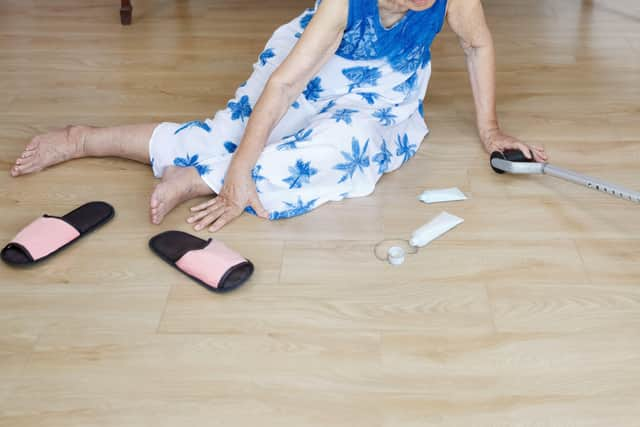
The goal is to prevent up to 250,000 falls annually, which is the equivalent of 675 falls per day.
Since falls at home are a leading cause of injury among older adults, prevention is crucial.
From making adjustments to your living environment to staying active and using the right tools, here are several effective strategies to reduce fall risk at home…
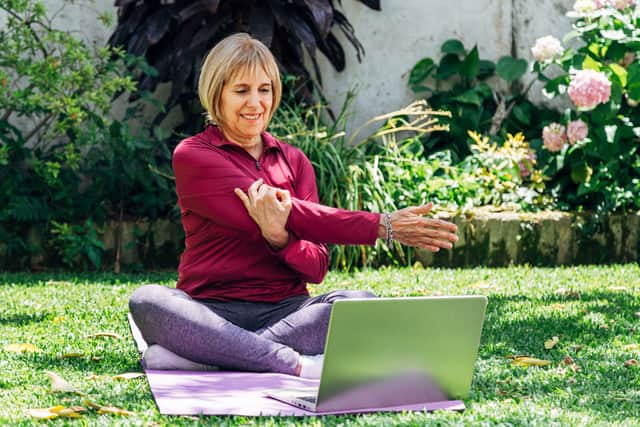
“Keeping active really helps,” says Samantha Shann, occupational therapist at Oak Tree Mobility. “Gentle, regular movement improves balance, develops muscle strength, improves stamina, and your tolerance to exercise.”
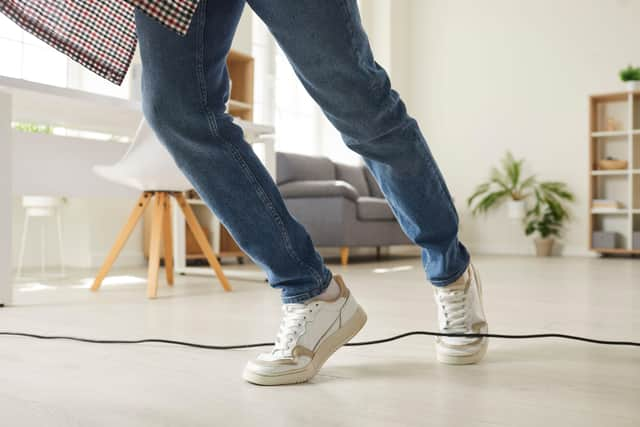
“You can also make changes to your environment, like ensuring hallways and routes between rooms are tidy, well-lit, and easy to navigate,” suggests Shann.
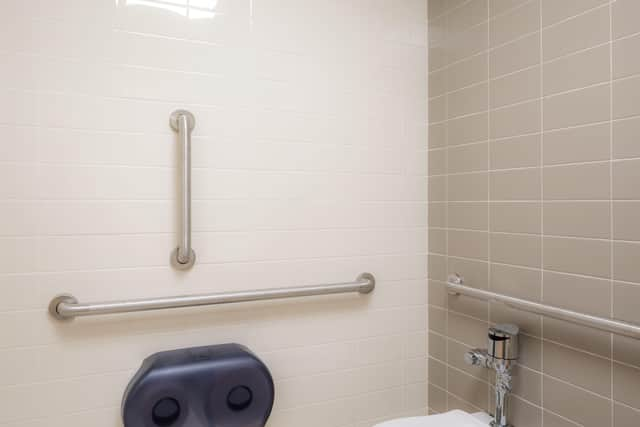
“There will be areas where we may be more at risk of slips, trips or falls, so rather than avoiding these areas, we can look to make them safer,” says Shann. “Grab handles placed by porch steps or in the shower can offer support to steady your balance when accessing your home or the bathroom.”
4. Consider a rise and recline chair
“If you are worried about falling when getting up and moving about, furniture such as rise and recline chairs can make it easier to transfer from sitting to standing and vice versa,” says Shann. “The mechanics of rise and recline chairs also aid you in standing at a slow and comfortable pace.”
5. Light up your hallways
“Install good lighting throughout your home, especially the stair and hallways,” advises Kate Sheehan, occupational therapist at Stannah. “Low-level nightlights on your route to the bathroom are also a good idea.”
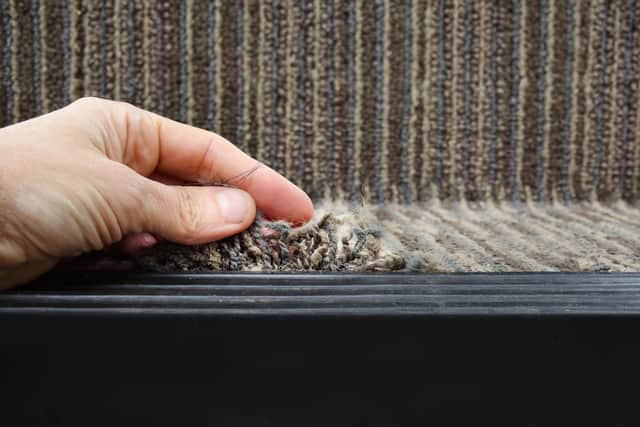
Rugs can lead to falls because they can easily slip or bunch up underfoot, creating a tripping hazard.
“Remove rugs and repair all loose carpets,” suggests Sheehan.
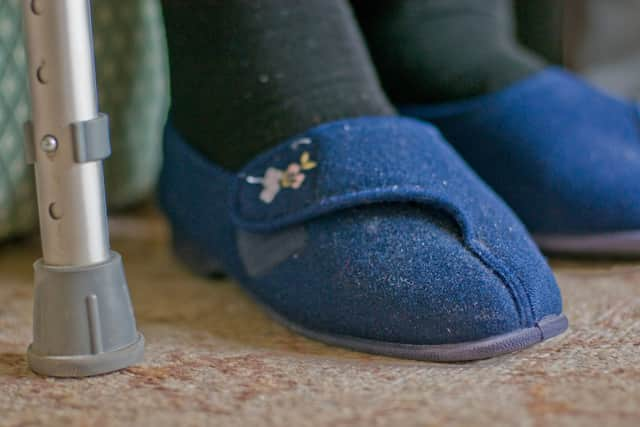
“Having well-fitting slippers with slip-resistant soles will assist in reducing falls risk,” says Sheehan. “Never walk around in tights or socks as they are slippery and can cause an unexpected fall, especially on wooden or vinyl flooring.”
8. Buy some slip-resistant mats
“Use slip-resistant mats in the bath and shower,” recommends Sheehan. They significantly decrease the risk of falls, as they provide added traction on a wet surface, which is a major contributor to slips and accidents in the bathroom.
9. Install two banister rails on the staircase
“Make sure your staircases have two banister rails on them to provide support when using them,” says Sheehan. “Never carry items in one hand – if you need to take items upstairs use a rucksack.”